Technical Features

    January 2025
    Transformer Design Comparisons for Mitigating EMI in Gate Driver Circuits

    Click image to enlarge

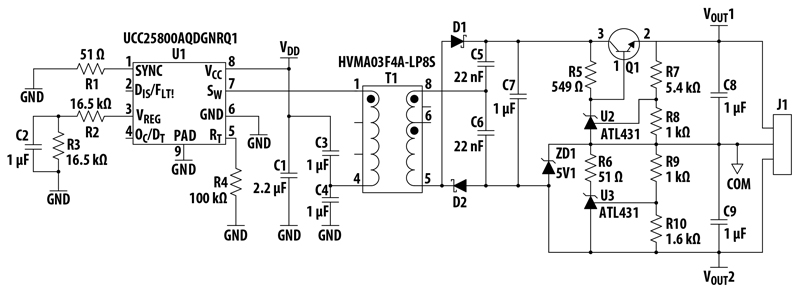
    Figure 1: Gate driver circuit diagram with a Bourns transformer
    While gate driver-based converters deliver improved efficiency, speed and signal integrity, their high frequency switching features can produce elevated levels of conducted electromagnetic interference (EMI), posing challenges to electromagnetic compatibility (EMC) and overall system reliability. To solve this
    Date:
    03/29/2026
    The Evolution of Automotive Ultrasonic Sensors: From ADAS to Autonomous Driving and Beyond

    Click image to enlarge

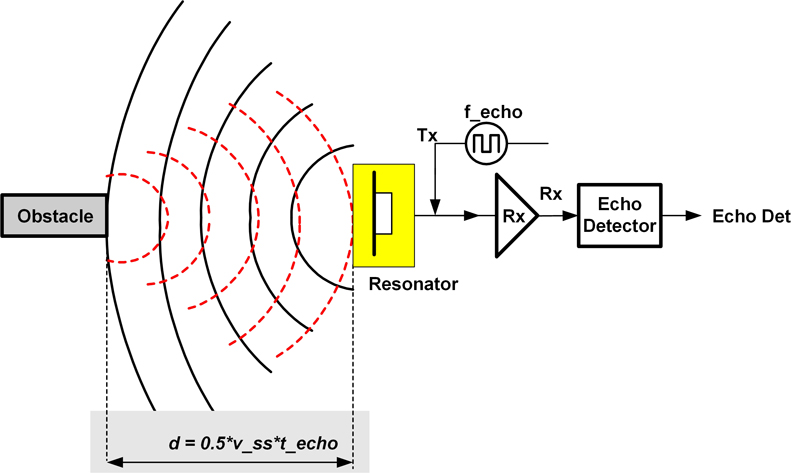
    Figure 1: Reflected waves allow the detection of partially visible objects (Source: onsemi)
    For vehicles to sense their surroundings, one of the longest established methods is ultrasonic sensing. Initially used for park assist to detect nearby objects while parking, these versatile sensors have evolved into many advanced driver assistance systems (ADAS) applications such as blind spot detection, lane cha
    . . . Learn More
    Date:
    01/31/2025
    Enhancing Speed and Efficiency for High Transient Automotive Applications

    Click image to enlarge

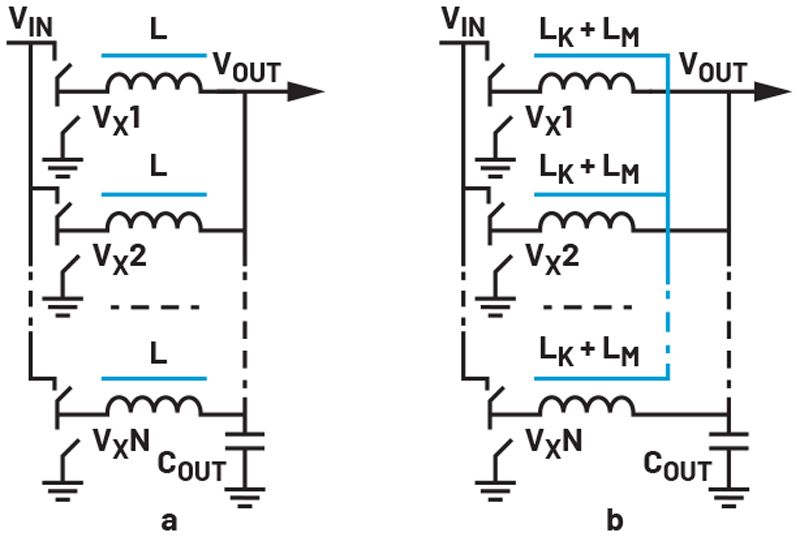
    Figure 1: Multiphase buck converter with (a) discrete inductors and (b) coupled inductors

    ­High current, low voltage applications frequently employ a multiphase buck converter topology for the voltage step down. This multiphase buck can utilize traditional discrete inductors (DL), as shown in Figure 1a, or coupled inductors (CL), as depicted in Figure 1b. In the case of CL, the windings are magnetically co
    . . . Learn More
    Date:
    01/01/2025
    Automotive-Qualified DFN Packages

    Click image to enlarge

    Figure 1: DFN packages are assembled on NSMD pads to ensure the solder can run up the side flanks, in contrast to standard SO-IC packages, which are assembled on SMD pads
    ­DFN packages offer high power densities and excellent thermal properties thanks to an exposed heat sink and optimized heat path. Side-wettable flanks also enable the automated optical inspection required in the automotive industry. Dual flat no-lead (DFN) packages are designed for harsh environments, offering
    . . . Learn More
    Date:
    01/01/2025
    Ethernet Rises to Automotive Deadline Challenges

    Click image to enlarge

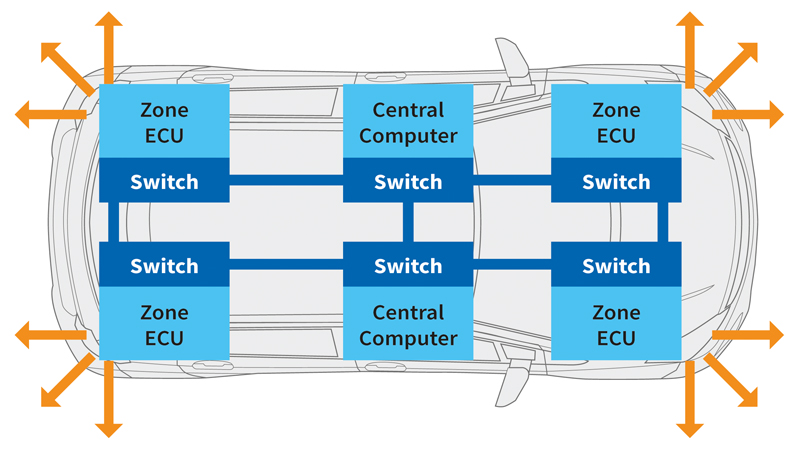
    Figure 1: In a zonal architecture, the majority of the processing is carried out by central computers, or High-Performance Controllers (HPCs), which are connected through multi-gigabit automotive Ethernet to zone Electronic Control Units (ECUs)
    ­The automotive sector is seeing a major shift in the computing architecture used in vehicles. This shift has major implications for the networking techniques OEMs use to coordinate the many different functions that require software control. Manufacturers are deploying more advanced microprocessors to artifi
    . . . Learn More
    Date:
    01/01/2025
    EMI/RFI Filters for Fast DC EV Charging Stations

    Click image to enlarge

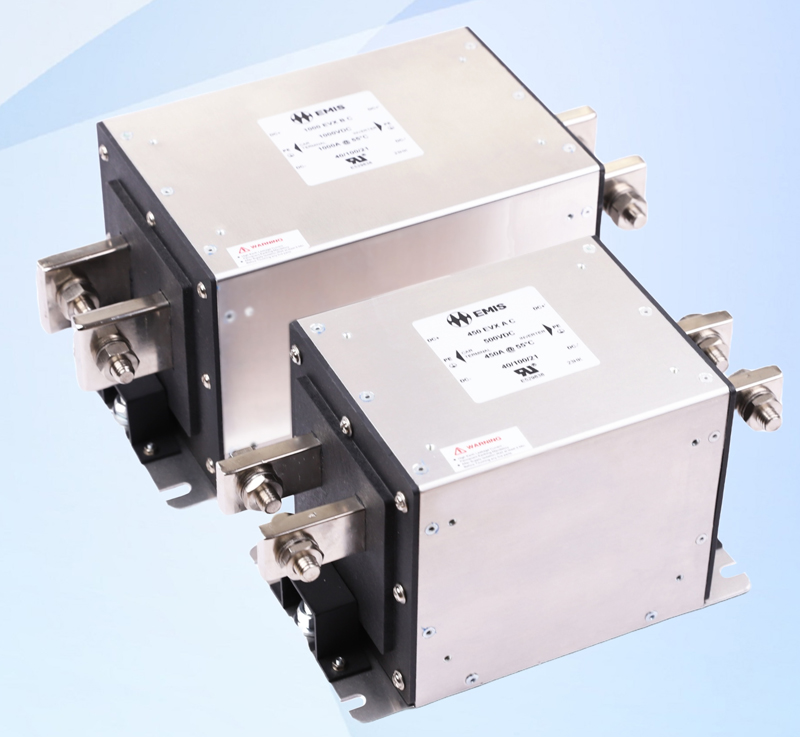
    Figure 1: DC EMI Filter for EV Charging Stations

    ­As more people adopt EVs, the need for efficient and accessible charging infrastructure has grown. Early slow chargers, which required long wait times, are being replaced by fast charging stations that offer quicker charging times and enhanced efficiency, contributing to greater EV adoption. Smart DC fast c
    . . . Learn More
    Date:
    01/01/2025
    Ensure Robust, Reliable Controllers and Powertrains in the Next Generation Automotive Control Architecture

    Click image to enlarge

    Figure 1: Evolution of automotive control architectures
    ­An electronic control unit (ECU) manages each vehicle function, and their numbers are rising with the growth in features. High-end vehicles can now contain up to 150 ECUs, which are critical for communicating information and responding to the main control system. Automotive control architectures Automotive control architectures are evolvin
    . . . Learn More
    Date:
    01/01/2025
    Data Center Power Demands Call for Safer GaN Gates

    Click image to enlarge

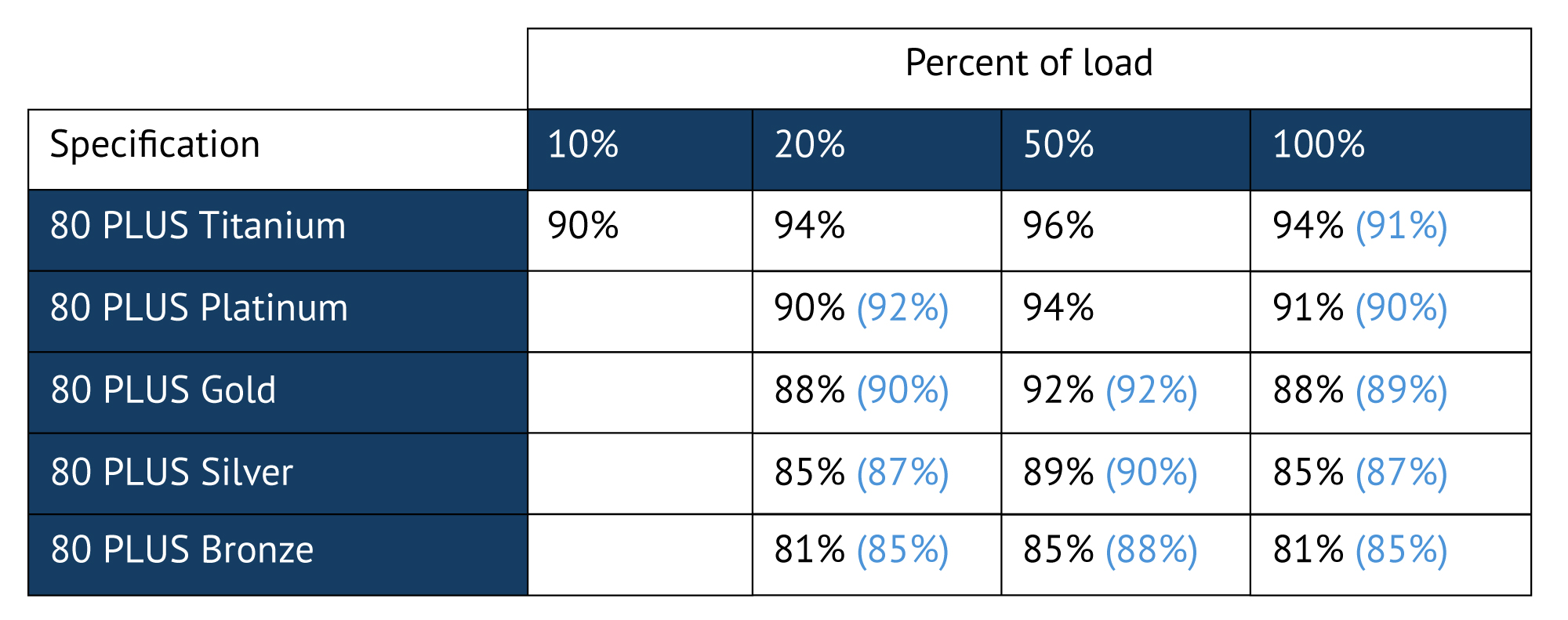
    Figure 1: 80 PLUS efficiency specifications at 230 V internal input, with any differences in the 230 V EU specification shown in blue

    ­The rise of AI is leading to ever bigger data centers and causing greater demands on the power network. As an example, the United States expects the share of power consumed by these data centers to be 8 percent of total power generated by the end of the decade – a 3-fold increase versus 2022. This increase
    . . . Learn More
    Date:
    01/01/2025
    Beyond the Shelter: Ensuring Reliable Power in Extreme Conditions

    Click image to enlarge

    Figure 1: When designing remote systems used in harsh environments, available power must be both reliable and sustainable to ensure consistent operation
    ­In many critical field operations, reliable power is not merely a convenience—it's a lifeline. Engineers tasked with designing and deploying equipment in remote and challenging environments face a unique set of obstacles. Whether it’s for directional radio systems, emergency response communication setups, or
    . . . Learn More
    Date:
    01/01/2025
    How Silicon Carbide Power Semiconductors Keep Getting Better

    Click image to enlarge

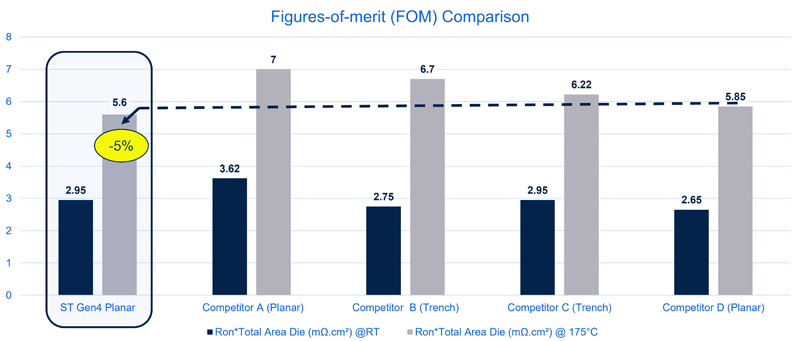
    Figure 1: On resistance x die area FoM at room temperature and 175°C
    ­The strengths of silicon carbide fit well with the goals of automotive electrification, enabling greater energy efficiency and relieving thermal management challenges in traction inverters, on-board chargers, DC/DC converters, and mechatronic modules. However, automotive markets always demand greater reliabilit
    . . . Learn More
    Date:
    01/01/2025
    Archive

    Transformer Design Comparisons for Mitigating EMI in Gate Driver Circuits

    Mar 29,2026
    Matthew Russell, Master’s student at University College Cork, and a student engineer at Bourns Electronics Ireland

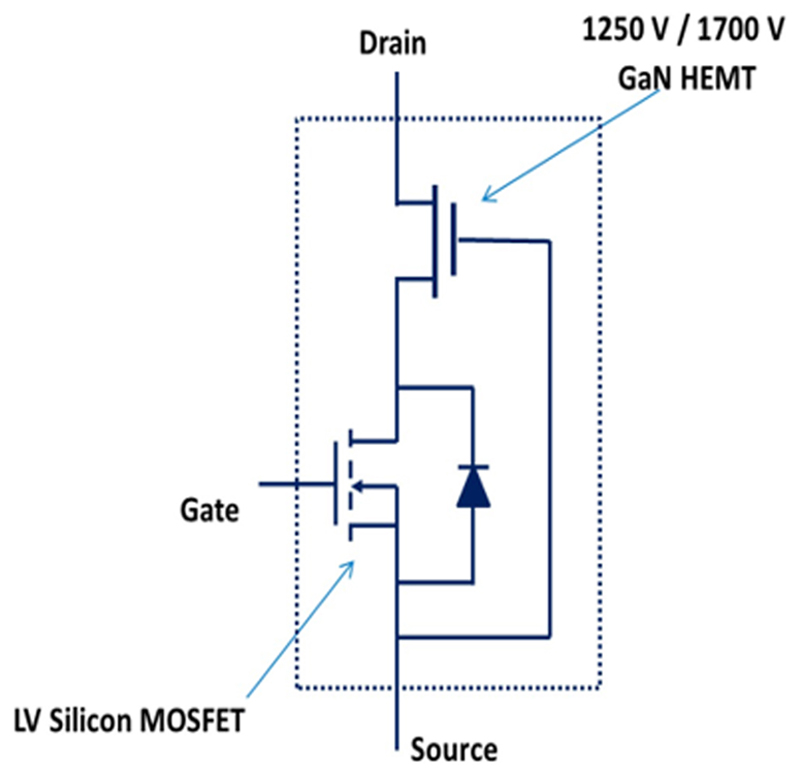
    1250 V/1700 V GaN HEMTs for NVIDIA 800 VDC Architecture

    Jan 31,2026
    Kamal Varadarajan & Chris Lee, Power Integrations

    Future-Proof Automotive High-Voltage-to-SELV Conversion

    Dec 30,2025
    Greg Green, Director of Automotive Marketing, Vicor

    Power Systems Design

    146 Charles Street
    Annapolis, Maryland 21401 USA

    Power Systems Design

    Power Systems Design is a leading global media platform serving the power electronics design engineering community. It delivers in-depth technical content, industry news, and product insights to engineers and decision-makers developing advanced power systems and technologies.

    Published 12× per year across North America and Europe, Power Systems Design is distributed through online and fully digital editions, complemented by eNewsletters, webinars, and multimedia content. The platform covers key areas including power conversion, semiconductors, renewable energy, automotive electrification, AI power systems, and industrial applications—supporting innovation across the global electronics industry.