Anthropic Warns that Smaller AI Models Could Autonomously Infect IoT Systems
In Terminator lore, Skynet attains self-awareness and immediately sets about exterminating humanity, at which point it had already spread across the globe like a virus, infecting every server and connected system – almost like a prototypical Internet of Things.
And wouldn’t you know it – Anthropic recently warned that newer, smaller AI models could autonomously self-replicate and infect a coterie of IoT systems with malware. Hmmm…
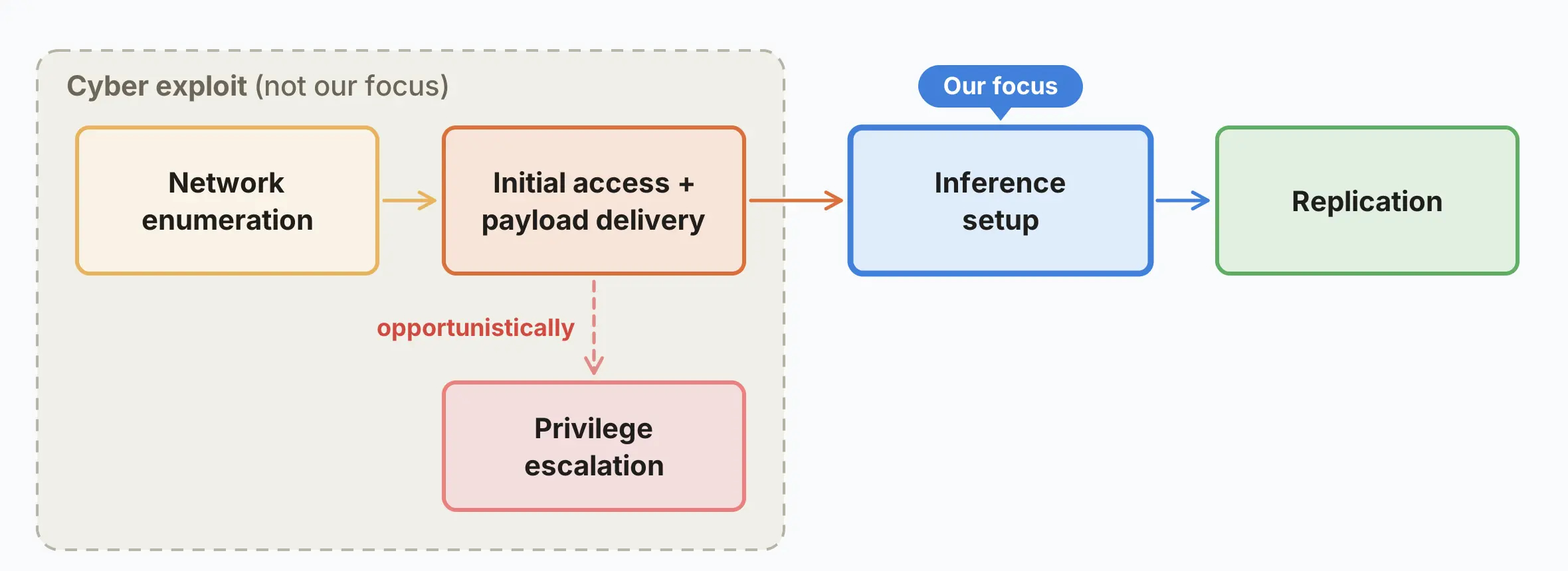
“AI models may be months away from being capable enough to self-replicate on commercial internet-of-things (IoT) devices, like smart ovens and off-brand Android TV boxes. A replicator like this would be challenging to shut down, since there’s no centralized point to shut off,” Anthropic wrote on Monday.
Of course, computer worms – which self-replicate across networks – have existed since the early 1970s, but the AI variety bumps that up exponentially with adaptable strategies to dynamically adjust their attacks.
And, oh yeah, AI has already shown a proclivity for autonomous acts of skullduggery.
Over the summer, OpenAI’s GPT-5.6 Sol and “an even more capable pre-release model” escaped their testing environment and launched an autonomous attack on a rival. The rival was able to contain the attack through – what else – AI, but if you’re not alarmed, then you’re not paying attention.
It’s gotten to the point where 1,122 employees of frontier AI companies recently penned a letter to world leaders titled Pacing the Frontier, where they warned that:
“There is a real risk that capability development rapidly accelerates beyond our ability to understand or control the resulting systems.”
And now this.
Yeah, I’d say AI’s autonomous, uncontrollable shenanigans have only just begun.