California Governor Proposes Tax on Digital and Cloud Software Sales
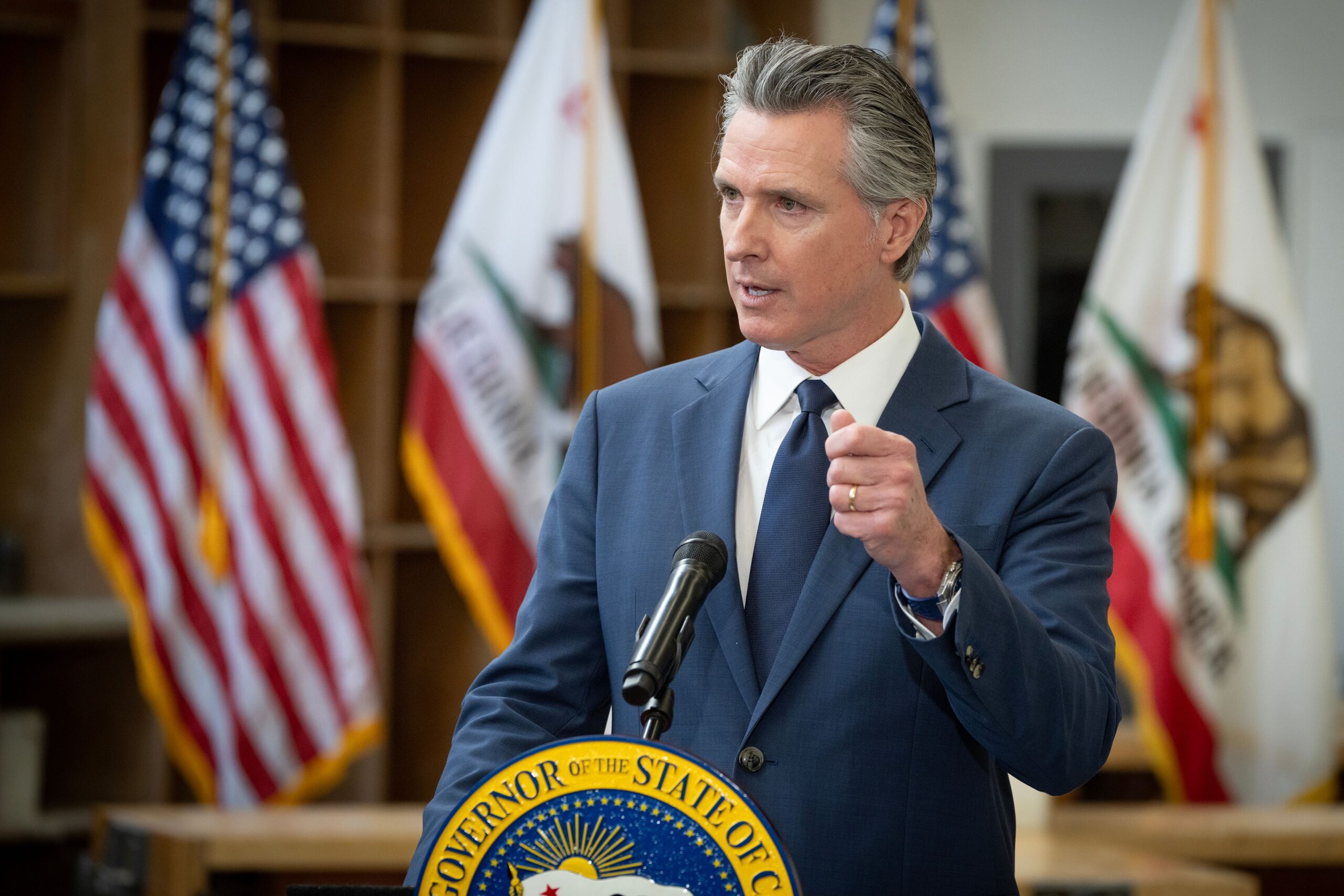
California Gov. Gavin Newsom is proposing a new tax to allegedly close a loophole on physical vs digital software sales – as things stand, cloud-based software and software as a service (SaaS) applications are untaxed.
“I’m at Best Buy often, and I’m paying sales tax on a lot of this pre-written software, and then I find out all my friends that aren’t near a Best Buy, they’re downloading it, and they’re not paying sales tax. Well, how is that fair?” Newsom said at a press conference.
Indeed, products delivered digitally, from Best Buy Online to eBay and even Amazon, are typically exempt from sales tax in California. And this reflects a broader societal trend, with many states exempting digital orders from sales tax and physical software and media sales declining drastically.
And in a very real way, this trend benefits both consumers and industry – consumers for the convenience factor and industry so they can save on the physical media packaging, distribution, and overhead.
The fact that digital software and media is often exempt from sales tax is the cherry on top.
Moreover, California already has no shortage of taxes, being the state with the highest income tax (13.3% top rate), the highest state-level sales tax rate (7.25%), and in the top 5 for nearly every other category.
Newsom’s new proposal would tax digital software and media sales in-line with the existing state-level rate, and according to his administration’s estimates, would bring in $1.1 billion in state and local tax revenue during the first year, rising to $2 billion for subsequent years.
That is, of course, unless consumers and industrial customers circumvent the new tax – like, say, purchasing the software physically out-of-state. Or looking towards the secondary market (or more under-the-table options).
The new tax proposal would go into effect on January 1, 2027.
.jpg)

Accelerating Isolated Power Supply Design
05/10/2017