Charging Electric Vehicles On the Go
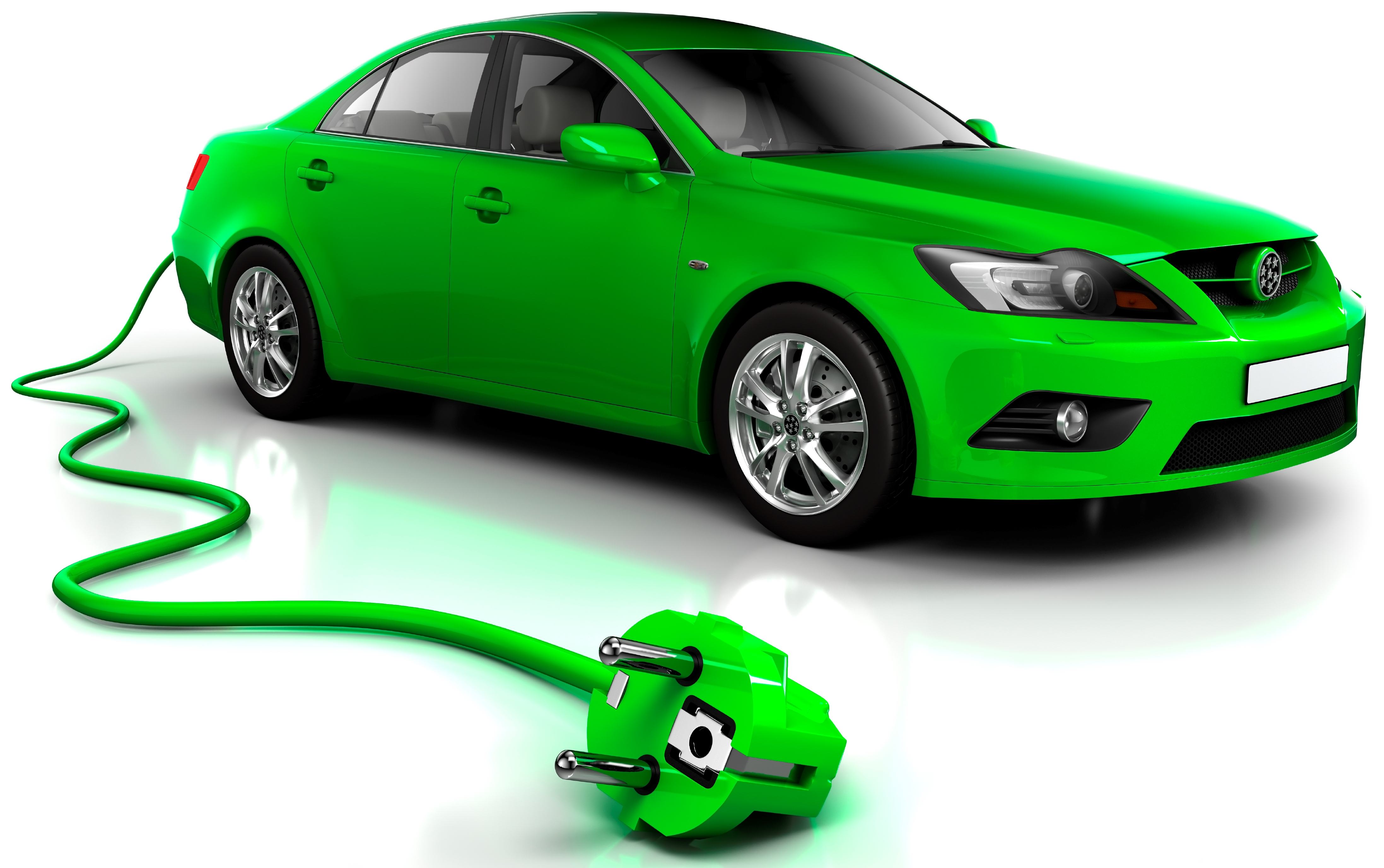
The University of Colorado at Boulder has a fascinating piece about wireless power transfer for electric vehicles. And while the idea isn’t new, it could affect the mainstream viability of EVs.
We’ve spilled a lot of digital ink on wireless power, and while the tech hasn’t fully matured, it should have a profound effect on the industry. Over-the-air, RF-based wireless power should accommodate small electronics, but the true test is the automotive space.
CU Boulder’s Trent Knoss lays out the stakes rather succinctly:
“Electric vehicles may one day be able to recharge while driving down the highway, drawing wireless power directly from plates installed in the road that would make it possible to drive hundreds—if not thousands—of miles without having to plug in,” he said.
The country is scrambling to erect a nationwide system of recharge stations, but they might be inadequate. Dedicated recharge stations – or even upgrades to existing rest stops and gas stations – are pricy, and compared to internal combustion engines, EVs take awhile to “refuel.”
According to Dr. Richard Sassoon, of Stanford University, EVs suffer from a short range and “the lack of a sufficient charging infrastructure … even if you can charge, it takes a long time to charge – several hours. That means you’re going to have to take a break in your trip in order to charge your vehicle.”
Dr. Sassoon has tinkered with the idea of wireless charging highways, which use “magnetic resonance coupling” and other inductive techniques to recharge EVs on the go.
Similarly, Khurram Afridi, an assistant professor at CU Boulder, believes that EVs could draw wireless power directly from plates installed in the road. It would be similar to a carpool lane.
“On a highway, you could have one lane dedicated to charging,” Afridi said.
EVs in motion require tens of kilowatts of power, which presents a difficult challenge. Afridi believes the solution won’t involve magnetic fields or inductance but electrical fields, which travel in relatively straight lines.
Read more about Afridi’s research here: https://www.colorado.edu/today/2018/03/27/future-electric-cars-could-recharge-wirelessly-while-you-drive
.jpg)
Accelerating Isolated Power Supply Design
05/10/2017