Current Editor Blogs
    Chinese Researchers Develop Method to Extract Nearly 100% of Critical Materials in Used Li-Ion Batteries
    Chinese Researchers Develop Method to Extract Nearly 100% of Critical Materials in Used Li-Ion Batteries

    Chinese Researchers Develop Method to Extract Nearly 100% of Critical Materials in Used Li-Ion Batteries

    03/24/2025
    Jason Lomberg, North American Editor, PSD
    Tag: #china #batteries #lithiumionbatteries #powerelectronics

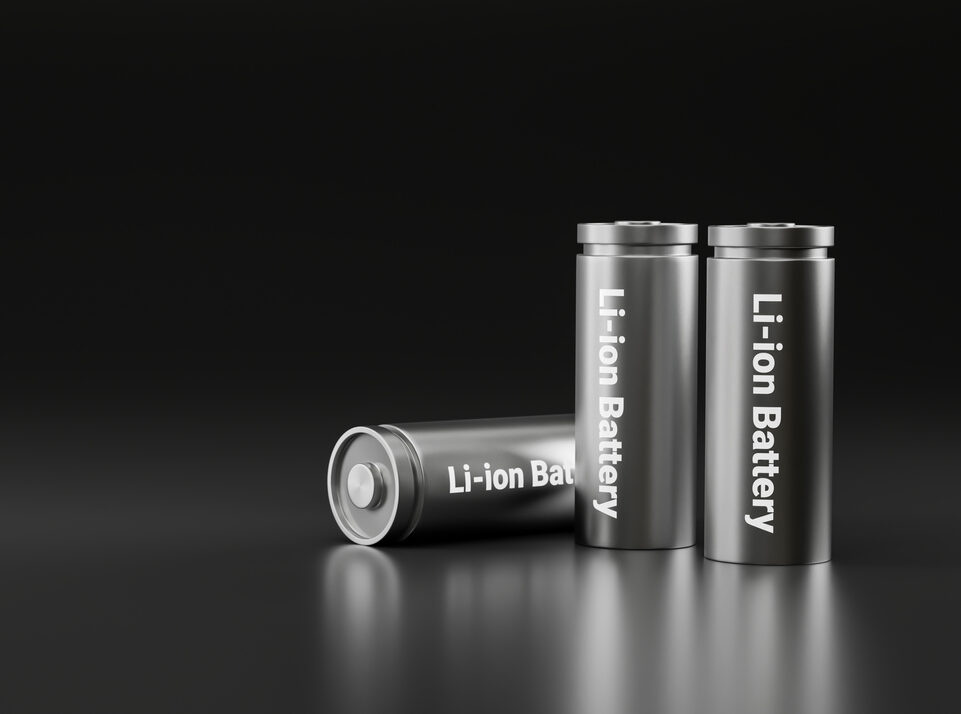
    ­Chinese researchers have developed a method to recover 99.99 per cent of the lithium, 96.8% of the nickel, 92.35% of the cobalt and 90.59% of the manganese in spent lithium-ion batteries.

    The key to extracting these critical minerals is apparently the use of an amino acid – glycine, specifically – which alleviates the need for harsh chemicals in the recycling process along with the creation of toxic byproducts.

    This comes at a crucial time – with the explosion of portable electronics and EVs (and the latter slowly taking over global fleets), lithium-ion batteries are more ubiquitous than ever before. The worldwide market is worth around $60 billion and one estimate predicts it’ll top $300 billion by 2030.

    Current recycling methods introduce a number of issues – pyrometallurgy requires temperatures exceeding 1,000 °C, making it an energy hog, while hydrometallurgy – which works at temperatures < 200 °C, with material recovery rates of up to 93% for lithium, nickel and cobalt – still produces a ton of wastewater.

    With this new process, micro batteries break down the lithium, nickel, cobalt and manganese, while glycine extracts the metals.

    In a study entitled “A Green and Efficient Recycling Strategy for Spent Lithium-Ion Batteries in Neutral Solution Environment,” researchers noted that “This green and efficient strategy in neutral solution environment opens a new pathway to realize the large-scale pollution-free recycling of spent batteries.”

    It achieves “ultrafast efficiency with reduced chemical consumption and corrosive wastewater, thus providing a promising and economic pathway for the battery recycling.”

    Be sure to check out the study!
    Recent
    Battery Life: How Can We Get More from Each Charge?

    Battery Life: How Can We Get More from Each Charge?

    04/12/2017
    Meng He, Executive Business Manager, Core Product Group, Maxim Integrated
     Creating Smaller, More Efficient Isolated Power Supplies with Iso-Buck Converters

    Creating Smaller, More Efficient Isolated Power Supplies with Iso-Buck Converters

    04/17/2017
    Reno Rossetti, Principal Technical Writer, Maxim Integrated
    Accelerating Isolated Power Supply Design

    Accelerating Isolated Power Supply Design

    05/10/2017
    Reno Rossetti, PhD, EE, Maxim Integrated
    The Pope Receives his First Electric Car

    The Pope Receives his First Electric Car

    06/02/2017
    Jason Lomberg, Editor, North America, PSD

    Power Systems Design

    146 Charles Street
    Annapolis, Maryland 21401 USA

    Power Systems Design

    Power Systems Design is a leading global media platform serving the power electronics design engineering community. It delivers in-depth technical content, industry news, and product insights to engineers and decision-makers developing advanced power systems and technologies.

    Published 12× per year across North America and Europe, Power Systems Design is distributed through online and fully digital editions, complemented by eNewsletters, webinars, and multimedia content. The platform covers key areas including power conversion, semiconductors, renewable energy, automotive electrification, AI power systems, and industrial applications—supporting innovation across the global electronics industry.