Consumer Confidence in EV Charging Infrastructure at All-Time Low
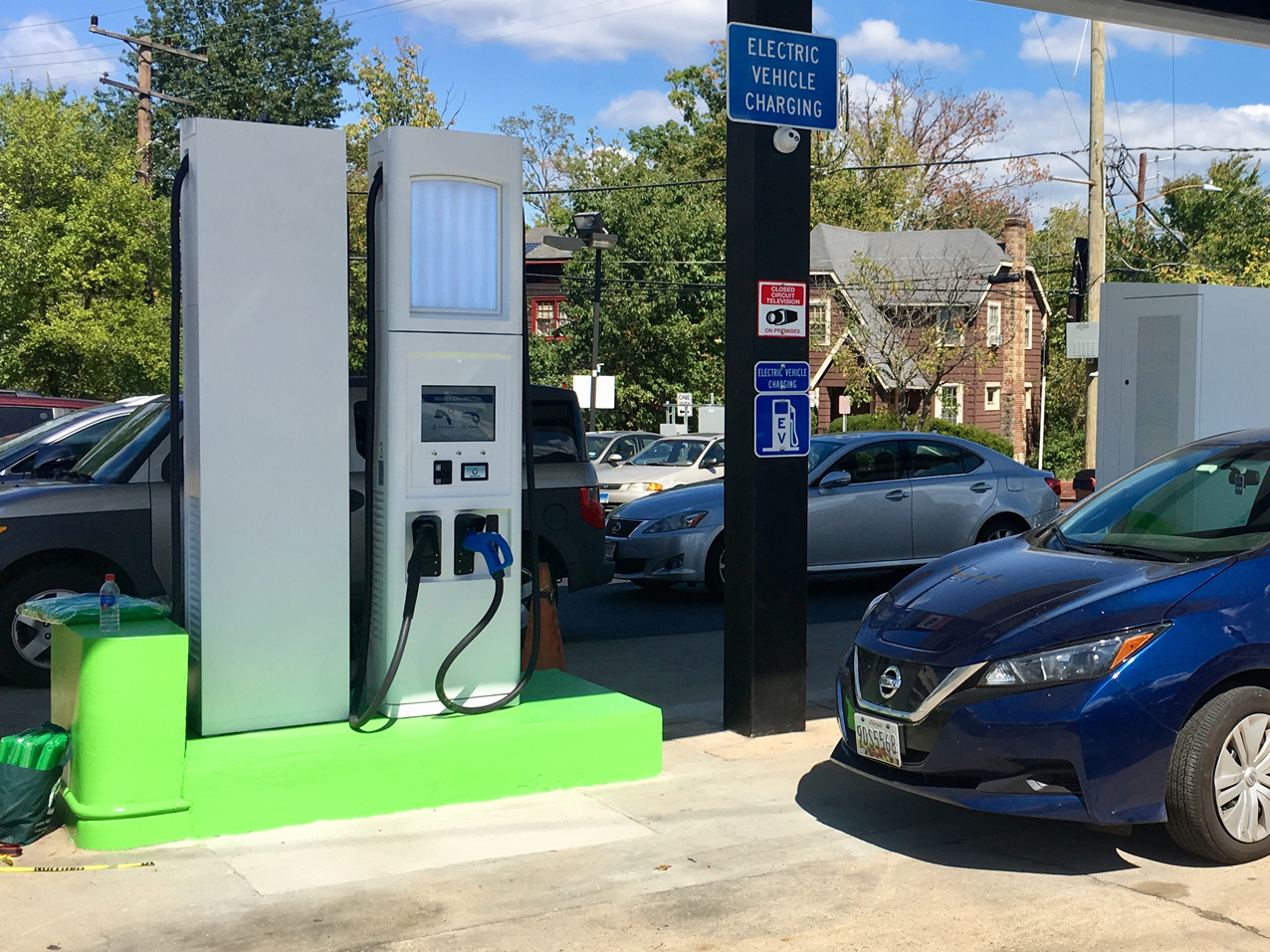
No matter how advanced the EVs on the road, if customers lack confidence in any aspect of them, and since EVs are still a niche, the effect is devastating.
Take, for example, a recent JD Power survey — on a 1,000-point scale, overall satisfaction with DC fast charging experiences was a comparatively paltry 654, while Level 2 charging stations produced a 617 score.
Objections are roundabout what you’d expect — unreliable equipment, long lines, and long waits even when they do plug in.
“The cost and speed of charging and the availability of things to do while waiting for their vehicle to charge are the least satisfying aspects,” said JD Power’s executive director of EV practice Brent Gruber.
Course, some of that boils down to the limitations of Level 2 charging, itself.
According to the Department of Transportation, with AC charging through 240V (in residential applications) or 208V (in commercial applications), Level 2 chargers can charge a BEV to 80% from empty in 4-10 hours and a PHEV in 1-2 hours.
That amounts to around 25 miles of range per hour, and it’s thus no surprise that the vast majority of Level 2 charging happens at home. But on the road, the process is slow and laborious.
To combat the tediousness, recharging stations are often placed near or in industrial parks or retail areas.
Otherwise, we’re talking about potentially long lines followed by an additional 20-30 minutes of recharge times.
According to the survey, 20% of respondents left a recharging station without adding any range to their EV at least once. Blame both poor equipment and the relative scarcity of recharging stations (leading to overcrowding).
DC fast chargers average around 100 miles-plus of range per hour, but they’re even rarer than Level 2 chargers.
And as you’d expect, Tesla, with its expansive DC fast-charging Supercharger network, earns the highest consumer ratings, landing at 745/1,000.
That’s partly because of how intuitive it is to find (and route yourself) to each Supercharger station. Filling up is quick and easy, and Tesla also provides streaming videos and games.
And if there’s a bright side, it’s that batteries and charging tech is constantly improving, and that plus the greater prevalence of charging stations should boost consumer confidence.
.jpg)
Accelerating Isolated Power Supply Design
05/10/2017