Editor Blogs

    GM Energy Announces Native Vehicle-to-Grid Support
    06/10/2026
    Jason Lomberg, North America Editor, PSD
    Tag: @gm #v2g #vehicletogrid #powerelectronics
    GM Energy Announces Native Vehicle-to-Grid Support
    GM Energy Announces Native Vehicle-to-Grid Support

    ­Electrifying the entire – or most of – the automotive fleet requires a number of factors working in concert. Obviously, a number of affordable EVs with high-density batteries, but also the accompanying infrastructure, ample education, and quite possibly, a huge number of EVs with bi-directional charging. GM is banking on the latter.

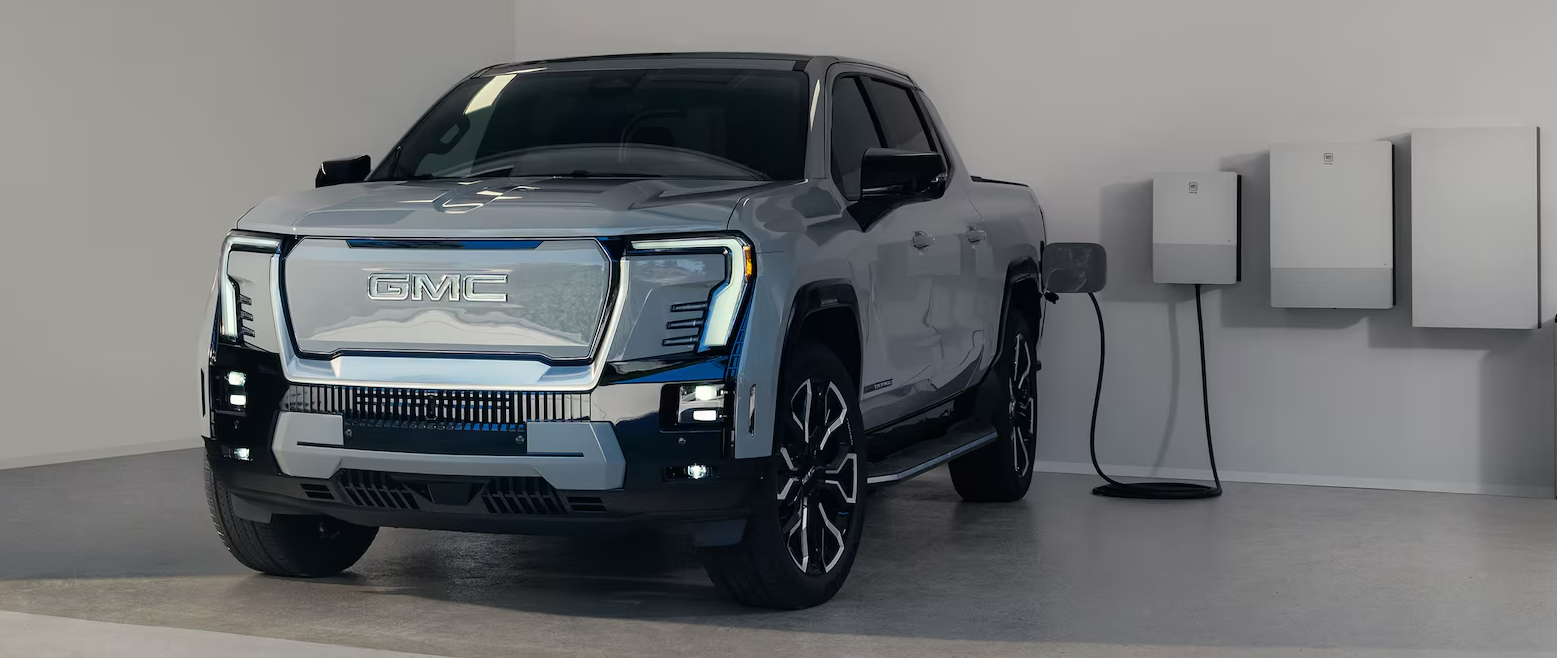
    The automotive goliath recently announced that GM Energy products now support vehicle-to-grid (V2G) (along with the customary vehicle-to-home), with 250,000 EVs already on the road that support bi-directional charging.

    I won’t explain bi-directional charging in detail – PSD’s audience likely knows more about it than I do – but what’s interesting is that GM has already secured the assistance of utilities partners PG&E in California and DTE Energy in Michigan.

    “I’m here to say, to set the record straight, our grid desperately needs EVs, particularly bi-directional EVs that we can optimize and contribute to the grid,” PG&E CEO Patti Poppe said.

    Indeed, the benefits could shift the entire energy paradigm.

    If PG&E and GM’s plan of introducing 52,000 bi-directional-ready vehicles to the utility’s operating area occurs by 2030, the accumulated energy could allegedly power every home in San Francisco for half a day (to say nothing of a potential hedge against frequent blackouts).

    Of course, to truly make a difference, every automaker and battery OEMs (plus utilities) need to abide by the ISO 15118-20 plug-and-charge standard and enable native V2G. But the savings are just waiting to be realized.

    “So we’re seeing every gigawatt that we can add to the grid will lower everybody’s rates 1 percent,” Poppe said.

    Recent
    Battery Life: How Can We Get More from Each Charge?

    Battery Life: How Can We Get More from Each Charge?

    04/12/2017
    Meng He, Executive Business Manager, Core Product Group, Maxim Integrated
     Creating Smaller, More Efficient Isolated Power Supplies with Iso-Buck Converters

    Creating Smaller, More Efficient Isolated Power Supplies with Iso-Buck Converters

    04/17/2017
    Reno Rossetti, Principal Technical Writer, Maxim Integrated
    Accelerating Isolated Power Supply Design

    Accelerating Isolated Power Supply Design

    05/10/2017

    Reno Rossetti, PhD, EE, Maxim Integrated
    The Pope Receives his First Electric Car

    The Pope Receives his First Electric Car

    06/02/2017
    Jason Lomberg, Editor, North America, PSD

    Power Systems Design

    146 Charles Street
    Annapolis, Maryland 21401 USA

    Power Systems Design

    Power Systems Design is a leading global media platform serving the power electronics design engineering community. It delivers in-depth technical content, industry news, and product insights to engineers and decision-makers developing advanced power systems and technologies.

    Published 12× per year across North America and Europe, Power Systems Design is distributed through online and fully digital editions, complemented by eNewsletters, webinars, and multimedia content. The platform covers key areas including power conversion, semiconductors, renewable energy, automotive electrification, AI power systems, and industrial applications—supporting innovation across the global electronics industry.