Japan Restarts its Largest Nuclear Power Plant Following Fukushima Disaster
The 2011 Tōhoku earthquake and tsunami and resulting Fukushima nuclear accident carried a catastrophic human cost, alongside the punishing economic damage, policy changes, and of course, a partial cessation of nuclear activity. 15 years later, the nation’s largest nuclear power plant is finally back to full operation, with the potential to change Japan’s energy mix.
Following the Fukushima disaster – which the UN Scientific Committee on the Effects of Atomic Radiation called “the largest civilian nuclear accident since Chernobyl” – numerous nuclear plants were partially or completely shut down, including Fukushima Daiichi (Units 1–6), Fukushima Daini (Units 1–4), Onagawa Nuclear Power Plant (Units 1–3), and Tokai Nuclear Power Station (Unit 2).
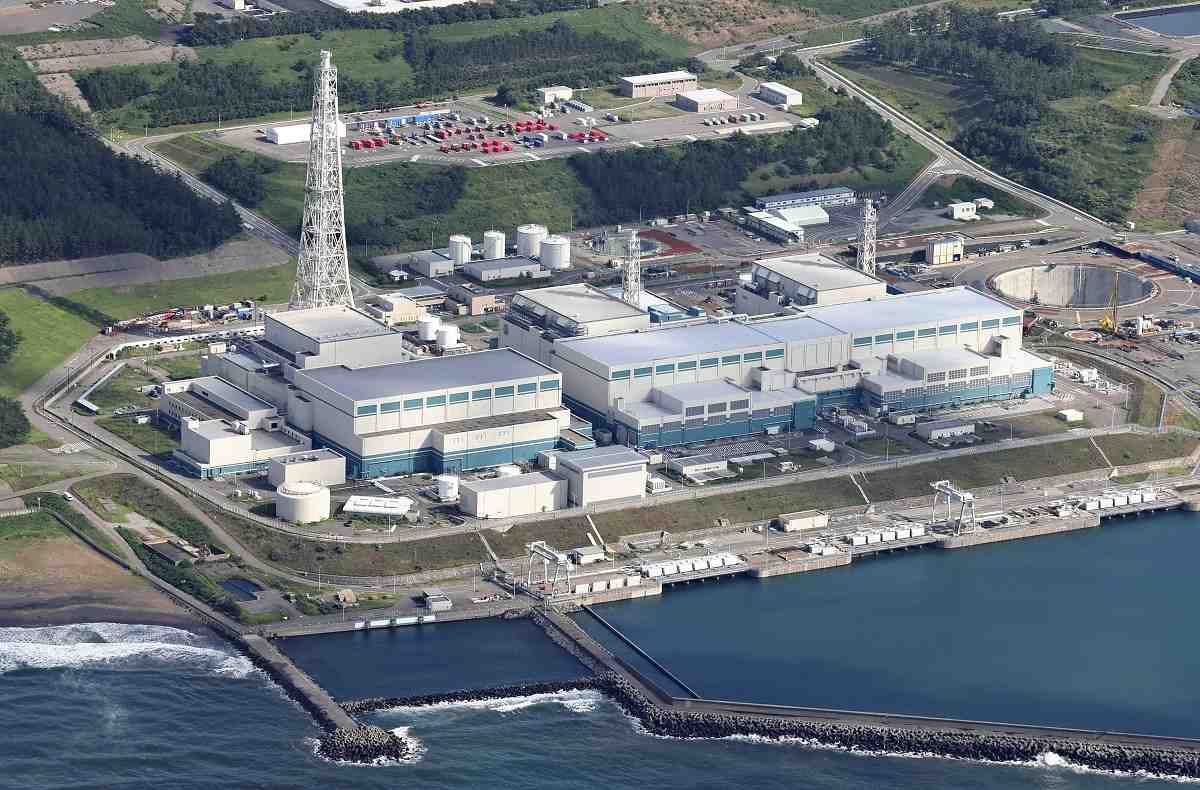
And though it wasn’t in the immediate tsunami zone, Japan’s largest nuclear plant, Kashiwazaki-Kariwa Nuclear Power Station in Niigata Prefecture, was also shut down. The loss of Kashiwazaki-Kariwa, alone, had a dramatic impact on Japan’s renewable power ambitions – in 2024, for instance, fossil sources (mainly natural gas) comprised 33% of all electricity generation, while nuclear provided about 83 terawatthours of electricity, or 9% of the total.
By contrast in 2010, the year before the Fukushima disaster, nuclear power equaled 26-30% of all electricity generation. In 2014, nuclear production in Japan stood at zero, and it’s climbed up very slowly since.
That said, on February 9, 2026, Japan restarted Unit 6 of the Kashiwazaki-Kariwa Nuclear Power Station, and that could singlehandedly shift the literal balance of power.
According to the U.S. Energy Information Administration (EIA), Unit 6’s 1,356 megawatts (MW) of installed capacity “could displace approximately 1.3 million tons of liquefied natural gas (LNG), or 62 billion cubic feet (Bcf) of natural gas imports annually.”
The EIA added that the restart gave Japan a total of 15 operating nuclear reactors, with a combined electricity generation capacity of 33 gigawatts (GW). And Kashiwazaki-Kariwa Unit 7 (1,356 MW) should restart sometime in the 2029–2030 range.
.jpg)
Accelerating Isolated Power Supply Design
05/10/2017