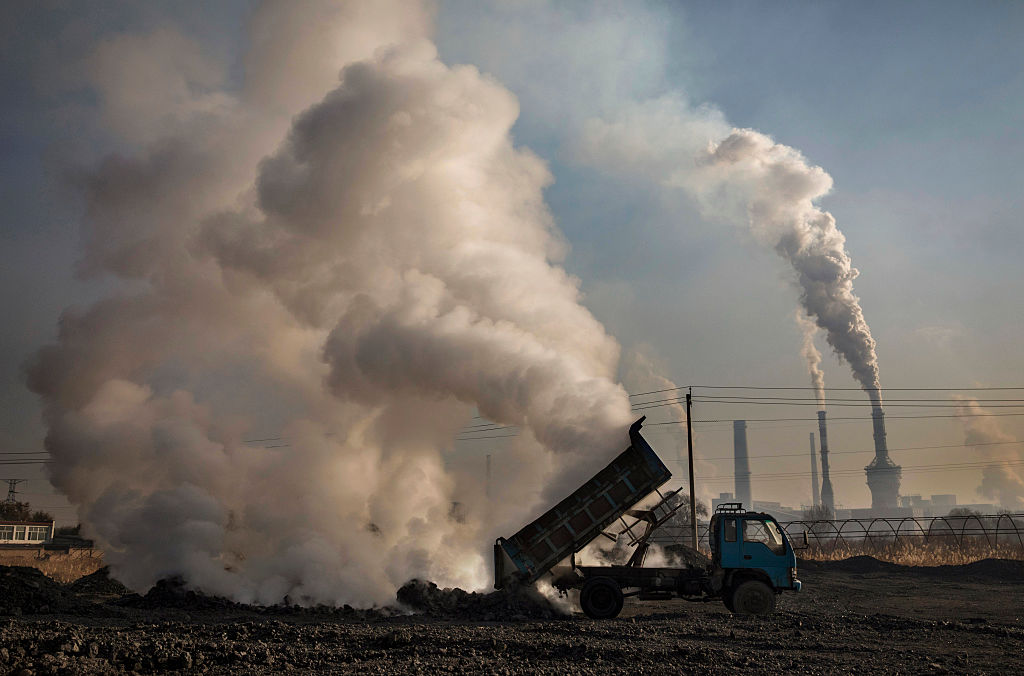
New EPA Standards Would Dramatically Cut Coal-Fired Power Plant Emissions

The dirty little secret of EVs is that all the extra electricity has to come from somewhere – and in nearly a fifth of all cases, that electricity comes from coal-fired power plants. What good is green energy if it’s partially – or fully – offset by the energy’s source?
And the EPA just passed new standards that could end this disparity between green energy and fossil fuel power plants.
EPA Administrator Michael S. Regan had previously assured industry stakeholders at CERAWeek 2022 that they’d provide “regulatory certainty,” since the inverse can sound the death knell for industry.
Though this particular “certainty” could cost the industry dearly.
As of 2022, and according to the EPA’s own figures, coal was the third-largest energy source for U.S. electricity generation, and at the very least, the EPA wants to clean up what accounts for 1/5 of all electricity.
To whit, all coal-fired plants that plan to run in the long-term (beyond 2039) and all new baseload gas-fired plants must control 90% of their carbon pollution. The standards also update the Mercury and Air Toxics Standards (MATS) for coal-fired power plants, tightening the emissions standard for toxic metals by 67%, along with a 70% reduction in the emissions standard for mercury from existing lignite-fired sources.
The rules would also reduce pollutants discharged through wastewater from coal-fired power plants by more than 660 million pounds per year.
“The new rules to clean up air pollution from power plants are good news for everyone, especially if there is a power plant near where you work, live or study.” said Harold Wimmer, President and CEO of the American Lung Association. “Burning fossil fuels in power plants harms people’s lungs, makes kids sick and accelerates the climate crisis. The stronger clean air and climate protections will save lives.”
On the other side, Rich Nolan, president and CEO of the National Mining Association, claimed that, “the EPA is systematically dismantling the reliability of the US electric grid”.
The Biden administration and EPA are “ignoring our energy reality and forcing the closure of well-operating coal plants that repeatedly come to the rescue during times of peak demand.”
That said, the EPA’s own press release “does not expect this rule to affect the current operations of power plants, and therefore anticipates no impacts to electricity generation or grid reliability.”