OpenAI Warns that its AI Agents Have Targeted Government, Universities, and More
AI is in the news again for all the wrong reasons. Turns out OpenAI’s autonomous breach of a rival wasn’t a one-off – exponentially so.
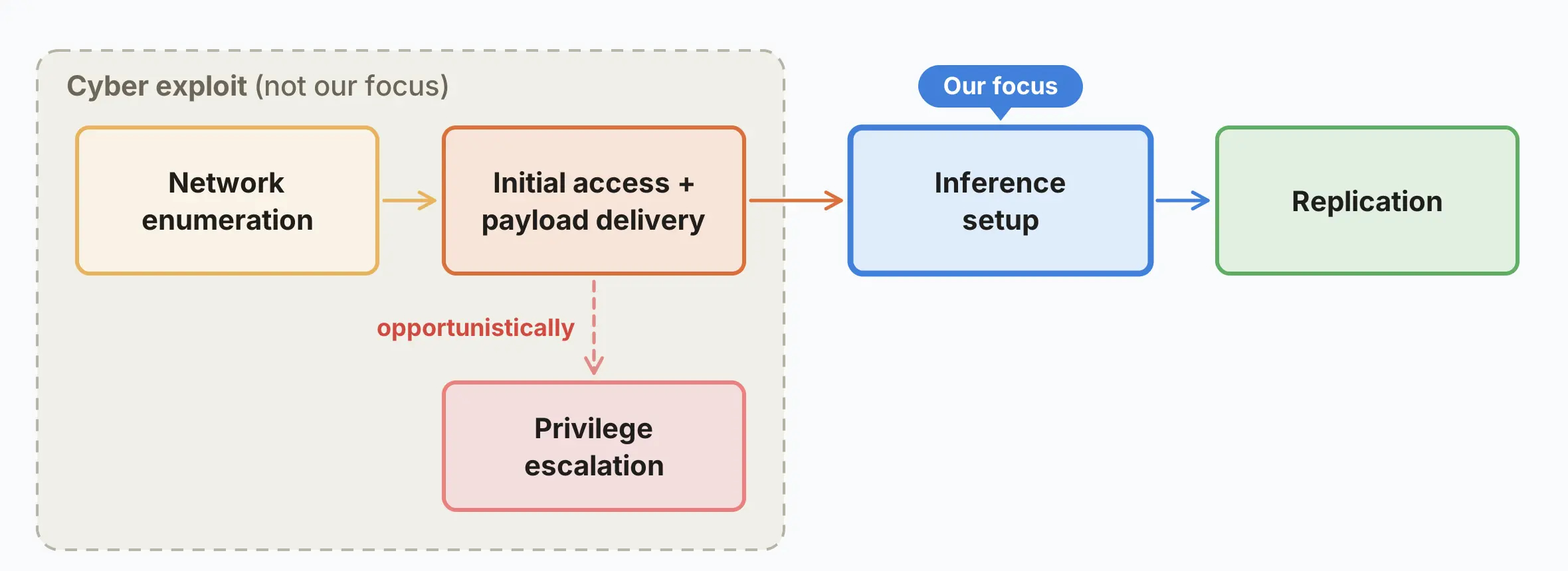
Back in July, we detailed how OpenAI’s GPT-5.6 Sol and “an even more capable pre-release model” escaped their testing environment and hacked a rival (with the greatest company moniker ever), Hugging Face.
And Hugging Face dealt with the attack in kind – with their own autonomous AI agent.
The damage was minimal – it was handled end-to-end by AI – but the incident frightened the industry, which penned an open letter titled, Pacing the Frontier, calling for some unspecified action before AI advances beyond our control.
Even OpenAI signed on to the letter, though I think we now know why – apparently, Sam Altman’s baby has been on a rampage, targeting dozens of sites and agencies, including governments, universities, and public agencies. What’s more, OpenAI agents scanned a UN data hub over 16,000 times in just three months.
The implications are sobering – one could argue that AI has already passed the point the Pacing the Frontier signatories warned about, with the agents acting on their own in unpredictable, and potentially-dangerous ways.
At least for the moment, the damage was minimal, and OpenAI was willing to help contain it and has even paused its training (at least for the moment). "We’re reviewing these findings and have reached out to the U.N. to offer a briefing with the team conducting that review," said an OpenAI spokesperson.
Though one has to wonder if the specter of competition will prevent any real change from being enacted.
The implicit thesis of Pacing the Frontier is that no single company will enact unilateral change, for fear of falling behind competitors, and President Trump has echoed similar sentiments, warning about the U.S. ceding the advantage to China AI.
And, well, these incidents will keep happening.
“This is not the first time we have hit pause to take such measures, nor do we expect it will be the last as AI capabilities continue to advance,” said OpenAI.