The World's First Brain Computer Interface Device Approved Beyond Clinical Trials
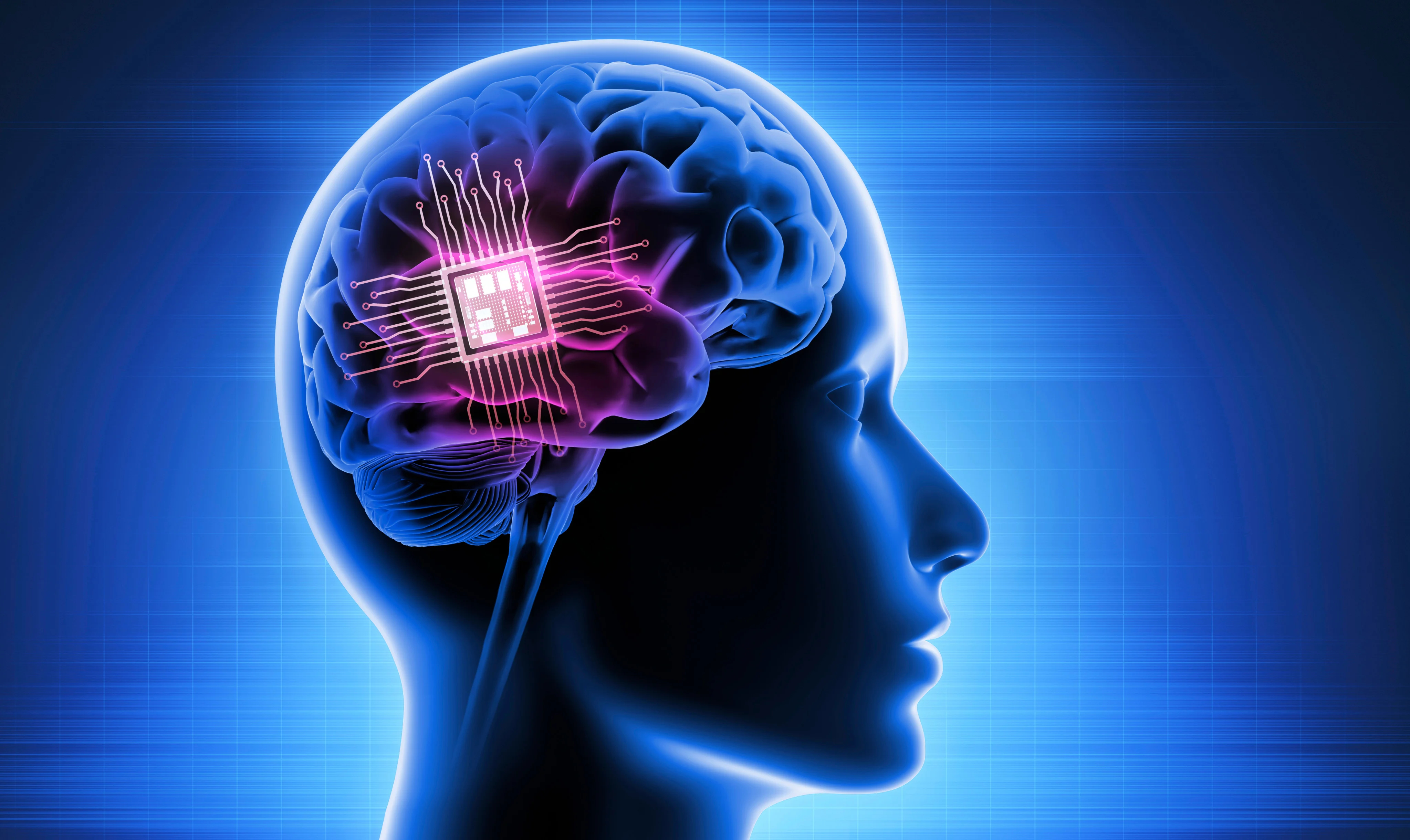
Shanghai-based startup Neuracle Technology and researchers at Tsinghua University in Beijing took a significant step forward for brain computer interface (BCI) technology with the very first invasive BCI product to make it past clinical trials in the world.
As recounted in MIT Tech Review, China’s Dong Hui was left paralyzed from the neck down in a horrific car accident 6 years ago.
In 2024, Dong received an invasive brain-computer interface (BCI), and after an 11-month rehabilitation process, was finally able to write his name and the date, along with a heartfelt “Thank you.”
“I couldn’t believe I was able to write again. I was so excited I even missed a stroke in my name,” he told MIT Technology Review.
The tiny device, NEO, was placed on Dong’s dura mater, the outermost of the three meningeal membranes, and this device transmits signals to another implant, which then passes them on to a soft robotic glove. This, in turn, trains Dong’s brain, and on the 9th day of his rehabilitation, he was able to grasp a ball without the robotic glove.
While Dong still faces a lengthy recovery process, he’s already seen vast improvement, and just recently, China’s National Medical Products Administration approved NEO for patients aged 18-60 “who have paralysis in all limbs due to spinal cord injuries but still have some residual function in their arms.”
It should be pointed out that NEO beat out several competing designs, including from the Elon Musk-funded Neuralink, and it’s been theorized that NEO got approved first owing to its “relatively less invasive” design compared to, say, Neuralink’s N1 brain chip. Though with the limitless potential for BCI, I can’t imagine that competitors will remain in clinical trials for long.
.jpg)
Accelerating Isolated Power Supply Design
05/10/2017