UK to Reduce its Zero-Emission Vehicle Sales Target
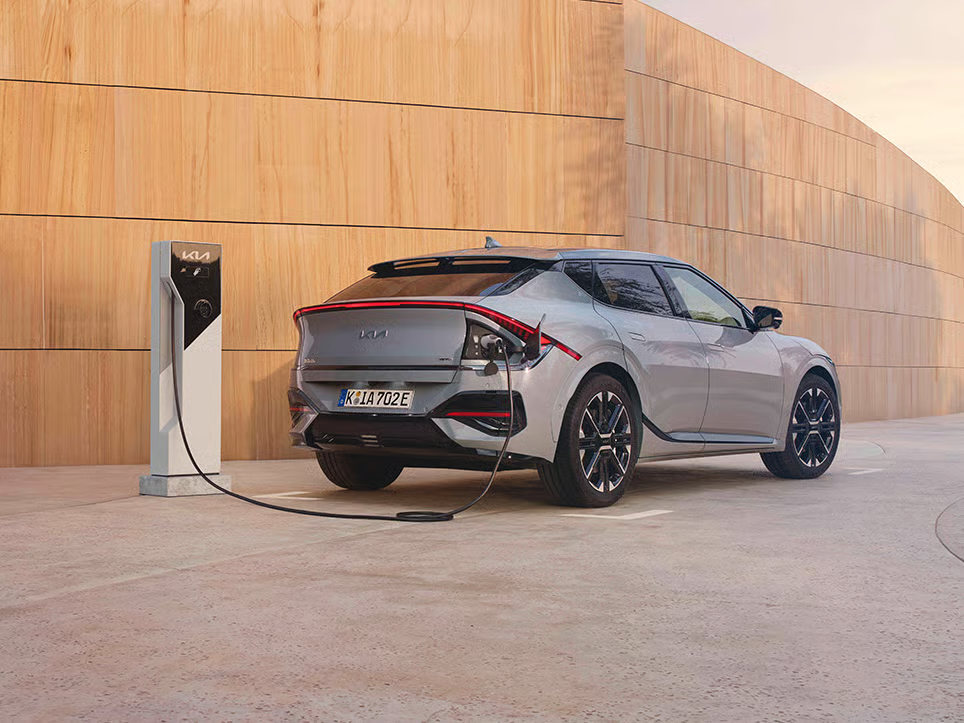
Under pressure from the automotive industry and trade unions, the UK is set to reduce its ambitious zero-emission target of 80% of all new vehicles sold by 2030. The government is now considering reducing that figure to as low as 50%.
First, let’s dispel some misconceptions – the course-correction has little to do with sales. Unlike the U.S., which saw a sharp 27% year-over-year 1Q EV sales reduction (owing to the EV tax credit expiring in September 20205), UK EV sales have stayed relatively steady.
In fact, they’ve seen a modest increase, with EV and hybrid new car registrations rising slightly year-over-year (though the overall market share has decreased).
And the UK is something of an anomaly compared to the rest of Europe, which saw robust increases in both BEV registrations and market share. In certain countries, like Norway, the internal combustion engine has been all but left behind, with BEVs accounting for 95-97% of new vehicle sales.
Either way, the UK’s 2030 zero-emission target stands to be relaxed.
Originally proposed in 2020 by then-Prime Minister Boris Johnson, and coming into effect in 2024, the ZEV mandate was set to gradually tighten, with 28% of new vehicle sales by 2025, and 33% in 2026, 80% in 2030, and finally, 100% in 2035.
As expected, this mandate has taken fire from trade groups, unions, and anyone with a financial interest in the internal combustion engine.
Just recently, Sharon Graham, General Secretary of the Unite union, noted that the ZEV mandate is “significantly contributing to the loss of automotive jobs in Britain. This is a clear fact. The targets must be radically reduced.”
Apparently, current UK Prime Minister Keir Starmerhas heard the pleas.
Mandating technological progress by fiat has always been a divisive premise, with wildly different results, and while the onslaught of electrification seems inevitable, it’s possible that some nations might’ve been a touch overly-ambitious.
.jpg)
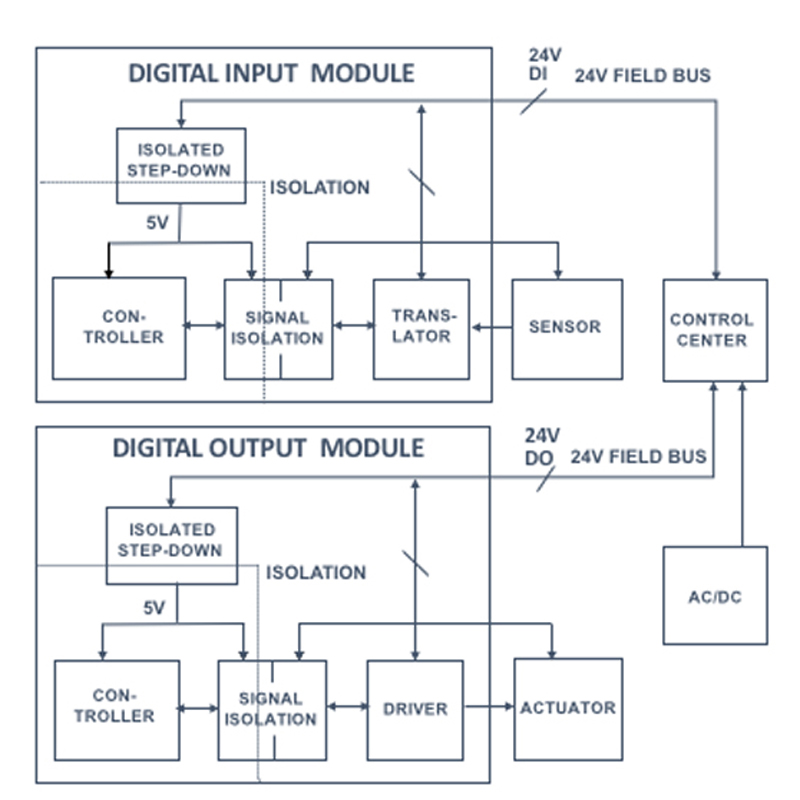
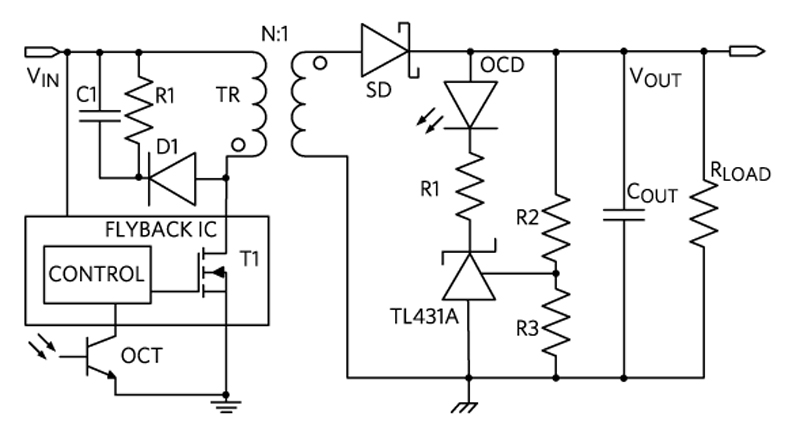
Accelerating Isolated Power Supply Design
05/10/2017