Why are Automakers Abandoning Europe?
The NY Times has an interesting piece about the mass exodus of automakers from Europe – the obvious question being “why?” Is Brexit to blame, or is the auto industry undergoing a dramatic paradigm shift?
Last Tuesday, Nissan announced a halt to its Infiniti production in northeast England. They join Honda, which plans to close its Swindon, England plant by 2021; Ford, which is eliminating jobs across Europe; Jaguar Land Rover, which is slashing employment by 4,500, mainly in Britain; Dyson, which is moving its headquarters from Britain to Singapore; and General Motors, which pulled out of Europe in 2017.
So what’s the deal?
Brexit certainly plays a role. Just as the uncertainty surrounding Obamacare temporarily wreaked havoc on Wall Street and caused a hiring freeze, as employers struggled to adapt to new regulations, Brexit is a great big question mark. We already mentioned how British consumers paid an average of £75 more for energy the year after Brexit.
But that’s one minor facet of a growing movement.
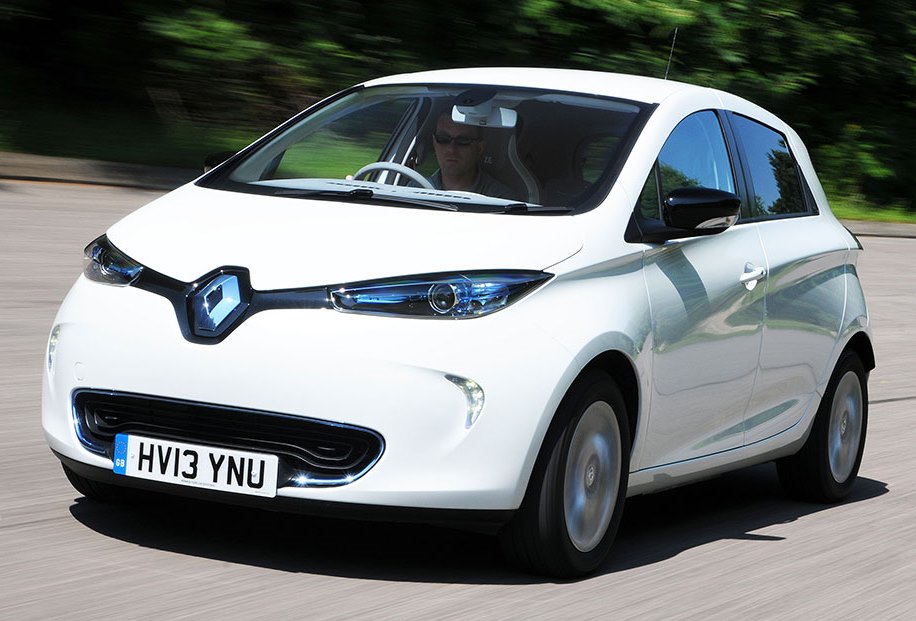
On the whole, the European car market is sagging, with peak sales of 16 million in 2007 and 15 million today. But electric cars are booming. While plug-in hybrid vehicles (PHEVs) are experiencing consecutive losses, all-electrics jumped 67% year over year in early 2019, for a record EV European market share of 1.7%.
That may not sound like much, but the momentum is slowly shifting from fossil fuels to advanced technology vehicles. London is penalizing drivers of older diesel vehicles, parts of Germany are outright banning older diesel engines, and Britain and France want to eliminate new diesel and gasoline-powered cars, entirely, by 2040.
The EU wants to see a fleetwide emissions average of 95 g CO2/km by 2021. Obviously, implementing all these changes will cause a fundamental shift in the auto industry. Thus, the score of closings, layoffs, and relocations.
Read more about this phenomenon and the pending changes here: https://www.nytimes.com/2019/03/15/business/cars-brexit-europe-technology.html