Data Centers

    May 2022
    Meeting Power Management Enhanced Efficiency, Reliability and Safety Requirements

    Click image to enlarge

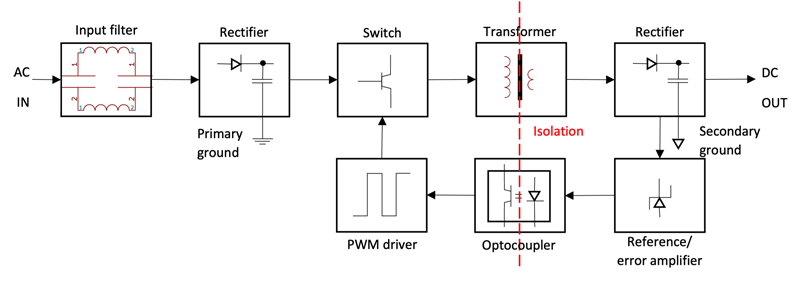
    Figure 1. General Block Diagram of a Switch Mode Power Supply (SMPS)
    ­Power conversion, isolation and accurate current measurement along with overvoltage/overcurrent circuit protection are necessary elements in a power supply design. Not only are these component solutions needed to help enhance reliability, but they are also required for regulatory compliance to help increase safe
    . . . Learn More
    Date:
    05/31/2022
    Neuromorphic AI Processing Uses 16X Less Energy

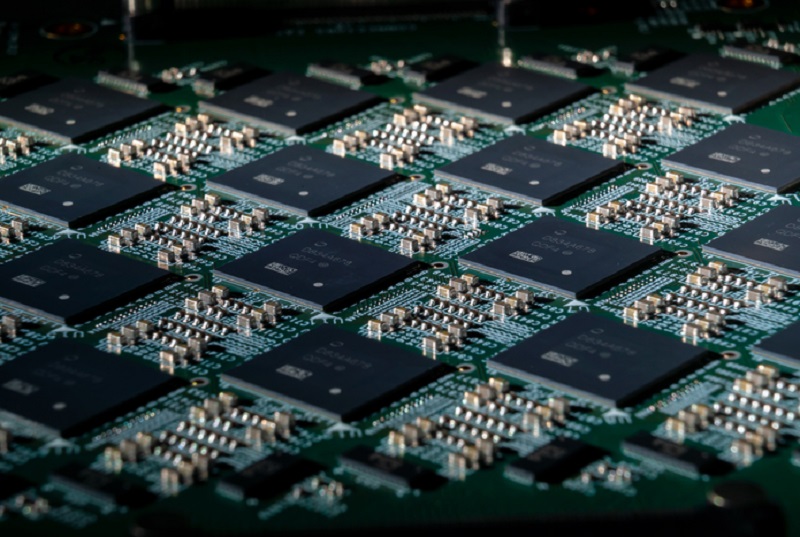
    One of Intel’s Nahuku boards, each of which contains eight to 32 Intel Loihi neuromorphic chips
      The next big step forward in electronics will be the migration of artificial intelligence (AI) from the datacentre to the edge. As systems grow more complex, the size of the code required to calculate for every eventuality grows exponentially. Training the system to “think” for itself and make d
    . . . Learn More
    Date:
    05/24/2022
    World's First 100W/in3 Data Center Power Supply
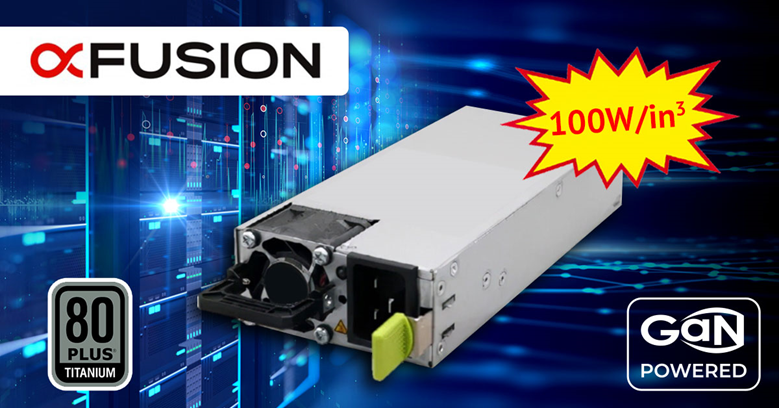
    ­GaN Systems and xFusion Digital Technologies Co., Ltd. (xFusion) introduced the xFusion 3kW PSU, the world’s first 100W/in3 with 80 Plus Titanium efficiency solution.  The increasing demand for more data and power combined with sustainability initiatives are driving change in the dat
    . . . Learn More
    Date:
    05/13/2022
    MDmesh MOSFETs Raise Power Density and Efficiency
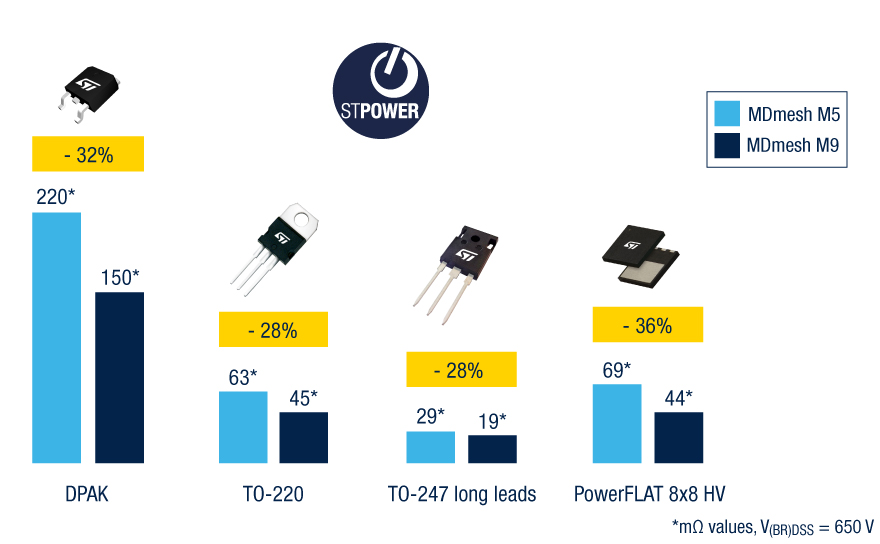
    ­STMicroelectronics’ STPOWER MDmesh M9 and DM9 N-channel super-junction multi-drain silicon power MOSFETs are ideal for switched-mode power supplies (SMPS) in applications from data-center servers and 5G infrastructure to flat-panel televisions. The first devices to be launched
    . . . Learn More
    Date:
    05/09/2022
    Unlocking Super Compute Performance

    Click image to enlarge

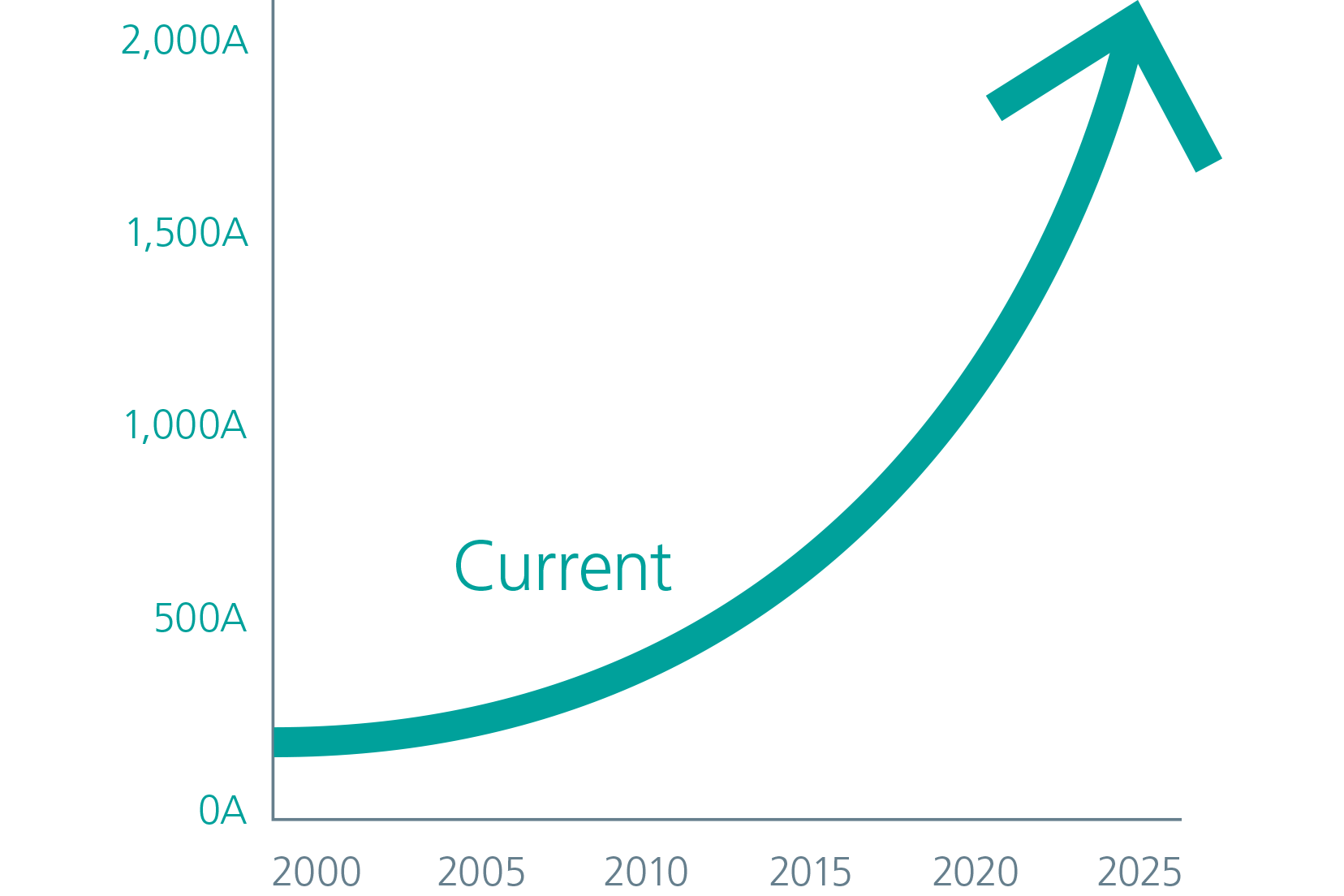
    Figure 1. Power delivery and power efficiency has become the largest concern in large scale computing systems. The industry has witnessed a dramatic increase in power consumed by processors with the advent of ASICs and GPUs processing complex AI functions. Rack power has also subsequently increased with AI capability being utilized in large scale learning and inferencing application deployments. In most cases, power delivery is now the limiting factor in computing performance as new CPUs look to consume ever increasing currents. Power delivery entails not just the distribution of power but also the efficiency, size, cost and thermal performance
    ­The increasing complexity and variety of compute workloads demand immense processing capabilities. Whether used in a cloud data center or on-premise, a new breed of processors is able to increase throughput and reduce latency. However, processor advances are pushing power delivery boundaries. As a result, po
    . . . Learn More
    Date:
    05/01/2022
    50 Shades of Green for Legacy Data Centers

    Click image to enlarge

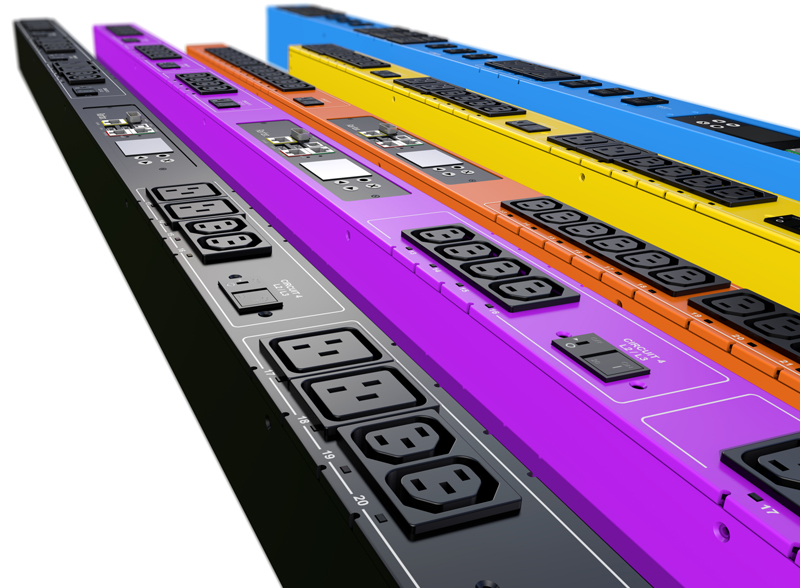
    Figure 1. Intelligent Rack PDUs for Powering, Monitoring, and Managing Critical Infrastructure

    ­Several decades ago “green” meant only one thing in a data center, a business-related conversation, money! Increasing margins, lowering costs, improving the bottom line, achieving the ideal EBITDA (earnings before interest, taxes, depreciation, and amortization). These were the only shades of green discussed in
    . . . Learn More
    Date:
    05/01/2022
    Archive

    Transformer Design Comparisons for Mitigating EMI in Gate Driver Circuits

    Mar 29,2026
    Matthew Russell, Master’s student at University College Cork, and a student engineer at Bourns Electronics Ireland

    1250 V/1700 V GaN HEMTs for NVIDIA 800 VDC Architecture

    Jan 31,2026
    Kamal Varadarajan & Chris Lee, Power Integrations

    Power Systems Design

    146 Charles Street
    Annapolis, Maryland 21401 USA

    Power Systems Design

    Power Systems Design is a leading global media platform serving the power electronics design engineering community. It delivers in-depth technical content, industry news, and product insights to engineers and decision-makers developing advanced power systems and technologies.

    Published 12× per year across North America and Europe, Power Systems Design is distributed through online and fully digital editions, complemented by eNewsletters, webinars, and multimedia content. The platform covers key areas including power conversion, semiconductors, renewable energy, automotive electrification, AI power systems, and industrial applications—supporting innovation across the global electronics industry.