The Case for Persistent Infrastructure Identity in Power Systems

The infrastructure endures. Its institutional memory does not
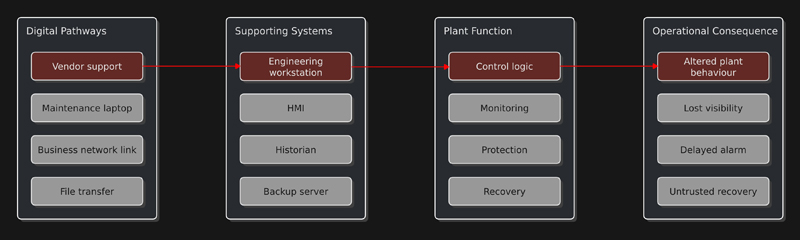
Figure 1: A PIID acts as a permanent technical address that survives ownership transitions and software migrations, preventing the 'institutional amnesia' typical of multi-decade asset lifecycles
Picture the commissioning closeout of a new substation or combined-cycle generation facility. Thousands of engineering hours have produced relay coordination studies, protection settings files, equipment FAT reports, arc-flash analyses, and as-built one-line diagrams. That documentation is the most complete technical portrait the asset will ever have. Within two ownership cycles, much of it is effectively gone, not destroyed, but orphaned: scattered across the drives of EPC contractors no longer engaged, locked inside retired SCADA versions, or surviving only in the memory of a retiring protection engineer who no one thought to debrief before she left. The loss is not incidental. It is structural, and it repeats itself across every generation facility, transmission corridor, and substation in the country.
A Structural Problem, Not a Software Problem
The power sector has invested heavily in digital modernization, encompassing ADMS platforms, cloud-based document management, digital twins, and real-time asset health monitoring. The volume of technical data produced on a major T&D project or generation facility would have been unimaginable a generation ago. Yet almost none of it survives the project boundary in a form that is durably accessible to the next owner, operator, or engineer.
The problem is not inadequate software. It is the complete absence of a persistent identity layer, which is a stable, asset-anchored identifier that tethers digital records to the physical equipment those records describe. Engineering data is organized by project number, by vendor platform, by the utility or developer that commissioned it. When any of those containers disappears, like when a project closes, a platform is retired, or an organization restructures, the records evaporate alongside them. No amount of additional software investment resolves the underlying issue if the foundational identity layer does not exist.
For power systems engineers, this fragmentation has direct operational consequences. The thread connecting an installed protective relay to its original coordination study is severed at project close. Transformer maintenance logs accumulate in asset management systems with no traceable link to the original factory test reports or installation records. When a generator step-up unit fails, the investigation team often cannot readily access the commissioning data that would clarify whether the failure mode was latent or operational -- a gap that has real consequences for insurance claims, regulatory inquiries, and future design decisions.
Where Continuity Breaks Down in Power Infrastructure
Project closeout represents the most information-rich moment in a power asset's lifecycle. Protection coordination studies, load-flow models, grounding analyses, equipment ratings, and interconnection agreements exist simultaneously in one place. From the moment that documentation transfers to an owner's operations team, the portrait begins to degrade, not through negligence, but because the systems that receive it were never designed to preserve its internal connections.
Maintenance records accumulate in CMMS platforms that tag equipment by asset tag or functional location rather than any identifier traceable back to the original design. The relay that was set to a specific pickup value in the protection study becomes, in the maintenance system, simply "Relay-147" with no live connection to the engineering rationale that determined those settings. When a protection engineer revisits that relay years later to evaluate a potential setting change, the original coordination basis is effectively invisible unless someone happens to remember where the old files were stored.
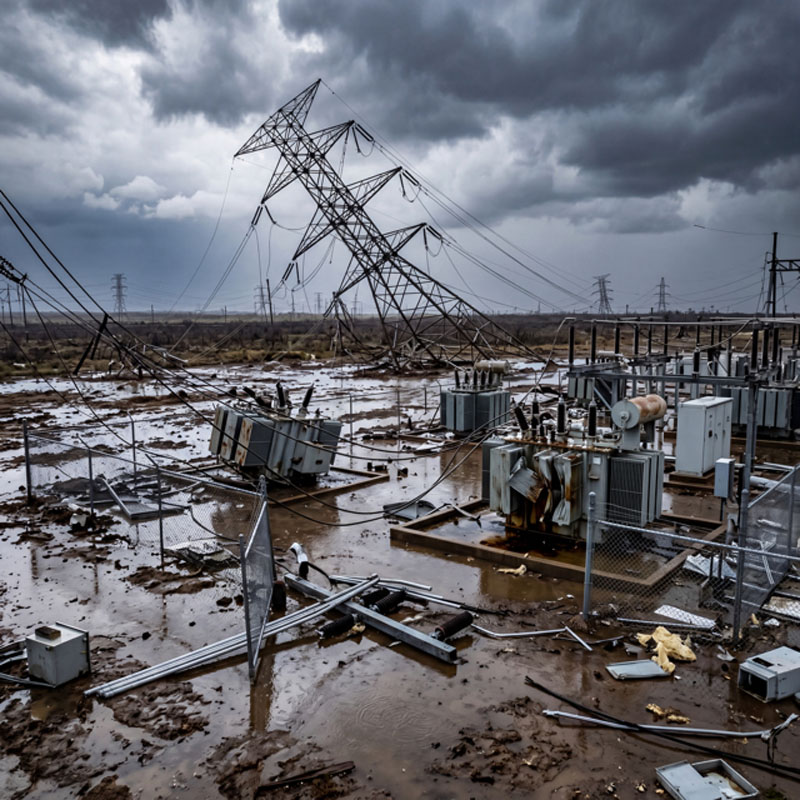
When capital upgrades or repowering projects are undertaken, new engineering scope is captured in contractor project files organized around billing structures rather than the asset's longitudinal history. Pre-existing conditions and post-construction modifications exist in separate silos. Regulators and insurance carriers reviewing a significant event, such as a protection misoperation or a transformer loss, frequently cannot obtain a coherent technical narrative because the records that would form it are distributed across incompatible systems with no common reference point. The result is longer investigations, less defensible conclusions, and a diminished ability to apply lessons learned to other assets on the same network.
Click image to enlarge
Figure 2: While digital twins and cloud platforms offer volume, PIID provides the underlying identity layer needed to link records across incompatible vendor silos and project numbers
Persistent Infrastructure Identity: The Engineering Case
Addressing this requires intervention at the identity layer, not the application layer. The emerging framework, known as Persistent Infrastructure Identity (PIID), assigns a permanent, globally unique identifier to every physical asset at the moment of its creation, sustained across its entire operational life. Unlike asset tags, serial numbers, or internal database keys, a PIID belongs to no organization and depends on no platform. It is the asset's permanent technical address, as unchanging as the equipment itself.
The concept has proven precedents in adjacent sectors. Aviation assigns aircraft registration codes that persist across operator changes and jurisdictions for the life of the airframe, enabling any qualified maintenance organization anywhere in the world to pull a complete technical history. Capital markets use standardized securities identifiers that track instruments across institutions and ownership structures without interruption. The automotive VIN has maintained a continuous longitudinal record across manufacturers, dealers, insurers, and owners since the 1950s. In each case, the identifier is not a feature of a particular software system, it is a layer beneath all software systems, outlasting any of them individually.
A persistent infrastructure identifier gives every power asset, such as every transformer, breaker, generator, transmission structure, or protection panel, a stable reference point that belongs to no platform, depends on no organization, and survives every ownership transition, software migration, or corporate restructuring. Engineering documents, factory acceptance records, commissioning data, maintenance logs, inspection reports, and modification filings all resolve to the same underlying identifier, forming an unbroken chain of technical custody that follows the asset itself rather than the succession of parties who have operated it.
Click image to enlarge
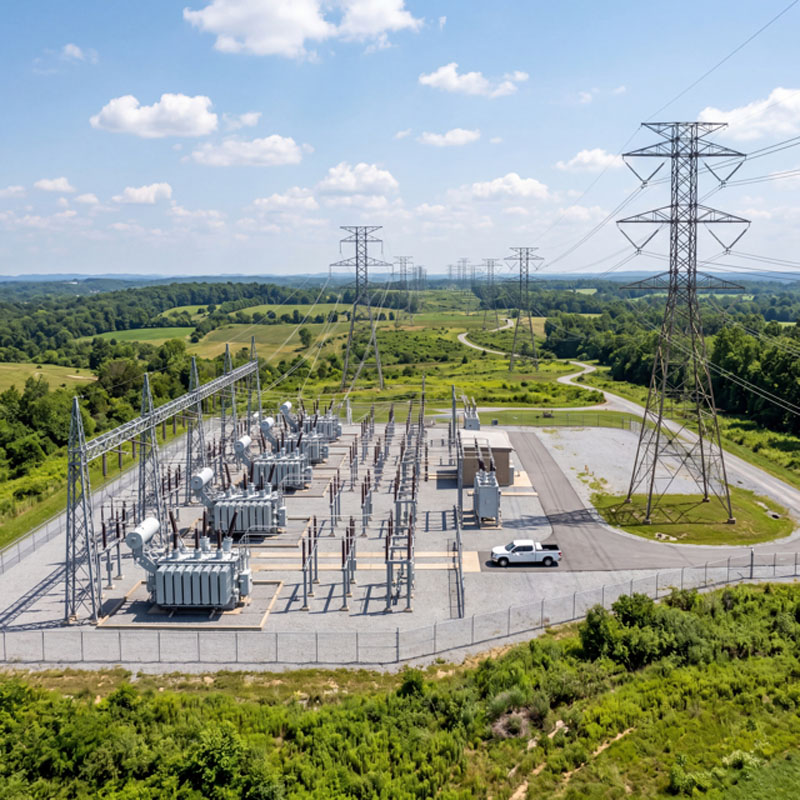
Figure 3: Linking protective relays to their original engineering rationale via PIID reduces risk by allowing future engineers to verify protection settings decades later.
What This Means for Power Systems Professionals
For design engineers, persistent identity means that the protection studies, load-flow models, and arc-flash analyses produced during detailed design remain attached to the asset throughout its operating life -- accessible to the next protection engineer who needs to modify a relay setting twenty years from now, and to the investigator who needs to reconstruct what was installed and why. The engineering record becomes a living document rather than a project artifact.
For asset owners and operators, persistent identity means that the technical basis for every major operating decision, like a maintenance interval, a protection philosophy, or an equipment rating, is continuously traceable rather than subject to institutional amnesia. As grid modernization intensifies complexity and the consequences of undocumented modifications grow, this traceability becomes an operational risk matter, not merely an administrative one. A utility that cannot explain why a relay was set the way it was, or who approved a maintenance deferral, is exposed in ways that go well beyond inconvenience.
For the broader power sector, assets carrying verified, continuous technical histories present lower risk profiles to insurers and lenders. As capital markets increasingly price the premium associated with undocumented infrastructure, the engineers and organizations that establish persistent records at project inception will have made a quantifiable contribution to long-term asset value. Infrastructure that can demonstrate an unbroken chain of technical custody commands different terms in both insurance markets and project financing -- a distinction that will only sharpen as grid assets age and regulatory scrutiny intensifies.
The Highest-Leverage Moment Is at Creation
Power systems engineers occupy a singular position: they produce the most technically complete documentation a generation or transmission asset will ever have. No subsequent owner, operator, or regulator will know the system as thoroughly as the team that designed and commissioned it. That knowledge is at its peak exactly once, and it begins to erode the moment the project closes. Establishing persistent identity at that origin moment -- at creation, not retroactively -- is the most logical and highest-leverage intervention point for a problem costing the global built environment trillions of dollars each year.
The retroactive approach to infrastructure documentation -- attempting to reconstruct records after assets are already in service -- is costly, incomplete, and often impossible for older equipment. The engineering firms and owners who build persistent identity into their commissioning workflows from the outset are not incurring an added burden. They are capturing the full value of the work they have already done, and ensuring that value is not silently erased at project closeout. For a sector that depends on long-lived physical assets and faces growing regulatory, insurance, and operational pressure to demonstrate control over those assets, the economics of this investment are straightforward.
The grid carries the load of the society that depends on it. Its engineering record should carry the same permanence.