Why Automotive Qualification Still Matters in the Age of Software-Defined Vehicles

The evolution of the automotive industry has transformed cars from mechanical machines into dynamic electronic ecosystems
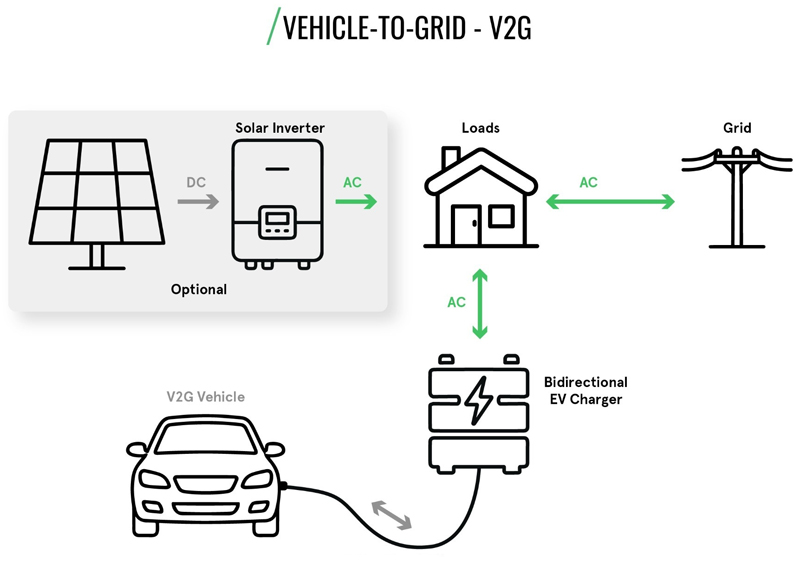
Figure 1: The connected nature of today’s vehicles requires efficient power chips to manage their many intelligent devices and connections
Today’s vehicles can include more than 100 electronic control units and millions of lines of code, supporting a range of functions, including infotainment, navigation, driver assistance, and powertrain control. As the shift to software-defined vehicles (SDV) accelerates, electronic components face heightened expectations not only for performance but also for durability, safety, and compliance with increasingly stringent quality standards.
While software has become central to how vehicles operate and evolve, it is the hardware underneath — specifically, the semiconductors, power devices, RF systems, and sensors — that must maintain impeccable reliability. No matter how intelligent the vehicle software becomes, it cannot compensate for a failing power management chip or an unreliable sensor in a life-critical system.
A Rising Bar for Component Quality
With the growing complexity of in-vehicle electronics, new technology designs must be more rugged and reliable. They also must perform at a high level with even greater longevity. Compared to commercial or consumer grade electronics, automotive components must survive some of the harshest operating conditions imaginable. Temperatures can range from subzero to well over 150°C. Vibration, shock, humidity, and electrical interference are daily challenges that organizations face. These components must perform flawlessly for more than a decade because they power essential safety and control systems like airbags, collision warnings, and back monitors, as well as anti-lock brakes. They are essential in fuel injection, chassis control, infotainment systems, and even power doors and windows.
It’s also key to eliminate interference between the many electronic components and systems that must co-exist in every vehicle. When the stakes are as high as keeping drivers safe, it’s essential to not only have electronics that work for the long-term, but that they can coexist without causing problems within the vehicle’s connected ecosystem.
This is why the automotive industry relies on rigorous qualification standards, such as IATF 16949, ISO 26262, and AEC Q100, to define what 'automotive grade' really means. The International Automotive Task Force (IATF) is responsible for developing the international standard for automotive quality management systems that manufacturers must adhere to throughout the production and testing process.These standards are more than box-checking exercises. They represent a deep commitment to product quality, traceability, and long-term reliability, one that is a huge part of maintaining customer trust.
From Component to System Level Integrity
Achieving component level qualification is only part of the equation. As vehicles integrate more software-driven features, such as over-the-air updates, vehicle-to-everything communication, and autonomous safety systems, system-level validation becomes equally critical. It’s not simply that the parts themselves are rigorously tested, but that they work together without interference.

Click imaghe to enlarge
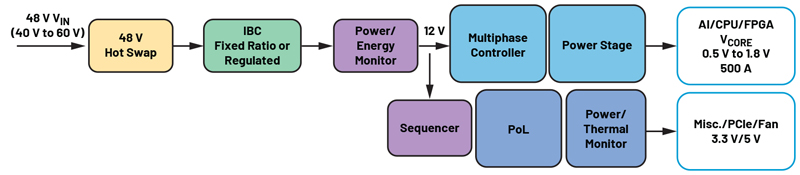
Figure 2: As cloud-connected over-the-air updates advance SDVs, next level power management to optimize these systems is increasingly important
ISO 26262 governs functional safety by assigning Automotive Safety Integrity Levels (ASIL) based on risk. There are four ASILs. ASIL A is the lowest level and covers hazards like simultaneous rear light failure. ASIL D requires the most stringent safety measures, as it covers situations like the inadvertent deployment of airbags.
These requirements impact the entire product development cycle, from architecture to final validation, and extend to how suppliers manage documentation, testing, and traceability. For example, an Ultra-Wideband IC used for Child Presence Detection that must meet ASIL B or higher and a system managing emergency braking that falls under ASIL D must both achieve their safety function without affecting the other.
As SDVs with their software-based safety applications become more common, it increases the risk of random hardware faults. So, ISO 26262 ensures modern vehicles with complex electronic systems achieve high safety standards.
How Qorvo Supports Automotive Grade Design
Instead of manufacturers updating their vehicles via hardware modifications or new models, SDVs are constantly evolving with software updates. SDV systems use sophisticated power management integrated circuits (PMICs), motor control devices (MCDs), and wireless communication systems — they’re cloud-connected, enabling seamless digital interaction with their environment and over-the-air updates. To stay ahead of the game, you need to be as highly adaptable as SDVs by continuously advancing with new capabilities and upgrades throughout a vehicle’s lifecycle.
Click image to enlarge
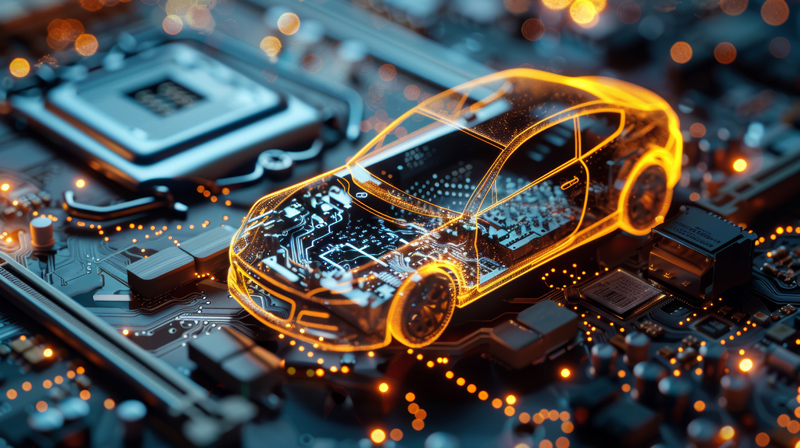
Figure 3: As more interconnected technologies drive SDVs, qualification will continue to grow
As a key supplier of RF, power, and connectivity solutions, Qorvo provides automotive-qualified components that help OEMs and Tier 1 suppliers meet the most demanding quality and safety standards. For example, Qorvo’s UWB ICs are designed for secure and precise short-range location applications in vehicles, including digital key fobs, in-cabin presence detection, and secure access systems. These devices meet AEC Q100 qualification and support ISO 26262 design targets.
On the power management side, Qorvo offers automotive qualified PMICs and battery management solutions that are optimized for electric vehicle subsystems, including power conversion and energy storage. These components are engineered to operate reliably across a wide temperature range, with protection features and diagnostic capabilities that enhance system-level safety and predictability.
By integrating these types of devices, automotive engineers can build robust systems that are both compliant with regulatory standards and resilient in real world use. As previously mentioned, this is essential for software-defined vehicles that must maintain safety across continuous software and firmware updates.
Why Qualification Is More Than a Label
It is easy to assume that a power regulator or RF component labeled automotive grade is interchangeable with a commercial counterpart. However, beneath the surface, the differences lie in process controls, environmental stress screening, lifecycle testing, and extensive documentation.
Every child car seat goes through more rigorous vetting than a kid-sized chair because the stakes are higher and the potential hazards more extreme. In the same vein, every automotive-qualified component must survive accelerated life tests and outlier screening to ensure it will not become the weak link in a vehicle’s complex electronic infrastructure. There are no cutting corners when it comes to safety.
With greater technological possibilities comes greater responsibility. That’s why these practices are more than just about meeting specifications; they are about achieving excellence. They are designed to ensure peace of mind for automakers and, ultimately, for the drivers and passengers who rely on these technologies every day. No matter how exciting the perks and features of a new vehicle, no one wants to sacrifice safety for status. And the move toward autonomous and highly connected vehicles only makes this more evident. It’s not going to work if you can’t get it all to work together, and that’s what Qorvo is committed to.
Looking Ahead: Quality in an Electrified, Software-Defined Future
As customers continue to expect more from their vehicles than simple transportation, the industry will continue on its current trajectory and push further into electrification, autonomy, and cloud-based connectivity. With the continued desire for and growth of these technologies in the vehicles, the importance of qualification will continue to grow. Automotive systems will only become more interdependent, and the margin for error will continue to shrink. Functional safety, power integrity, and electromagnetic compatibility will remain essential elements of every automotive electronics roadmap.
For design engineers and system architects, qualification is not a finish line. It is a foundation. It ensures that every building block of the vehicle’s electronics can be trusted to perform reliably, even under extreme stress, throughout the vehicle's entire lifecycle.