Pakistan's Solar Boom Largely Inoculates it From Emerging Energy Crisis
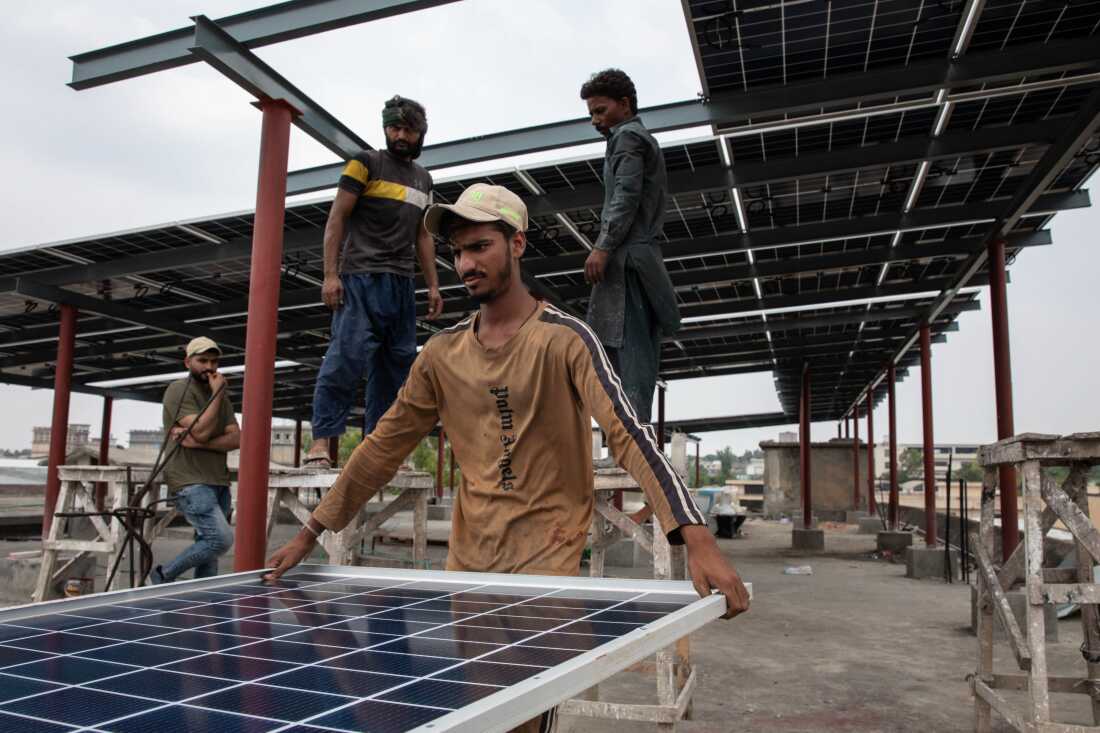
Last week, I wrote how the war in Iran could lead to unprecedented pain at the pump, driven largely by the Strait of Hormuz closure. Gas prices have already started ticking upwards, en route to record highs. But one country that’s weathered the energy crisis exceptionally well is Pakistan.
Pakistan primarily sources its oil from Saudi Arabia and the United Arab Emirates (UAE), along with Qatar, Kuwait, and Russia, and most of their supply goes through the Strait of Hormuz (which facilitates the passage of 20% of the world’s oil). So why is Pakistan in such good shape?
Turns out that the world’s 26th-largest economy (by GDP) has experienced a recent solar boom.
Like many countries, Pakistan felt intense economic aftershocks from Russia’s 2022 invasion of Ukraine, with the world’s supply of liquefied natural gas (LNG) virtually cut off. A heatwave and gas shortage exacerbated these factors.
And while Europe struggled to find new LNG suppliers, with many EU nations reverting to domestic fossil fuel, Pakistan realized the time was perfect for a photovoltaic revolution.
“People who could afford to do it at that time realised that it was much cheaper and cost-effective and better for them in the long run to do a one-time investment in rooftop solar as opposed to keep paying high electricity bills from a grid that is also unreliable,” said Nabiya Imran, an associate at Renewables First, a Pakistani thinktank.
And according to The Guardian, the “share of electricity generated by solar jumped fivefold between December 2021 and December 2025, according to data from Ember.”
In 2024, solar reached a full one-fifth of the country’s grid-supplied electricity.
And in conjunction with generous government incentives, Pakistan’s solar boom has largely shielded it from the unfolding energy crisis.
“While we’re certainly seeing some impacts, the expansion of distributed solar in the country has provided a cushioning effect against the impacts [of the energy crisis],” added Imran.
Of course, America’s, Europe’s, and much of Southeast Asia’s energy needs are far greater and more insatiable, and even Pakistan has taken drastic steps to allay the energy crisis – like announcing school closures for two weeks and forcing 50% of public sector employees to work from home.
Still, one hopes that Pakistan’s resilience in the face of an unfolding energy crisis serves as a great blueprint for the rest of the world.
.jpg)
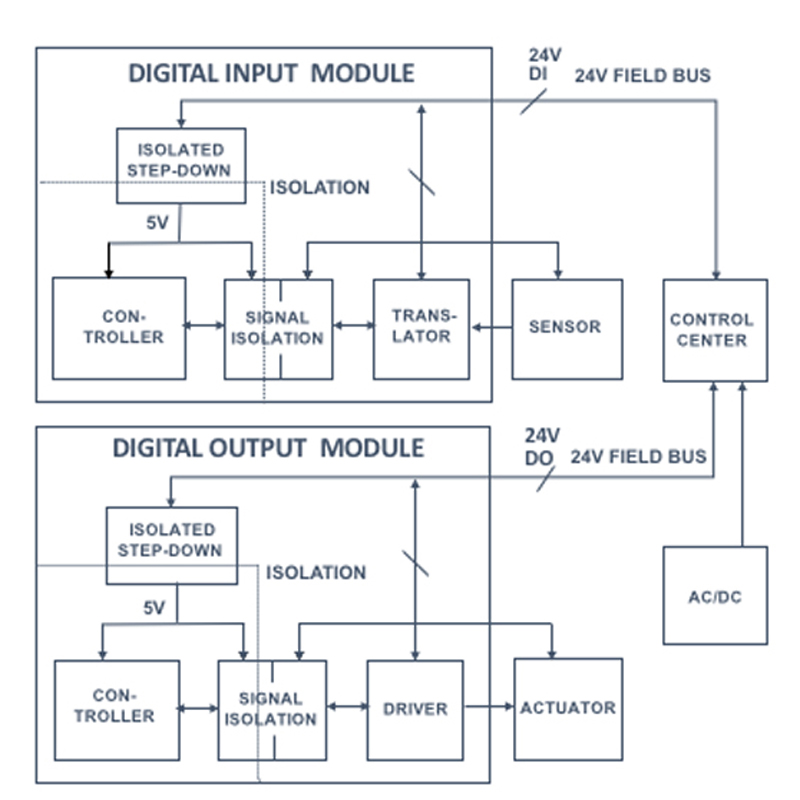

Accelerating Isolated Power Supply Design
05/10/2017