Reducing Energy, or Dumping the Problem on Others?
Sometimes you don’t realise the progress that is being made until you take a step back and compare it with what has gone before. This week, I received an announcement about how an innovation in OLED technology could save energy for almost any device with a screen. It made me wonder how much more efficient our consumer goods were in comparison to 50 years ago when I was growing up. That, in turn, sent me down a rabbit hole on the internet where I came across a factoid that I found hard to believe. Today, the UK uses a similar amount power than it did in the 1970s. A 2016 report by the Department for Business, Energy and Industrial Strategy showed consumption hitting a peak in 2001 at 236,856 thousand tonnes of oil equivalent (ktoe) but falling back by nearly 20% by 2015. Since then energy usage has decreased further, and the latest figures I can find from the UK government claim that total energy consumption in the UK decreased by 1,400 ktoe, or 1.0 per cent, between 2018 and 2019 down to a total of 142,000 ktoe, about 60% of our peak consumption twenty years ago.
This fall in overall consumption is despite a population increase of nearly 20% since the 1970s and today’s average household having almost double the energy using appliances now than it had half a century ago. Although there has been a focus on making more efficient appliances, I never realised the extent of that drop in energy requirements. For example, LED lighting can be up to 80% more efficient that the bulbs they replaced. The amount of electricity we use for television has also roughly halved in only the last decade, due to the switch to LCD displays and advances in technology. This is despite a rise in higher resolution displays, which generally require more power.
The way that we use electricity has also changed quite dramatically. Industry used to make up around 60,000 ktoe of the UK’s overall energy usage, that has shrunk back to just over 20 ktoe. However, transport has gone in the opposite direction, from just under 30,000 ktoe to just under 60,000 ktoe. Domestic usage and services have stayed in much the same quantities at 40,000 ktoe and 20,000 ktoe respectively.
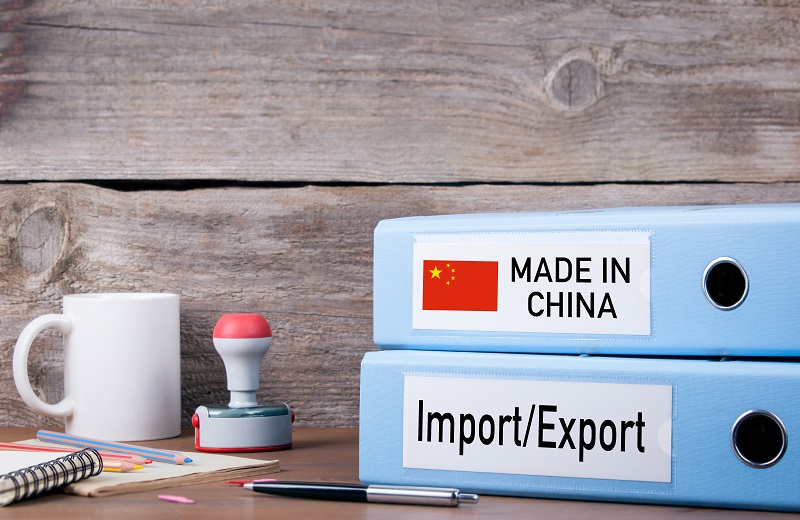
These figures together also lead to the question of whether we have really reduced that energy consumption, or have we outsourced it? Most of that increase in consumer products are manufactured in the Far East, rather than here. With our energy usage for industry dropping 40,000 ktoe, has that usage just been transferred to China and South Korea for other people to worry about? Maybe the transfer to centralised, highly-automated and efficient production facilities has helped us reduce our overall global consumption during this consumer electronics boom? The answer is probably a bit of both, but we should probably think about our own culpability when we criticize countries like China for its emissions.