Technical Features

    January 2012
    Transformer Design Comparisons for Mitigating EMI in Gate Driver Circuits

    Click image to enlarge

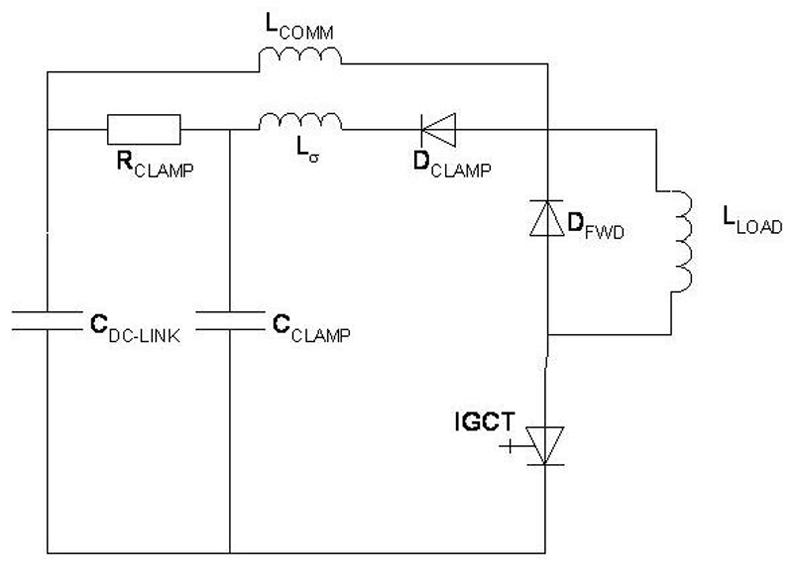
    Figure 1: Gate driver circuit diagram with a Bourns transformer

    While gate driver-based converters deliver improved efficiency, speed and signal integrity, their high frequency switching features can produce elevated levels of conducted electromagnetic interference (EMI), posing challenges to electromagnetic compatibility (EMC) and overall system reliability. To solve this
    Date:
    03/29/2026
    Smart Energy Metering Applications

    Click image to enlarge

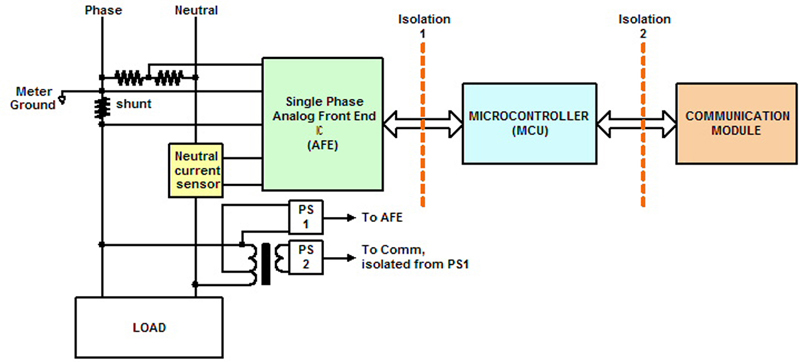
    Figure 1: Single-phase anti-tamper smart meter
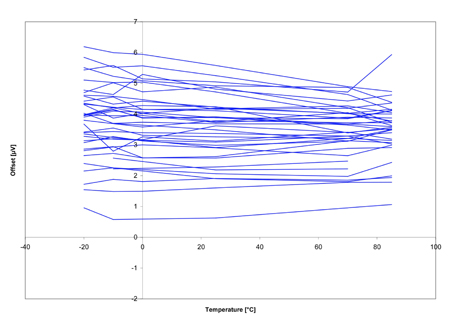
    DC tolerant current transformers have long been used to sense ac currents in smart energy meters, but they have drawbacks and can be expensive. For some applications, resistive shunts make
    . . . Learn More
    Date:
    01/31/2012
    Cost-Optimized Solar

    Click image to enlarge

    Figure 1: Typical Solar Panel Output Current & Power vs. Output Voltage Curve
    The influence of clouds, trees, dirt, on the solar cell panel and the rotation of the sun causes problematic fluctuations in the amount power generation. The typical output current and
    . . . Learn More
    Date:
    01/31/2012
    Power Module Mounting

    Click image to enlarge

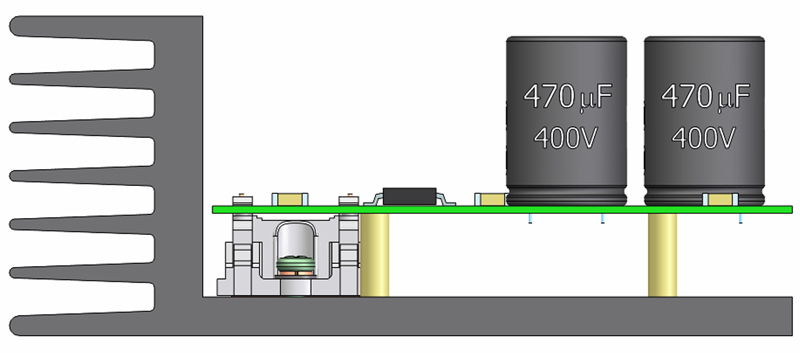
    Figure 1a: State-of-the-art configurations

    The mounting option for power modules has always been somewhat limited, meaning that the designer is constrained to a standard configuration. These new modules overcome this problem. Most
    . . . Learn More
    Date:
    01/31/2012
    Miniaturized Modules

    Click image to enlarge

    Figure 1: A wireless handset may need to cover 13MHz to 6GHz in future - figures show the Murata estimate for the take-up of various technologies

    Ceramic technologies are complementing semiconductor advances in enabling ever-more sophisticated and smaller wireless electronic systems. Improvements in ceramic materials technology have
    . . . Learn More
    Date:
    01/31/2012
    Spoilt for Choice - Power Switch Technologies for Renewable Applications

    Click image to enlarge

    Figure 1: Offshore wind park ï½Lillgrundï½ in Sweden is connected to the main land via a 138kV high-voltage DC link (picture: Siemens)
    With 7 billion human beings living on this planet, and at the same time, the energy consumed by human beings is shifting more and more from oil to electricity Improving power density
    . . . Learn More
    Date:
    01/07/2012
    Battery Management
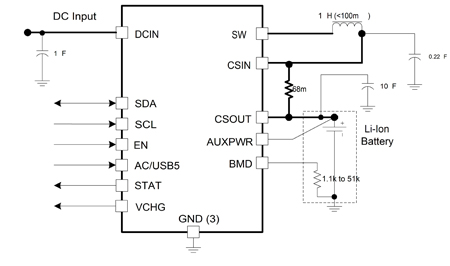
    Lithium Ion batteries are becoming the technology of choice for most portable applications requiring rechargeable batteries. The advantages include high energy density per volume and weight, high
    . . . Learn More
    Date:
    01/01/2012
    Challenging Charging
    This article discusses the selection process for deciding the battery charging topology in portable, consumer applications. The article analyzes system and battery conditions under which the benefits
    . . . Learn More
    Date:
    01/01/2012
    Digital Power Conversion

    Click Image to enlarge

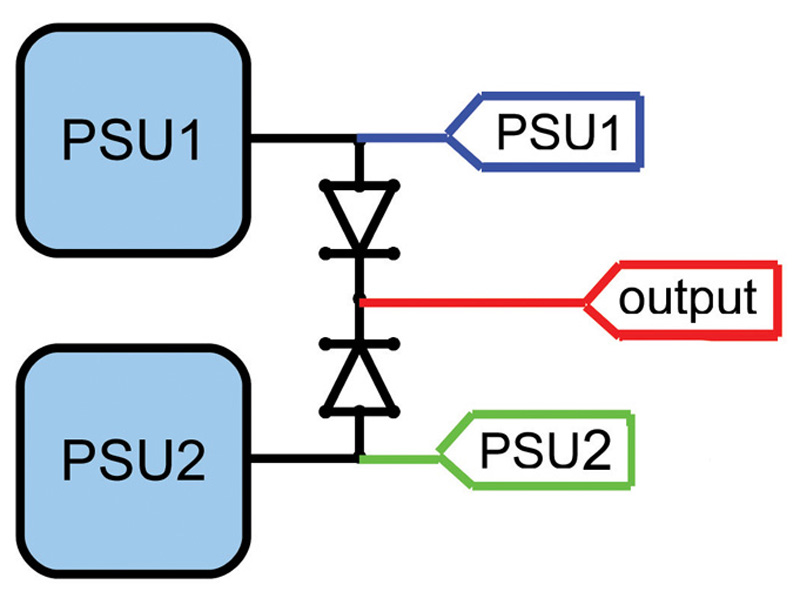
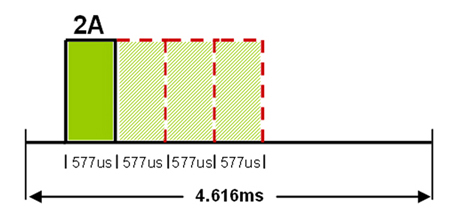
    Figure 1a: The effects of parallel connecting two power supplies without share control
    Power supplies with digital control are gaining in popularity. However the term ‘digital control' is commonly applied to two quite different meanings. The two main terms are; ‘Digital power
    . . . Learn More
    Date:
    01/01/2012
    Digital Power Delivers Auto-Compensation

    Click image to enlarge

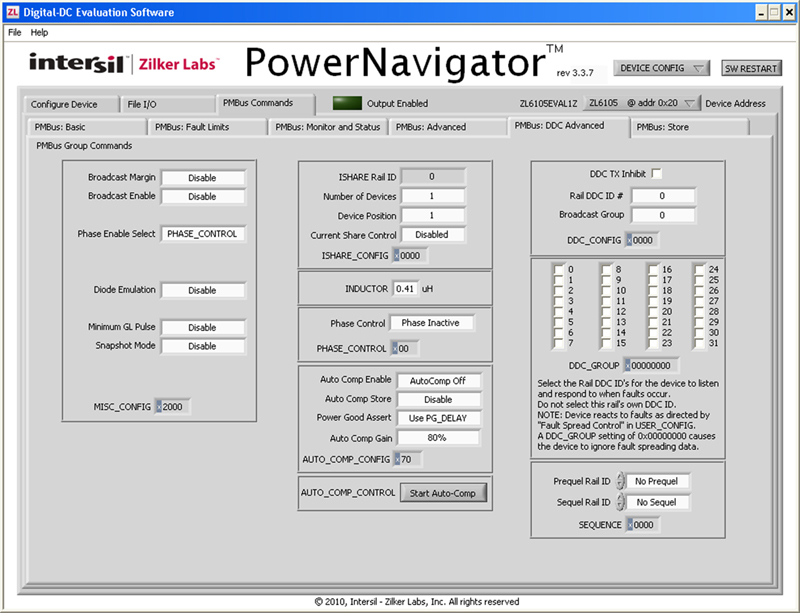
    Figure 1: GUI view of Auto Compensation page
    Stability is a critical operational requirement for power supplies. In regulated power supplies, the stability is controlled, by a large part, by the characteristics of the feedback path.
    . . . Learn More
    Date:
    01/01/2012
    Delivering Precision Performance

    Click image to enlarge

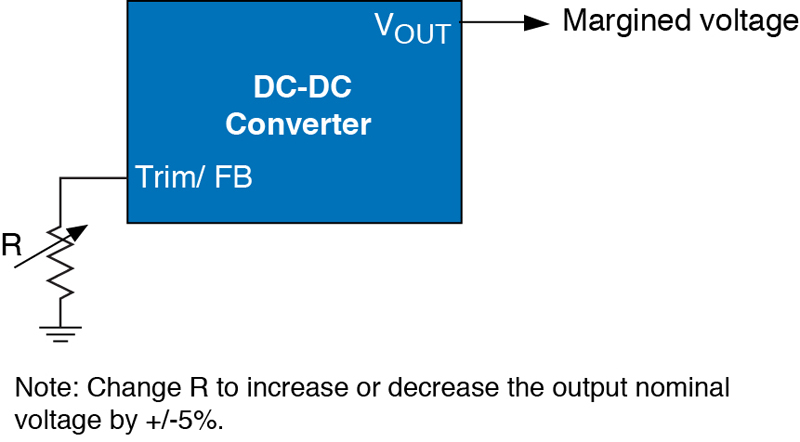
    Figure 1: Supplies are margined by changing the resistor connected to the Trim/FB node
    Modern microprocessors, FPGAs and other complex ICs require accurate power supply voltages, often more accurate, in fact, than the tolerances provided by commodity low-dropout regulators (LDOs)
    . . . Learn More
    Date:
    01/01/2012
    USB Modem Design
    With USB being a standard interface in PC peripherals, the number of applications that can be powered from a USB port is increasing at an exponential rate. The need for flexibility and continuous
    . . . Learn More
    Date:
    01/01/2012
    Keep on Running
    These days, people can't live without cell phones. This is not a monumental revelation to anyone who has been at an airport, a shopping mall, or a park watching their children play. We close business
    . . . Learn More
    Date:
    01/01/2012
    Antenna Tuning Technology
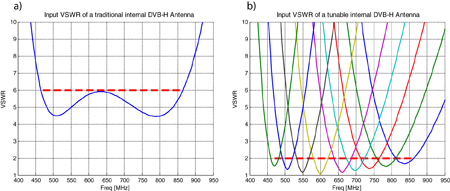
    Thinner form factors, mobile TV and the requirement for power efficiency are placing extreme demands on the antenna, requiring a new approach to keep calls on track and antennas inside the handset. Footprints
    . . . Learn More
    Date:
    01/01/2012
    Portable Efficiency
    The handset world is seeing a burgeoning need for memory storage. This article discusses memory trends and different methods of powering SD Flash memory. The need for memory is being driven
    . . . Learn More
    Date:
    01/01/2012
    Archive

    Transformer Design Comparisons for Mitigating EMI in Gate Driver Circuits

    Mar 29,2026
    Matthew Russell, Master’s student at University College Cork, and a student engineer at Bourns Electronics Ireland

    1250 V/1700 V GaN HEMTs for NVIDIA 800 VDC Architecture

    Jan 31,2026
    Kamal Varadarajan & Chris Lee, Power Integrations

    Future-Proof Automotive High-Voltage-to-SELV Conversion

    Dec 30,2025
    Greg Green, Director of Automotive Marketing, Vicor

    Power Systems Design

    146 Charles Street
    Annapolis, Maryland 21401 USA

    Power Systems Design

    Power Systems Design is a leading global media platform serving the power electronics design engineering community. It delivers in-depth technical content, industry news, and product insights to engineers and decision-makers developing advanced power systems and technologies.

    Published 12× per year across North America and Europe, Power Systems Design is distributed through online and fully digital editions, complemented by eNewsletters, webinars, and multimedia content. The platform covers key areas including power conversion, semiconductors, renewable energy, automotive electrification, AI power systems, and industrial applications—supporting innovation across the global electronics industry.