Industrial

    March 2012
    Inverter Efficiency

    Click image to enlarge

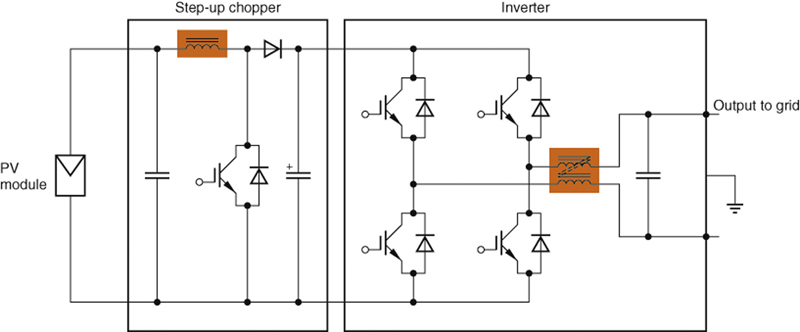
    At least two power reactors are needed for solar inverters: one in the boost converter (step-up chopper) and one at the ouput of the inverter for EMC filtering. Besides the IGBTs, the losses in the reactors are a major determining factor of the overall efficiency of the inverter
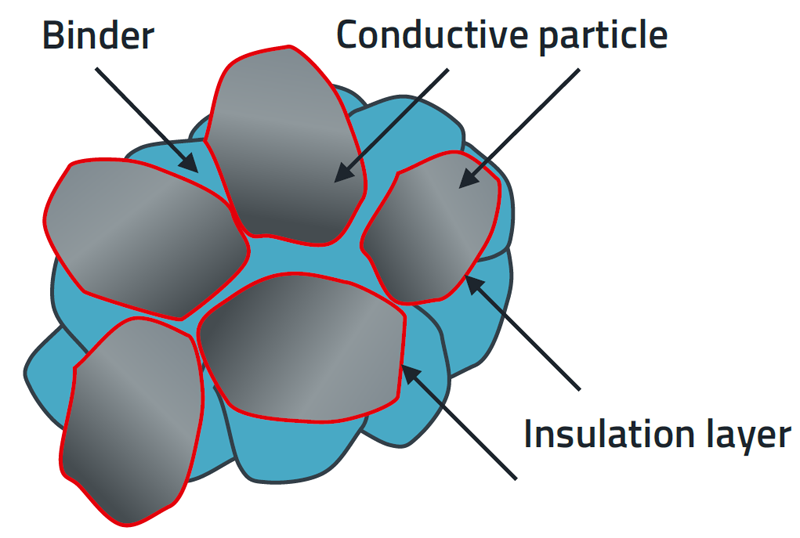
    Low-loss and high saturation flux density core materials in reactors and transformers are a key determining factor for the efficiency of inverters. The new TDK PE90 ferrite is a cutting-edge
    . . . Learn More
    Date:
    03/06/2012
    Efficient Power Protection

    Click image to enlarge

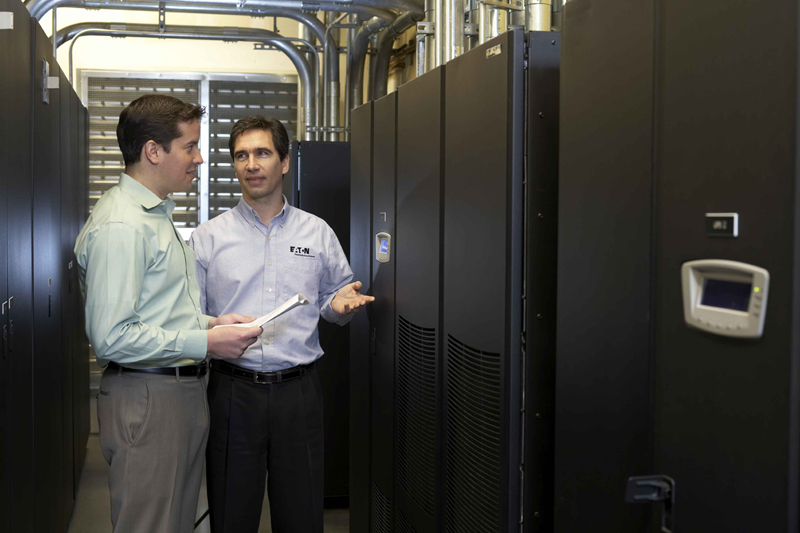
    Figure 1: NetRiver desired a solution capable of easily scaling to match its unpredictable future growth.
    NetRiver, the leading provider of collocation and interconnection services in the state of Washington, has been making data center managers green with envy — racking up hefty utility rebates, generating
    . . . Learn More
    Date:
    03/06/2012
    Wiring for Safety and Efficiency
    This article describes a unique spacer cable system designed to power an industrial renewable energy plant pipeline. When the L'Anse Warden Electric Company in Michigan's Upper Peninsula
    . . . Learn More
    Date:
    03/06/2012
    Multiphase DC/DC Converters

    Click image to enlarge

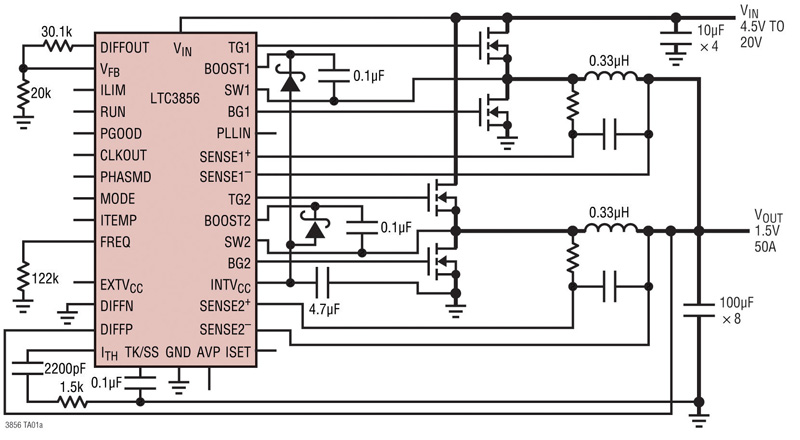
    Figure 1: High output current 1.5V/50A application schematic

    The data centers' incremental overhead power consumption, due to inefficiencies and cooling systems is estimated to be equal to the amount of power that is consumed by servers, storage and networking. The
    . . . Learn More
    Date:
    03/06/2012
    Industrial Control

    Click image to enlarge

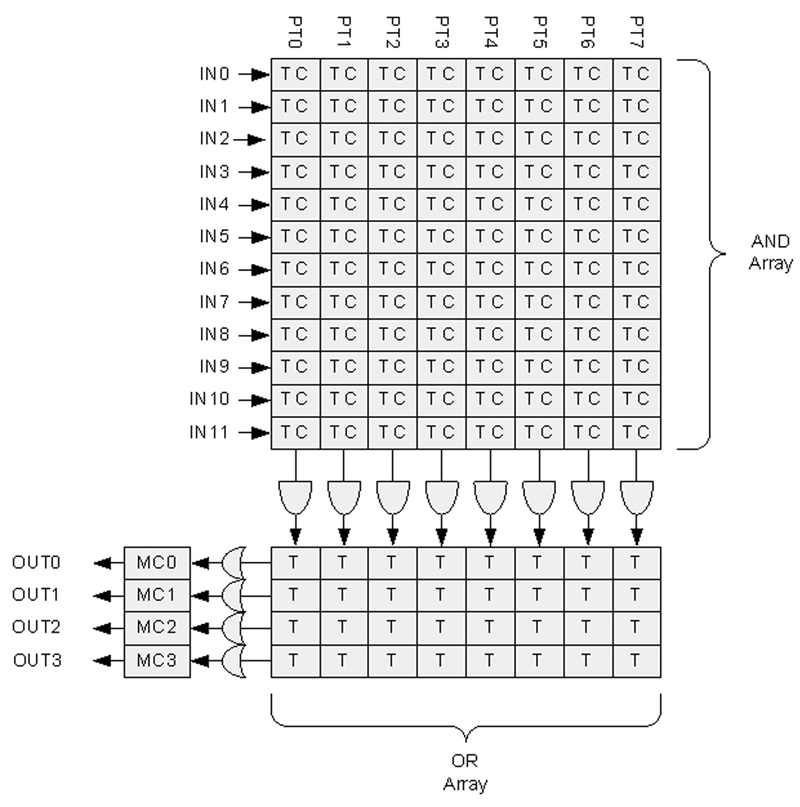
    Figure 1: Example PLD, with 12 inputs, 8 product terms and 4 macrocells
    PLDs can have hundreds of macrocells with up to 16 product terms driving each macrocell. The AND and OR gates within the product terms can be interconnected to form highly flexible custom logic functions. The macrocells are typically clocked, and their outputs can be fed back into the product term array. This allows state machines to be created.
    In most microcontroller architectures, there is a ‘smart' CPU surrounded by a set of relatively ‘dumb' peripherals. Peripherals have limited functions; converting data from one form to
    . . . Learn More
    Date:
    03/05/2012
    Industrial Applications Control

    Click image to enlarge

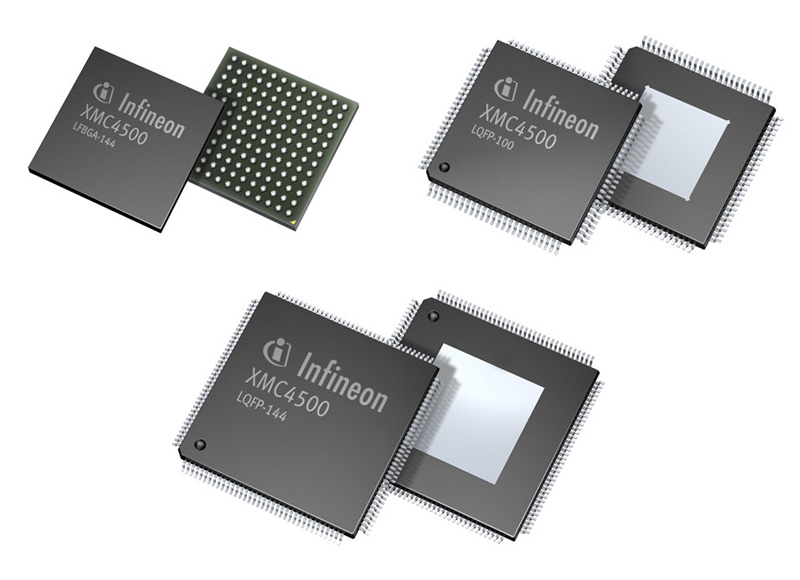
    Figure 1: With the new XMC4000 family - starting with the XMC4500 series - Infineon addresses three high-level trends for microcontrollers in industrial applications: higher energy efficiency, enhanced connectivity and reduced software complexity
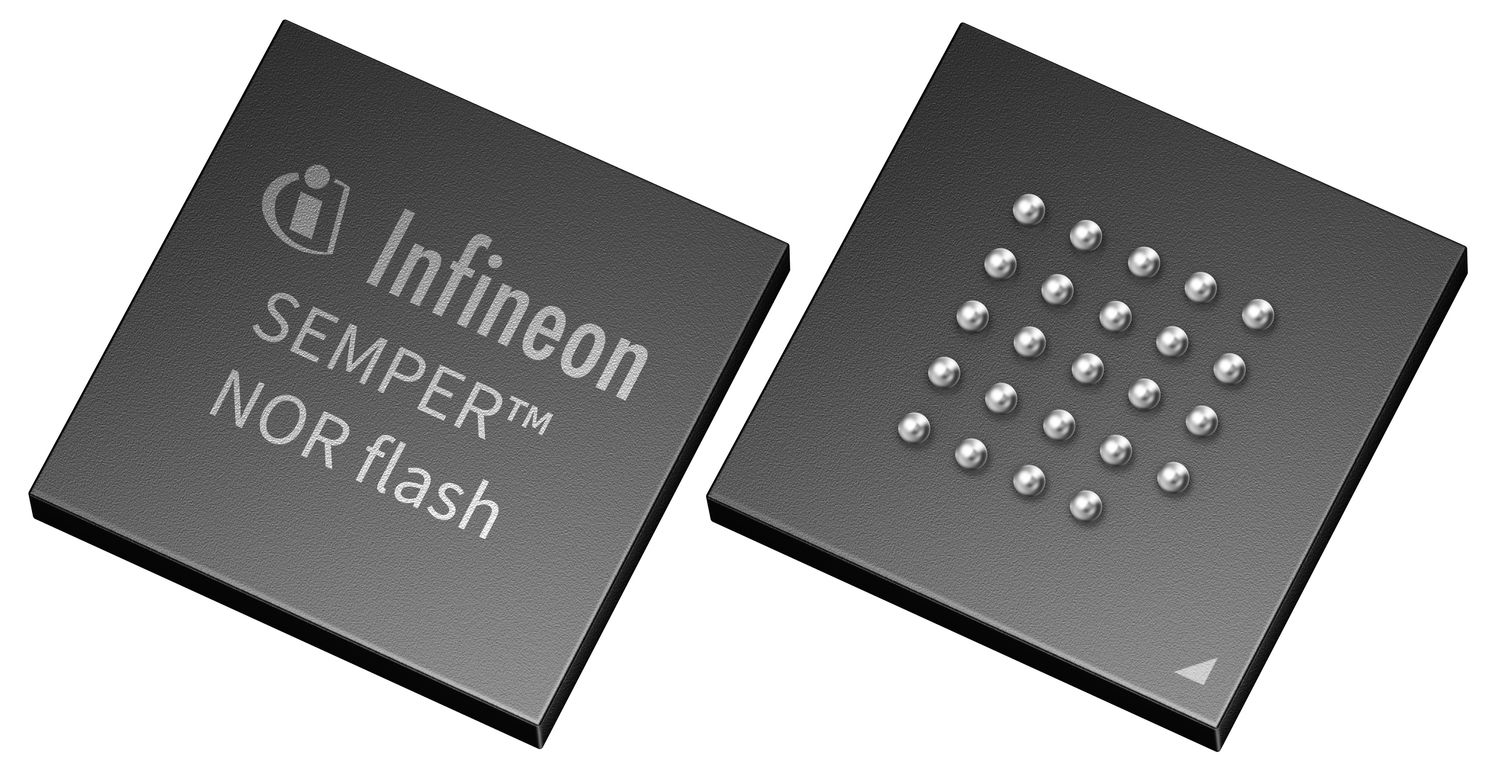
    Infineon has taken their wealth of know-how in microcontroller design for real-time critical control applications to combine it with all benefits of an industry standard core. The unique
    . . . Learn More
    Date:
    03/05/2012
    The Power Output Stage

    Click image to enlarge

    Figure 1

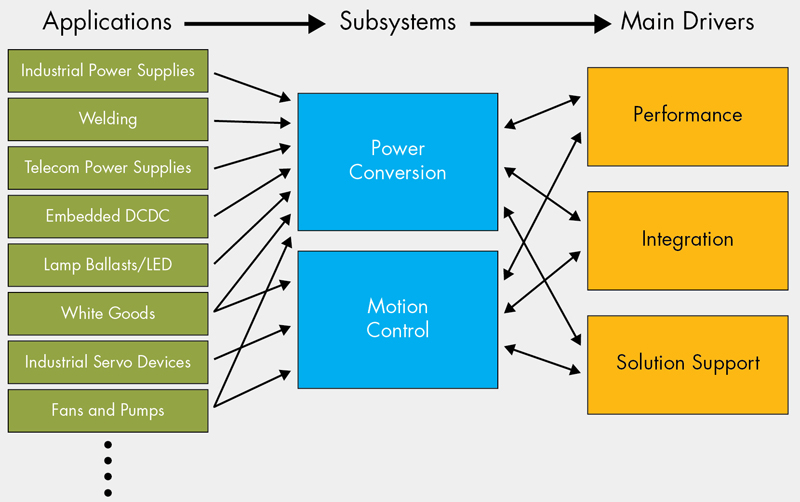
    Power electronics subsystems are often divided in a control and a power circuit, where the power output stage components strongly determine the characteristics of the whole application, like efficiency,
    . . . Learn More
    Date:
    03/05/2012
    Safe System Operation

    Click image to enlarge

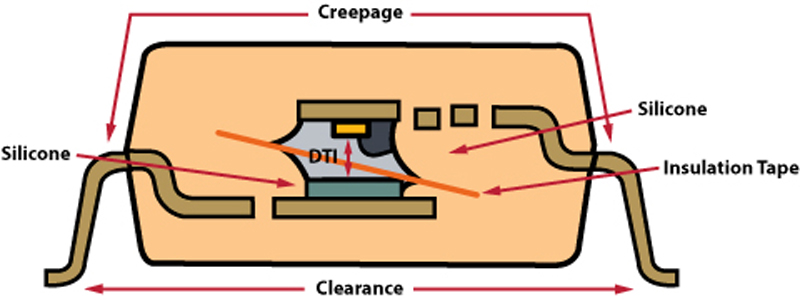
    Figure 1: Optocoupler Construction
    Isolation components such as optocouplers that are used in applications that have user safety issues as a key aspect must not fail under continuous high-working-voltage bias conditions. Safety
    . . . Learn More
    Date:
    03/03/2012
    Archive

    Power Systems Design

    146 Charles Street
    Annapolis, Maryland 21401 USA

    Power Systems Design

    Power Systems Design is a leading global media platform serving the power electronics design engineering community. It delivers in-depth technical content, industry news, and product insights to engineers and decision-makers developing advanced power systems and technologies.

    Published 12× per year across North America and Europe, Power Systems Design is distributed through online and fully digital editions, complemented by eNewsletters, webinars, and multimedia content. The platform covers key areas including power conversion, semiconductors, renewable energy, automotive electrification, AI power systems, and industrial applications—supporting innovation across the global electronics industry.