Technical Features

    March 2024
    Transformer Design Comparisons for Mitigating EMI in Gate Driver Circuits

    Click image to enlarge

    Figure 1: Gate driver circuit diagram with a Bourns transformer

    While gate driver-based converters deliver improved efficiency, speed and signal integrity, their high frequency switching features can produce elevated levels of conducted electromagnetic interference (EMI), posing challenges to electromagnetic compatibility (EMC) and overall system reliability. To solve this
    Date:
    03/29/2026
    Design Considerations for Medical Power Supplies

    Click image to enlarge

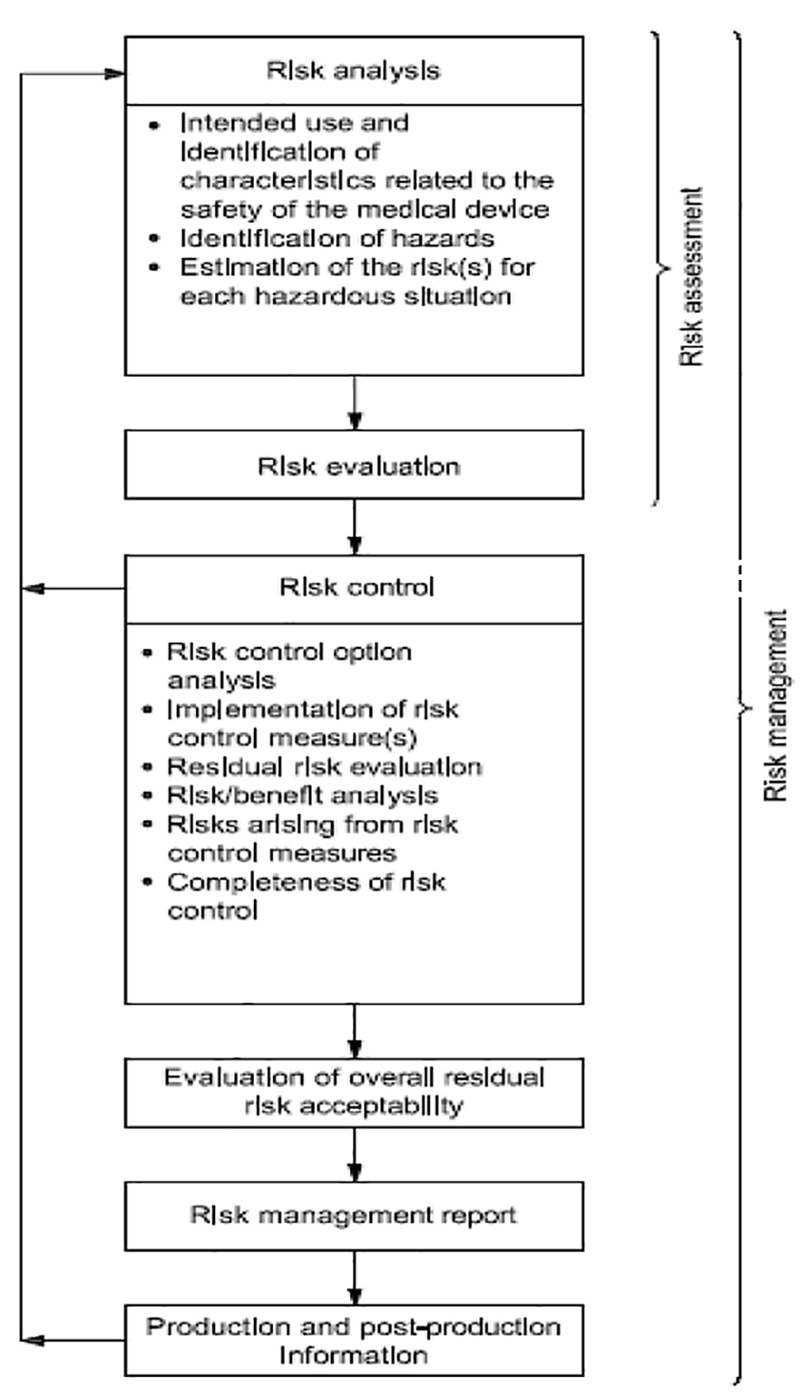
    Figure 1: A typical risk management process according to ISO 14971
    ­Medical equipment design is highly regulated, with safety being the main concern. However, the standards must cover a very wide range of equipment types and use environments, from battery-powered monitors to scanners consuming multiple kW and from operating theatres to analysis labs and ‘point of care’ se
    . . . Learn More
    Date:
    03/01/2024
    Analysis of SMPS and Rectification: Inductor Violations

    Click image to enlarge

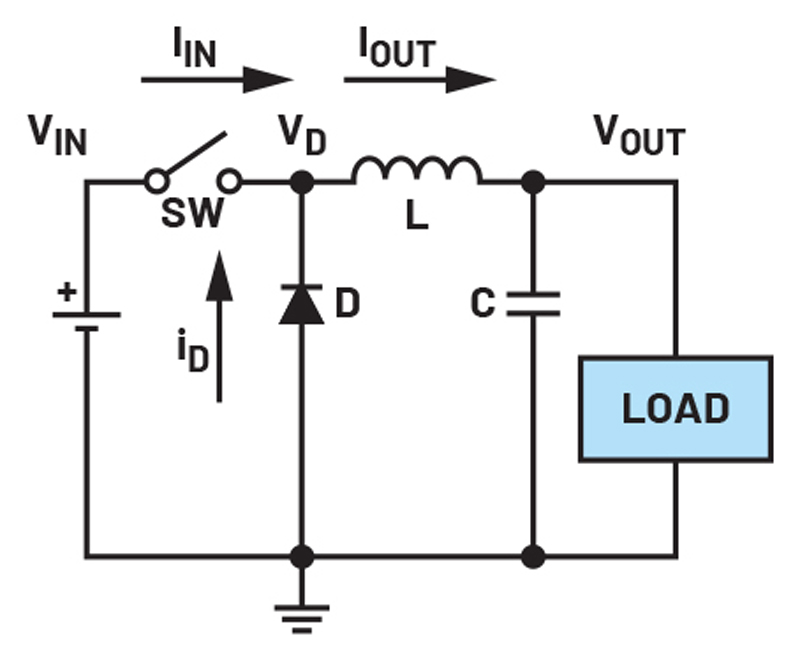
    Figure 1. Simplified buck converter power stage
    ­Every SMPS works by storing energy in an inductor and utilizing pulse width modulation (PWM) techniques to obtain the desired output. The guiding principle of these converters is the volt second balance law, which dictates that when operating in a steady state, over one period the average current of an inductor mu
    . . . Learn More
    Date:
    03/01/2024
    SiC Solutions Extend the Range of High-Power Applications

    Click image to enlarge

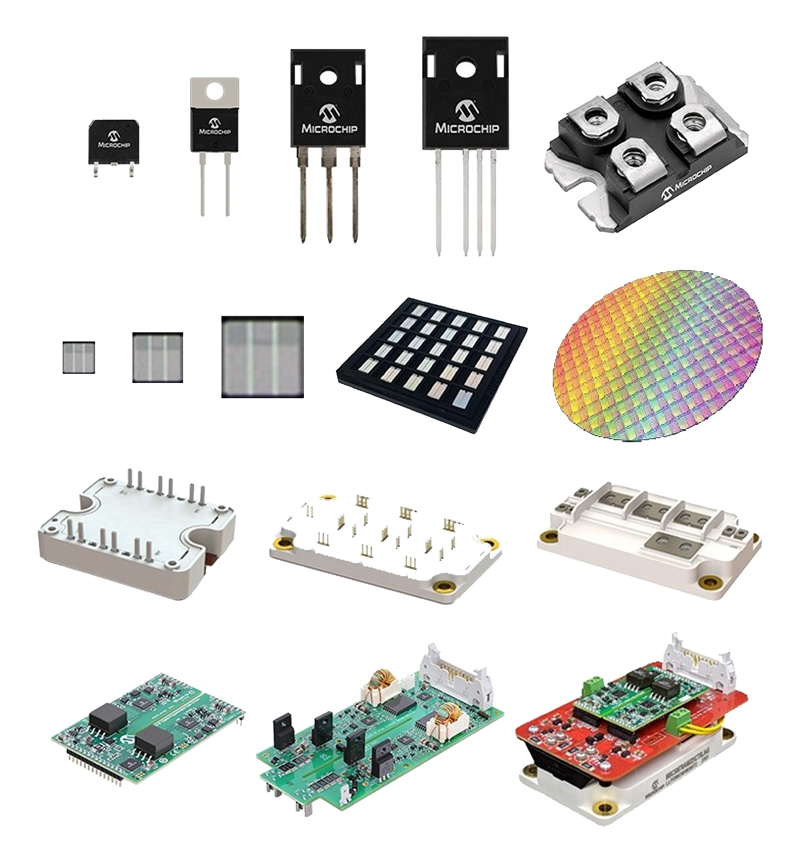
    Figure 1: Microchip’s SiC portfolio
    ­The demand for power devices is constantly increasing, driven by the impulse coming from sectors with major innovation such as e-mobility, renewable energy, and data centers. Power applications today have continuously more stringent requirements, linked above all to achieving higher efficiency (with consequent re
    . . . Learn More
    Date:
    03/01/2024
    Optimising Distributed Power Architectures with Programmable PoL Converter Current Limits

    Click image to enlarge

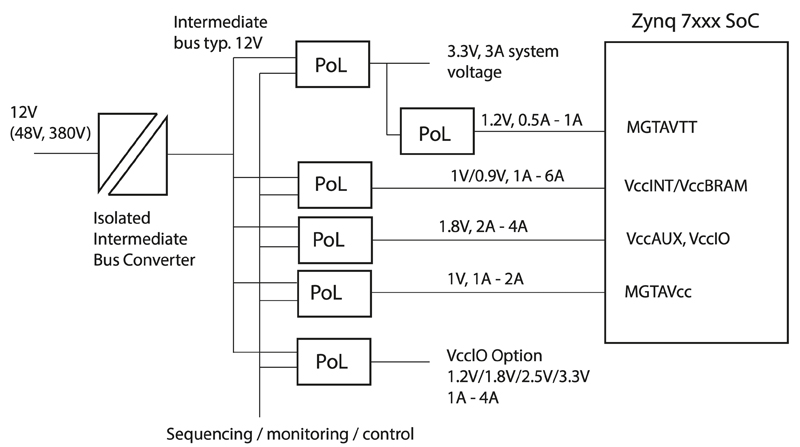
    Figure 1: A typical distributed power architecture using an intermediate bus and point of load converters, here the load is a Xilinx SoC device
    ­Even while accounting for DC power distribution, the disparity between input and output voltages gets larger, with supply rails often subject to wide variations, while the outputs, sometimes down to around 1V, must be ever-more accurate and disturbance-free. Power conversion in a single stage with isolation
    . . . Learn More
    Date:
    03/01/2024
    Maximizing Yield and Performance of Power Devices by Deep Learning

    Click image to enlarge

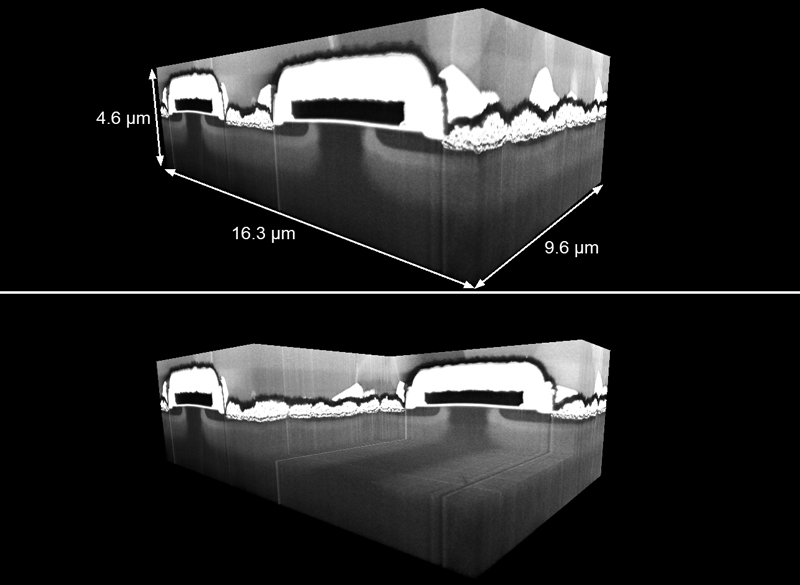
    Figure 1. Visualization of a FIB-SEM tomography datasets obtained from a SiC MOSFET samples. The top image shows the full volume, while the bottom one presents the same dataset with a cuboid of approximately one third of the volume cut away....
    ­Silicon carbide (SiC) MOSFETs have become predominantly used in power semiconductors, particularly for automotive applications. To support process development, improve manufacturing yield, and reduce sub-surface failures in finished products, engineers must understand the structure, dopant and junction profiles, an
    . . . Learn More
    Date:
    03/01/2024
    Advanced Simulation Optimizes Embedded Motor Design

    Click image to enlarge

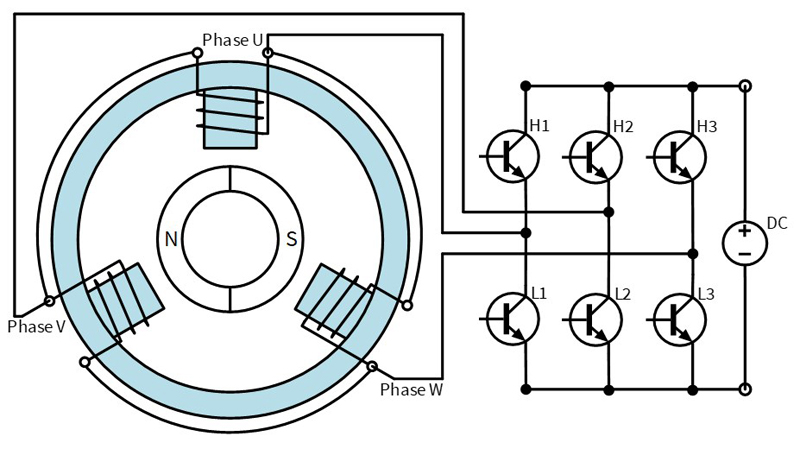
    Figure 1: Principle of BLDC- and PMSM-motor with a B6 Bridge
    ­In the past, the number of automotive applications driven by electrical motors increased from year to year. In the beginning, there were only a few applications such as brushed DC-motors, fuel pumps, windshield wipers, ABS, or window lifters, that were simply controlled by switches or relays. For these electrically dr
    . . . Learn More
    Date:
    03/01/2024
    Using an Automotive-Grade, Class-D Audio Amplifier to Improve a Vehicle's E-Call System

    Click image to enlarge

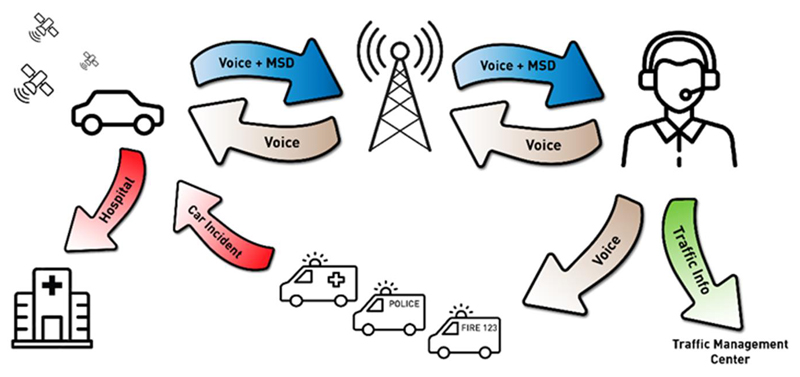
    Figure 1: E-Call System
    ­A recent study found that there was a causal relationship between how quickly someone is able to receive medical care and their chances of survival. To further lower mortality rates, intelligent transportation has led to the invention of the emergency call, also called an e-call, function. E-call systems
    . . . Learn More
    Date:
    03/01/2024
    ACF in a GaN World

    Click image to enlarge

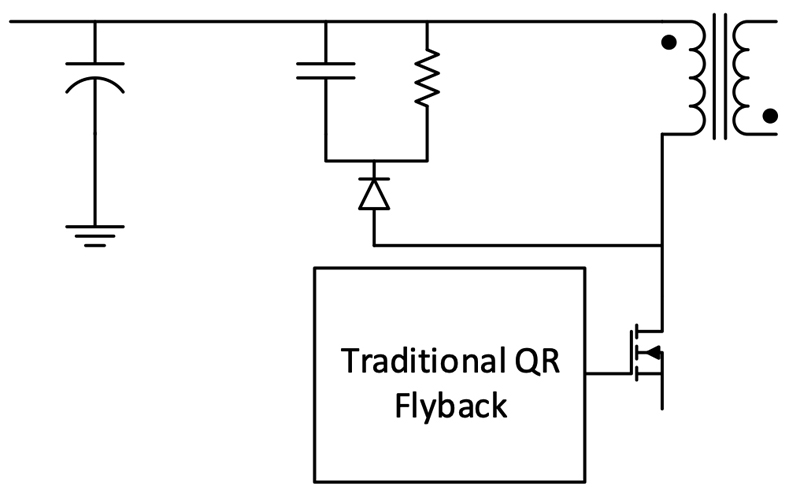
    Figure 1. Traditional QR flyback converter with protective RCD clamp
    ­Flyback topologies are often chosen for AC/DC conversion in low- to medium-power applications such as USB adapters and battery chargers. Among their inherent strengths, the transformer-based design provides galvanic isolation and facilitates a wide input voltage range. Moreover, the simplicity of the topology and
    . . . Learn More
    Date:
    03/01/2024
    Archive

    Transformer Design Comparisons for Mitigating EMI in Gate Driver Circuits

    Mar 29,2026
    Matthew Russell, Master’s student at University College Cork, and a student engineer at Bourns Electronics Ireland

    1250 V/1700 V GaN HEMTs for NVIDIA 800 VDC Architecture

    Jan 31,2026
    Kamal Varadarajan & Chris Lee, Power Integrations

    Future-Proof Automotive High-Voltage-to-SELV Conversion

    Dec 30,2025
    Greg Green, Director of Automotive Marketing, Vicor

    Power Systems Design

    146 Charles Street
    Annapolis, Maryland 21401 USA

    Power Systems Design

    Power Systems Design is a leading global media platform serving the power electronics design engineering community. It delivers in-depth technical content, industry news, and product insights to engineers and decision-makers developing advanced power systems and technologies.

    Published 12× per year across North America and Europe, Power Systems Design is distributed through online and fully digital editions, complemented by eNewsletters, webinars, and multimedia content. The platform covers key areas including power conversion, semiconductors, renewable energy, automotive electrification, AI power systems, and industrial applications—supporting innovation across the global electronics industry.