Technical Features
November 2016

Introduction
Large language models are revolutionizing how we access data and artificial intelligence (AI) advancements are disrupting how industries and societies use data center computing resources. Instead of typing keywords into a search engine, we are at the point where we can ask AI a question, much
. . . Learn More
Date:
04/29/2026
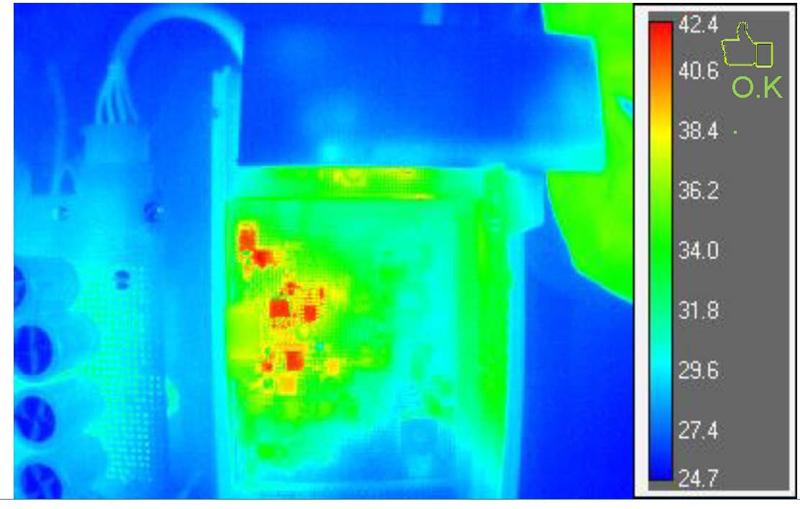
The thermal image of the demonstrator indicates a slight temperature increase for the active components when operating at peak load.
Rutronik has developed a revolutionary new hybrid energy storage system (HESS) in collaboration with the University of Applied Sciences Zwickau (WHZ). The combination of battery and ultracapacitor improves the peak current characteristics of the energy storage system, minimizes battery degradation significantly, an
. . . Learn More
Date:
11/30/2016
Driverless vehicles require sensors to be able to provide distance readings in relation to a vehicle ahead, behind or to the side to a central controller. Radar, laser, infrared and optical cameras, and ultrasound can all be used to gather data about other vehicles, the surroundings, and the road. Cameras are al
. . . Learn More
Date:
11/29/2016
Transportation systems can have input voltage ranges up to 14V (single battery automotive), 28V (dual battery trucks, busses, airplanes), or higher, and require one or more low voltage rails for digital systems. As a result, designs of such systems need to know how they can step down from high input voltages si
. . . Learn More
Date:
11/29/2016
In the popular usage of the term, “electric vehicles” are those whose propulsion systems are under at least partial electric power. Long touted as environmentally beneficial, hybrid vehicles such as Toyota’s Prius and Chevrolet’s Volt have been rather successful in capturing market share initially. Relative ne
. . . Learn More
Date:
11/29/2016
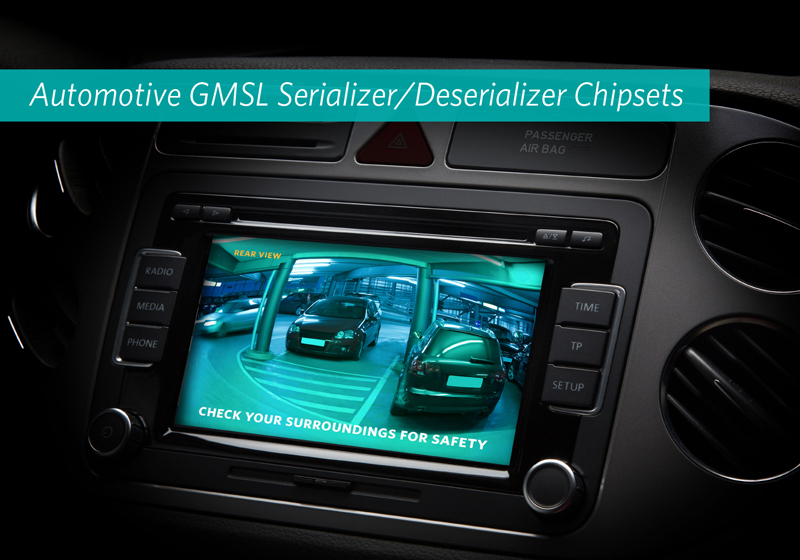
Maxim’s GMSL SerDes chipsets can be used to connect head-unit video data to rear-seat entertainment consoles.
As the auto industry continues pushing development of autonomous vehicles, cars are increasingly becoming sophisticated electronic systems on wheels. Take the Ford GT—with 10 million lines of code, this car surpasses the code volume of the Boeing 787 Dreamliner by 3 million lines!
Designing these systems c
. . . Learn More
Date:
11/29/2016
With consumer paranoia about security at an all-time high, does automotive software development need to up its game in the quality stakes? The recent collaboration between automotive manufacturers and internet providers in the creation of the autonomous vehicle has sparked great consumer interest in the development of
. . . Learn More
Date:
11/29/2016
Archive