Technical Features

    June 2024
    Transformer Design Comparisons for Mitigating EMI in Gate Driver Circuits

    Click image to enlarge

    Figure 1: Gate driver circuit diagram with a Bourns transformer

    While gate driver-based converters deliver improved efficiency, speed and signal integrity, their high frequency switching features can produce elevated levels of conducted electromagnetic interference (EMI), posing challenges to electromagnetic compatibility (EMC) and overall system reliability. To solve this
    Date:
    03/29/2026
    StrongIRFET™ 2 Power MOSFETs in 30 V are Ready for Future Applications

    Click image to enlarge

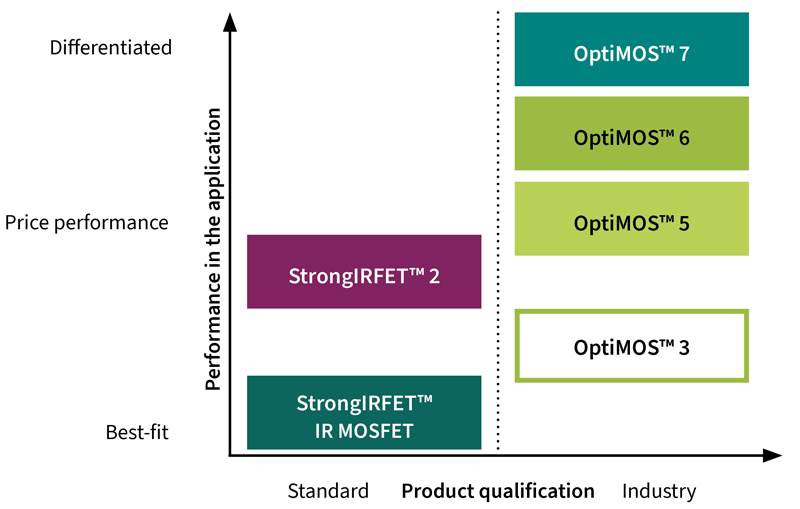
    Figure 1: StrongIRFET™ and OptiMOS™ power MOSFET portfolio
    ­The rapidly evolving world of electronics fuels the need for more efficient, powerful, and compact components. This drive for innovation extends to silicon power MOSFETs, where substantial efforts are dedicated to enhancing capabilities for a wide range of power electronic applications, including drives, switched
    . . . Learn More
    Date:
    06/28/2024
    A Modular Fault-Tolerant Multiphase Drive

    Click image to enlarge

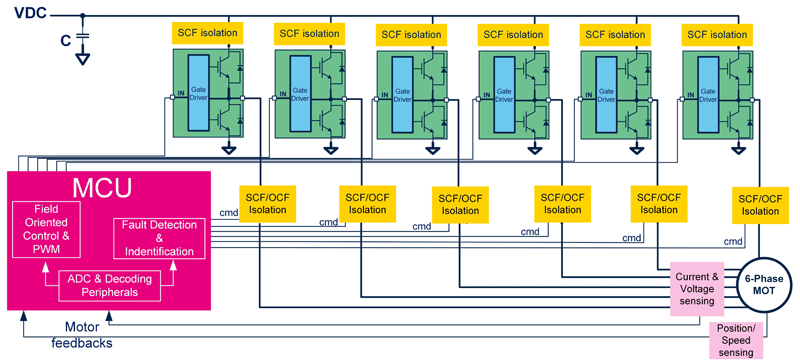
    Figure 1: Block diagram of a Modular six-phase Fault Tolerant drive
    ­Safety and reliability can be achieved if the electrical drive can identify and manage the fault, in the fastest way possible, ensuring the safe operations. Multiphase motor drives, like the system described in this article, can sustain multiple fault events maintaining performance comparable with normal conditions. This article d
    . . . Learn More
    Date:
    06/01/2024
    Automatic Motor Control Tests Reduce Costs and Minimize Risk

    Click image to enlarge

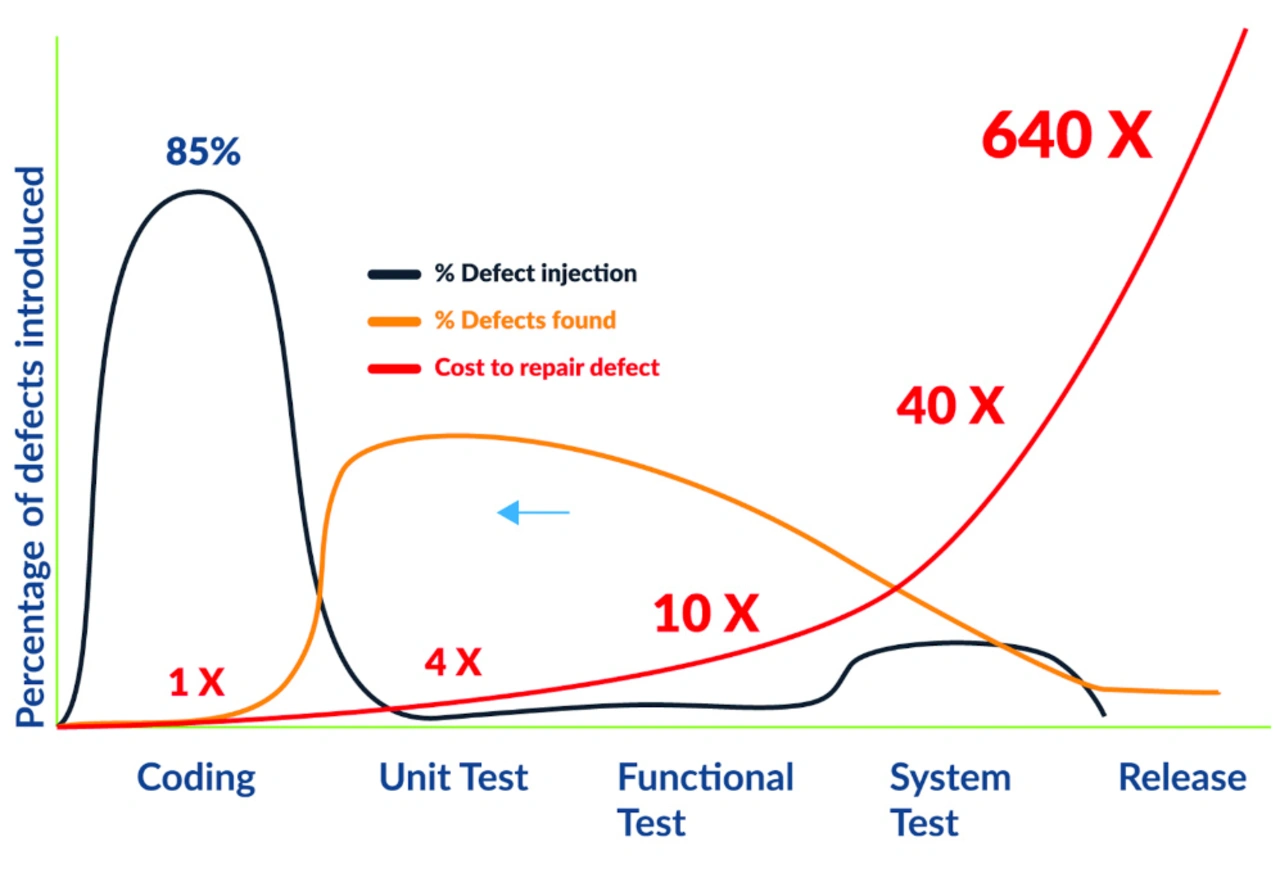
    Figure 1: Applied Software Measurement: Global Analysis of Productivity and Quality, Casper Jones, 2008

    ­Quality assurance stands as a pivotal aspect of software and hardware development, especially when it comes to embedded motor control applications. However, testing to ensure automotive quality tends to be labor-intensive and time-consuming, frequently sidelined in practice. As a result, critical errors are of
    . . . Learn More
    Date:
    06/01/2024
    Rise of the Cobots

    Click image to enlarge

    Figure 1 - Cobots offer a vast potential to improve the efficiency of industrial processes
    Robots are nothing new. Indeed, the first industrial robot was first developed some 70 years ago in 1954 for the automotive industry. The increasing adoption of robots promises vast potential benefits to productivity and efficiency not just in manufacturing but across a wide range of industries. However, a major i
    . . . Learn More
    Date:
    06/01/2024
    Transitioning from Conventional AGVs to More Autonomous Alternatives

    Click image to enlarge

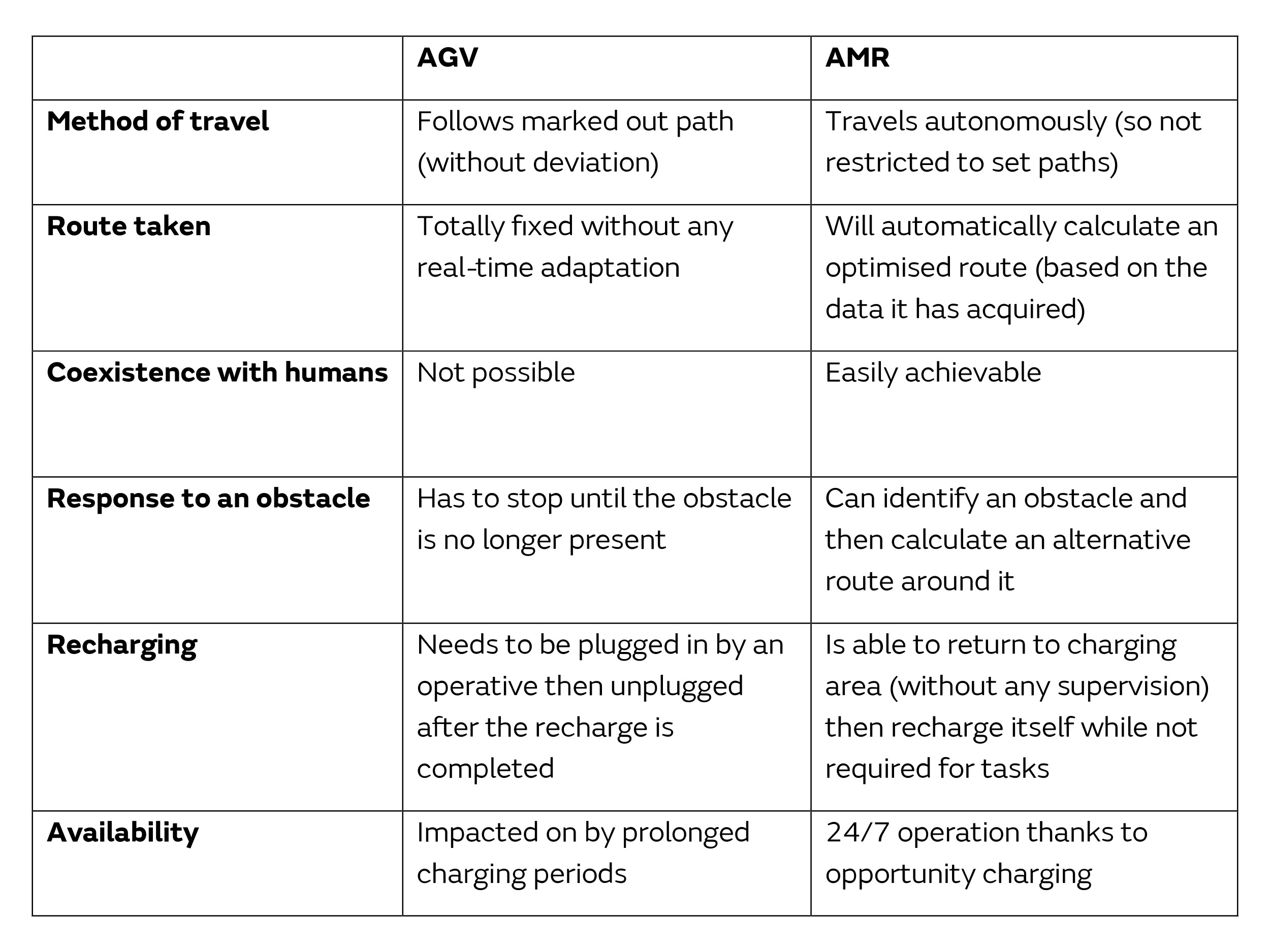
    Figure 1: The key difference between AGVs and AMRs

    Through increased levels of automation, not only can the expense of having human operatives conduct laborious tasks be avoided, but numerous other benefits may also be derived - with facilities able to run round the clock, the elimination of costly errors, and greater safety being among them. Furthermore, staff ca
    . . . Learn More
    Date:
    06/01/2024
    The Real Benefits of RTK for Engineers

    Click image to enlarge

    Figure 1: Faction Delivery Vehicles rely on Point One Navigation’s RTK Correction services to know where they are and where they are going
    In today’s engineering tasks, location precision is more critical than ever — particularly when it comes to accurately measuring geospatial positioning. From construction and farming to building and operating autonomous vehicles, pinpoint accuracy is critical for safety and efficiency. Whether using drones to
    . . . Learn More
    Date:
    06/01/2024
    Avoiding Pitfalls in Unregulated Intermediate Bus Converters

    Click image to enlarge

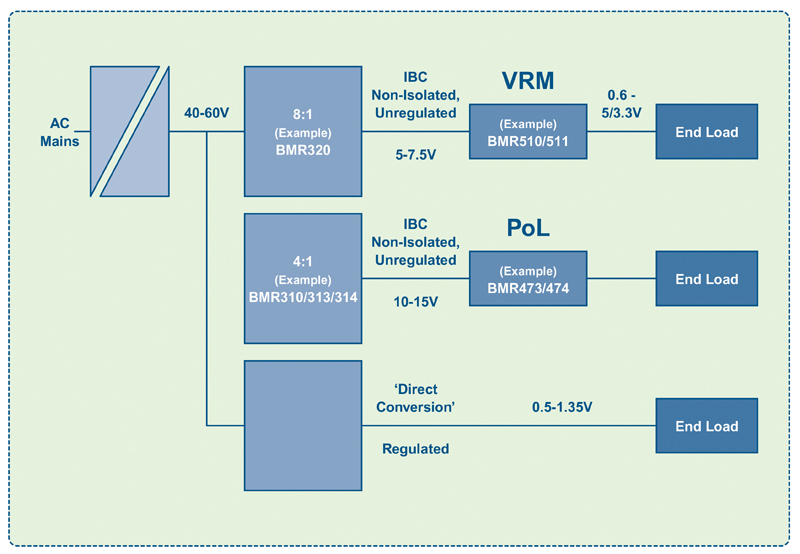
    Figure 1: DC-DC converter architectures
    ­The demand for data centers continues to grow at a remarkable pace – with AI the latest boom. While the energy efficiency of computing hardware is steadily improving, the electricity used by data centers is forecast to double by 2026. This means that there is increasing pressure on power supply systems to im
    . . . Learn More
    Date:
    06/01/2024
    Advances in Capacitors for Logic-Level to Medium-Power Applications

    Click image to enlarge

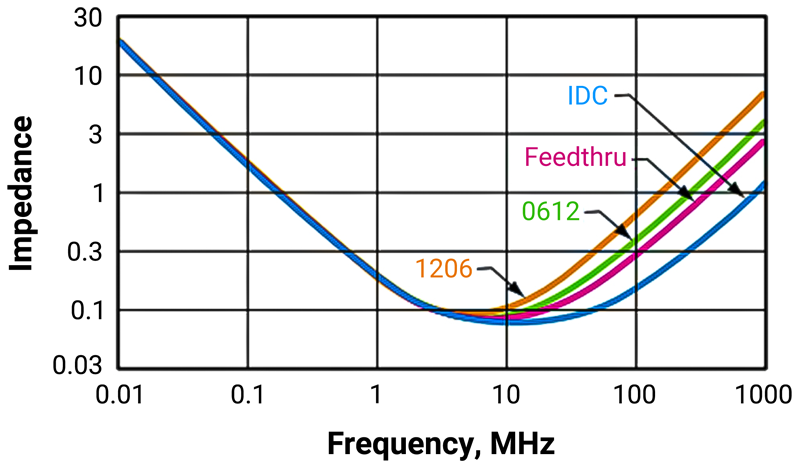
    Figure 1: This graph illustrates how reduced inductance impacts capacitor performance
    ­Semiconductors aren’t the only components that made significant strides in recent years. Capacitors — including multilayer ceramic capacitors (MLCCs), tantalum polymer capacitors, and supercapacitors — have also made impressive and impactful improvements that can greatly affect power delivery and conversion as
    . . . Learn More
    Date:
    06/01/2024
    Defining the Future of Edge Computing Using Micro Data Centers

    Click image to enlarge

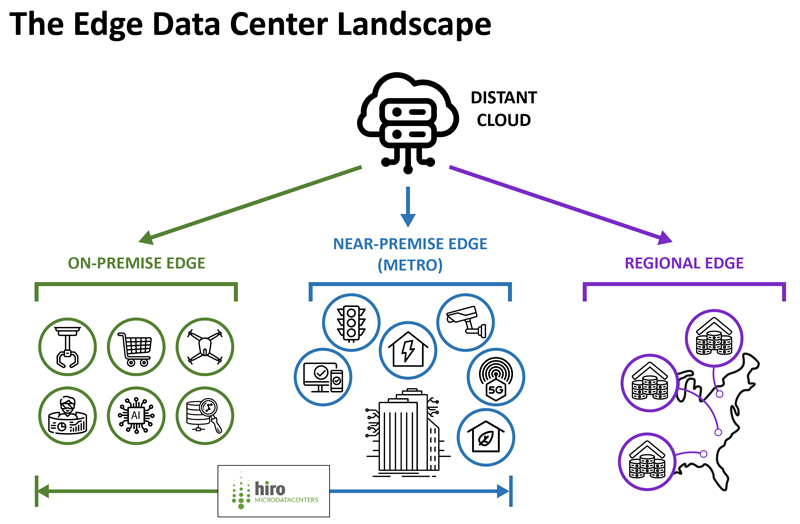
    Figure 1. The edge data center landscape (HIRO 2023)
    ­Edge computing refers to the production and consumption of data at the edge of the internet. There, engineers are busy connecting groups of things, and even complete network environments, and equipping them with sensing, data and AI-processing capabilities. Data flows across the entire network landscape and Ed
    . . . Learn More
    Date:
    06/01/2024
    Archive

    Transformer Design Comparisons for Mitigating EMI in Gate Driver Circuits

    Mar 29,2026
    Matthew Russell, Master’s student at University College Cork, and a student engineer at Bourns Electronics Ireland

    1250 V/1700 V GaN HEMTs for NVIDIA 800 VDC Architecture

    Jan 31,2026
    Kamal Varadarajan & Chris Lee, Power Integrations

    Future-Proof Automotive High-Voltage-to-SELV Conversion

    Dec 30,2025
    Greg Green, Director of Automotive Marketing, Vicor

    Power Systems Design

    146 Charles Street
    Annapolis, Maryland 21401 USA

    Power Systems Design

    Power Systems Design is a leading global media platform serving the power electronics design engineering community. It delivers in-depth technical content, industry news, and product insights to engineers and decision-makers developing advanced power systems and technologies.

    Published 12× per year across North America and Europe, Power Systems Design is distributed through online and fully digital editions, complemented by eNewsletters, webinars, and multimedia content. The platform covers key areas including power conversion, semiconductors, renewable energy, automotive electrification, AI power systems, and industrial applications—supporting innovation across the global electronics industry.