Technical Features

    March 2020
    Transformer Design Comparisons for Mitigating EMI in Gate Driver Circuits

    Click image to enlarge

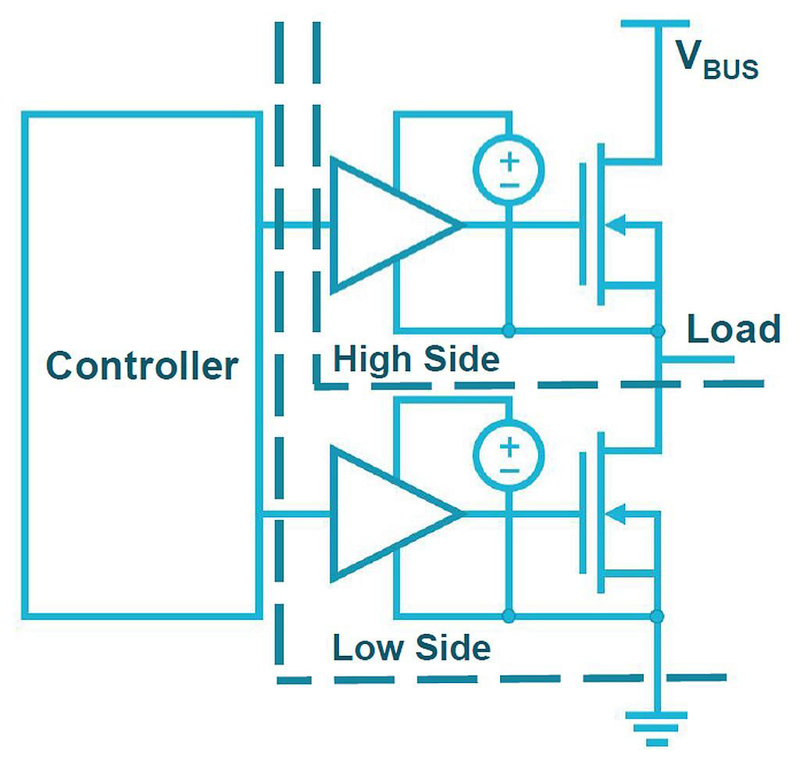
    Figure 1: Gate driver circuit diagram with a Bourns transformer
    While gate driver-based converters deliver improved efficiency, speed and signal integrity, their high frequency switching features can produce elevated levels of conducted electromagnetic interference (EMI), posing challenges to electromagnetic compatibility (EMC) and overall system reliability. To solve this
    Date:
    03/29/2026
    GaN and 48 V – Where are We and Where are We Going?

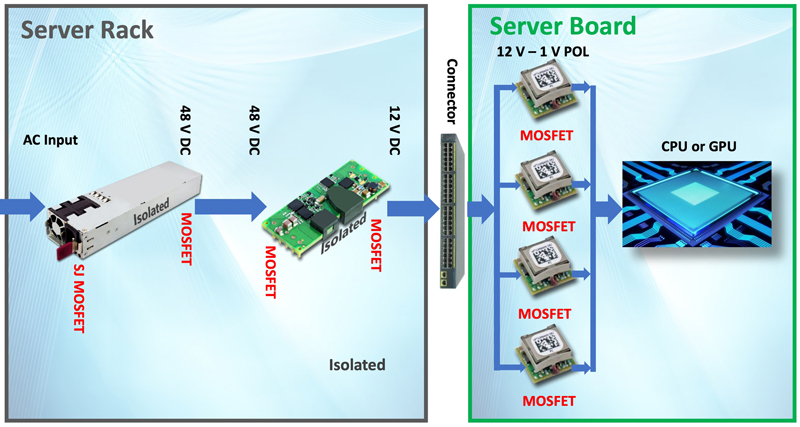
    Figure 1: Si MOSFET-based architecture for providing AC power to the CPU or GPU
    Three years ago, the cost of making medium voltage eGaN FETs fell below the cost of equivalently rated power MOSFETs.  At that time EPC decided to use the performance and cost advantages of eGaN FETs to aggressively pursue applications with input, or output, voltage around 48 V. Specifically, automotive an
    . . . Learn More
    Date:
    03/31/2020
    Trends in Electromagnetic & Magnetic Components

    Click image to enlarge

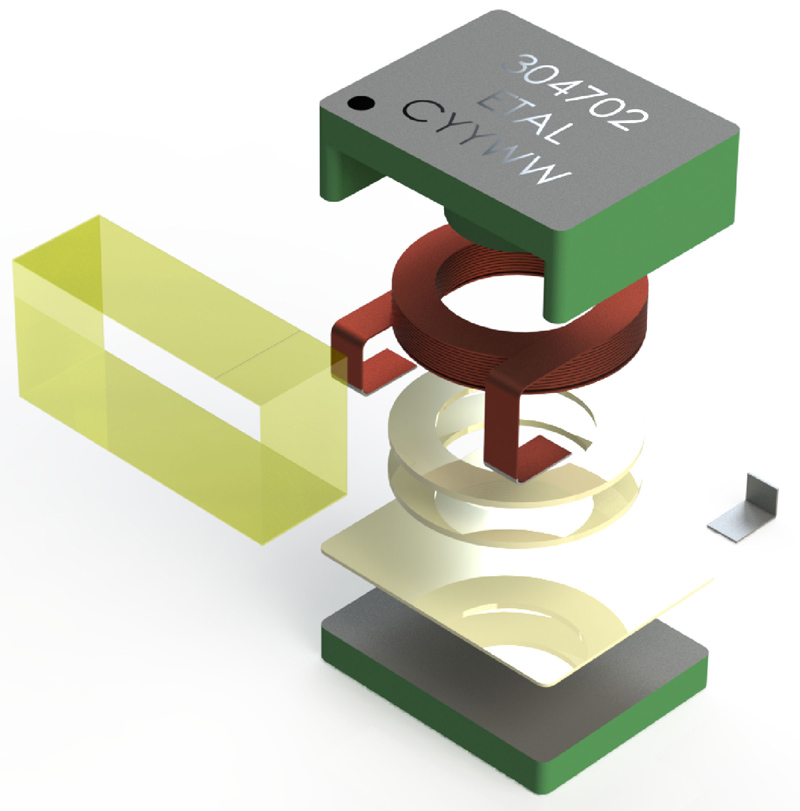
    Figure 1 - Complete 3D CAD tool suites offer capability to create production level drawings
    For many designers these magnetic and electromagnetic components are considered very “low tech”. The reality is, however, that much technology and know-how is applied to designing and constructing these passive components: moving their capability inexorably forward. Technological developments - energy
    . . . Learn More
    Date:
    03/30/2020
    Powering Processors and FPGAs with the New TDK µPOL

    Click image to enlarge

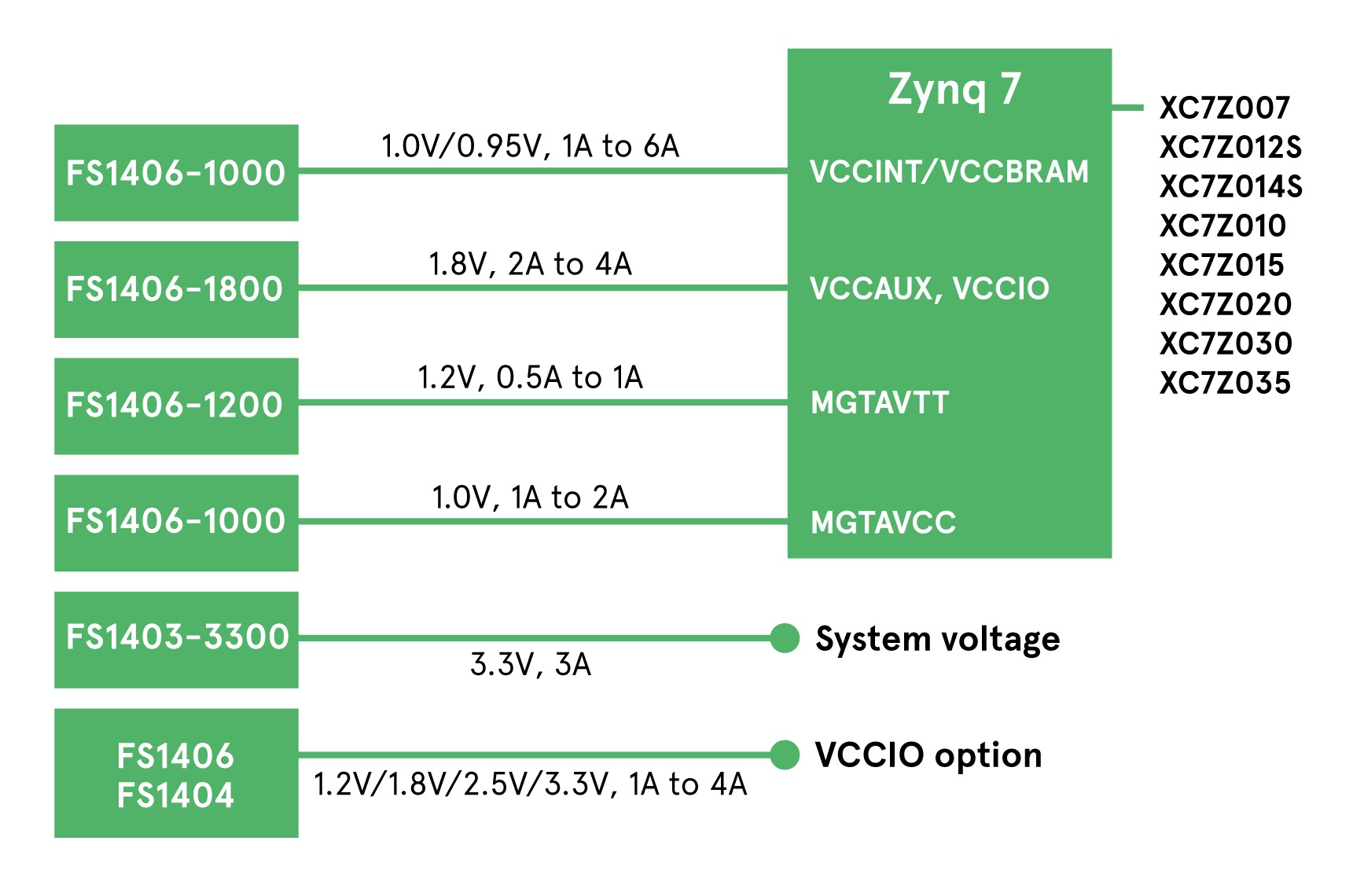
    Figure 1: A typical ‘power tree’ for a Xilinx Zynq 7 device
    Minimising power consumption is a high priority and in digital devices, it is directly related to voltage swing and data rates. Consequently, supply voltages have steadily reduced from 5V to sub-1V with sub-sections of devices having separate supply rails: processor cores between 0.56V to 0.88V on next generation 7n
    . . . Learn More
    Date:
    03/30/2020
    Eco-Sustainability Using Pressure-less Silver Sintering

    Click image to enlarge

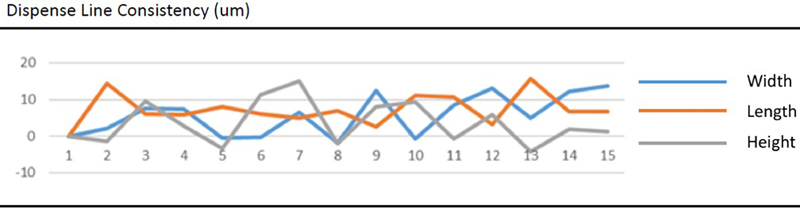
    Figure 1. Dispense Line Consistency (um)
    Silver sintering provides a void-free strong bond with superior thermal and electrical conductivity. It can decrease the junction temperature (Tj) of a device up to 100°C. In the process, when the material is heated under optimal pressure, temperature and time, its form will change from powder to a solid structure. Th
    . . . Learn More
    Date:
    03/30/2020
    SiC Semiconductors Towards an Energy Efficient Auto Industry

    Click image to enlarge

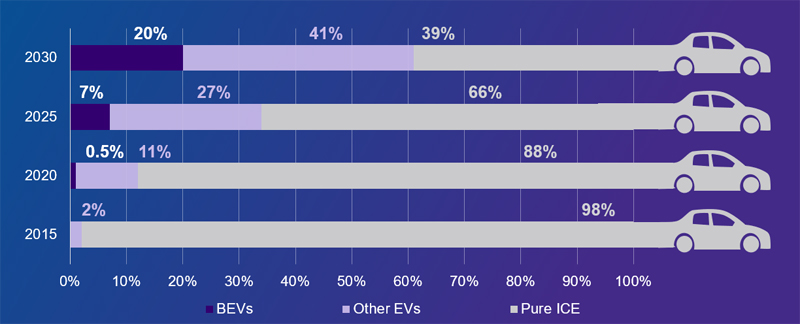
    Figure 1. The above graph shows the strong growth opportunity at hand as emission standards drive a significant shift to battery electric vehicles. (Source: Yole and Cree estimates)

    It’s no secret that the automotive industry is striving for "zero emissions" transportation, which means manufacturers are rapidly ramping up their electrification programs. Most OEMs target 2025 for significant sales volumes of battery and hybrid electric vehicles (BEV and HEV). To meet customer ex
    . . . Learn More
    Date:
    03/30/2020
    CES 2020: The Power Behind the Robot

    Click image to enlarge

    Figure 1. A baby-faced service robot on the CES 2020 show floor. (Picture courtesy of Reno Rossetti)
    At this year’s CES 2020 in Las Vegas, service robots where a big hit on the show floor. It’s easy to understand why: they look and are, indeed, exotic. Among the automated machines I saw at CES: Samsung’s Ballie, a personal assistant the size of a tennis ball that rolls on the floor, following its owner an
    . . . Learn More
    Date:
    03/30/2020
    The Ethernet of Things

    Click image to enlarge

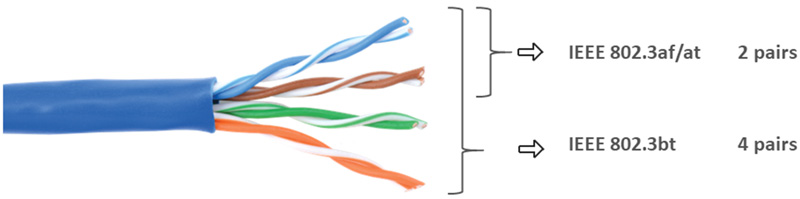
    Figure 1. Twisted pairs in an Ethernet cable powered by Power over Ethernet
    Wireless technology continues to expand into more applications, delivering higher data rates, lower power and superior coverage. Wired Ethernet connections may seem like ancient technology sitting in the rear-view mirror beside fax machines, dialup modems and dot matrix printers. Yet Ethernet, with its low latency, de
    . . . Learn More
    Date:
    03/30/2020
    Making Cables Safer

    Click image to enlarge

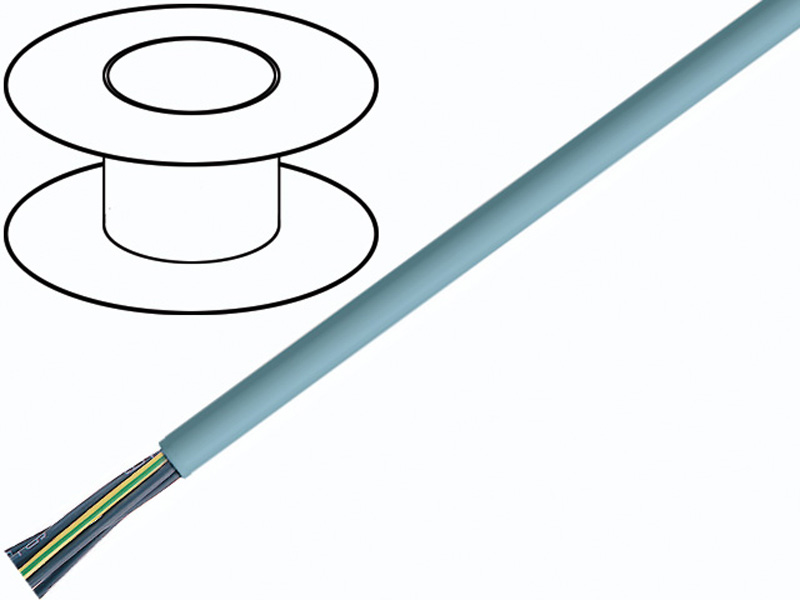
    Figure 1: LAPP’s Ölflex Classic control cables include the flame-retardant 130H version, which is suitable for facilities that face high fire risks.
    Power, control and communication cables have undoubtedly contributed to the spread of many fires due to their flammability and prevalence throughout buildings. Defective cabling can also be an ignition source. To improve success in evacuating burning buildings and quickly extinguishing fires, the European Union (E
    . . . Learn More
    Date:
    03/30/2020
    Selecting a Power Supply for Operation on Three-Phase Input

    Click image to enlarge

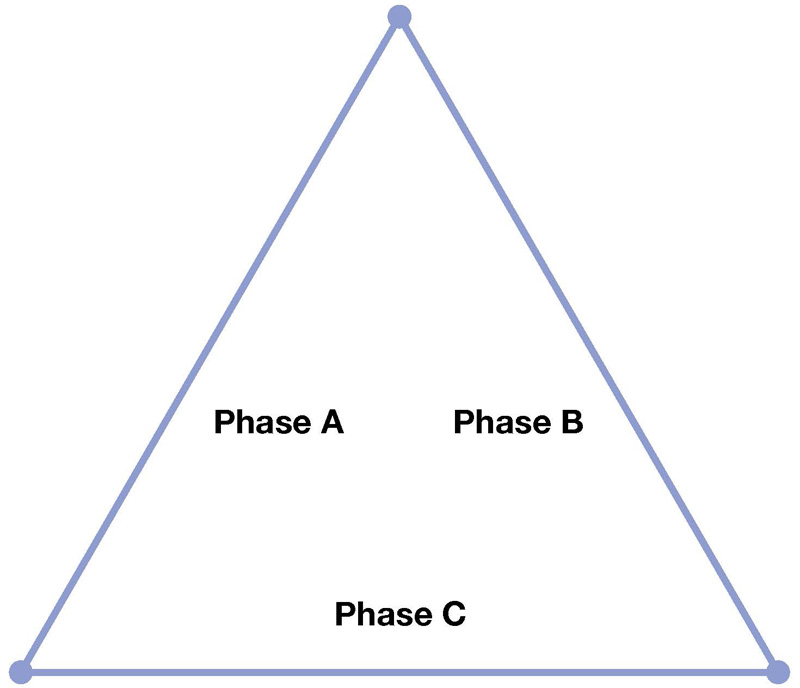
    Figure 1: Delta configuration
    Power supplies with a rated output of greater than 2,500W often require, or have an option for, a high voltage three phase AC input. A load of 3,000W, for example, operating from a single phase 230Vac input will consume 13A (3000W / 230V = 13A). The same load operating from a 400Vac three phase input will draw jus
    . . . Learn More
    Date:
    03/30/2020
    Hybrid Regulated Ratio Tech for Intermediate Bus Converters

    Click image to enlarge

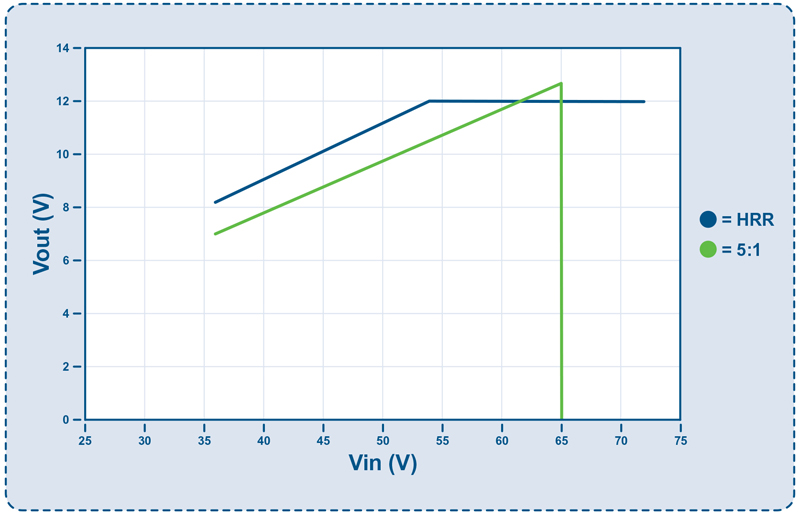
    Figure 1: HRR operation is similar to fixed ratio at lower Vin, but limits Vout at higher values of Vin
    When designing the distributed power architecture for applications such as data centers, an isolated intermediate bus converter (IBC) might be used to take a nominal 48V or 54V input and generate a 10V to 12V bus for one or more downstream point-of-load (PoL) converters. In the past, there have been broadly tw
    . . . Learn More
    Date:
    03/30/2020
    FPGA Power System Management

    Click image to enlarge

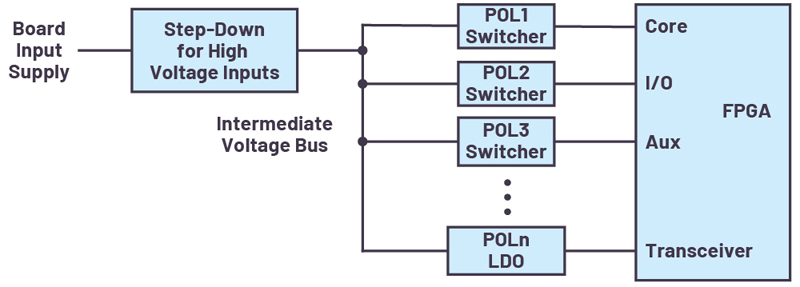
    Figure 1. One possible FPGA power tree: a high voltage input supply (for example, 12 V, 24 V, or 48 V) is stepped down to an intermediate voltage bus feeding the POL regulators that power the FPGA
    Since the 1980s, FPGA resources, speed, and efficiency have improved rapidly, making FPGAs the go-to solution for a wide variety of computing and processing applications, especially when production volume doesn’t justify application-specific integrated circuit (ASIC) development costs. FPGAs have advanced to
    . . . Learn More
    Date:
    03/30/2020
    Smart Connected Sensors Drive Innovation at the Factory

    Click image to enlarge

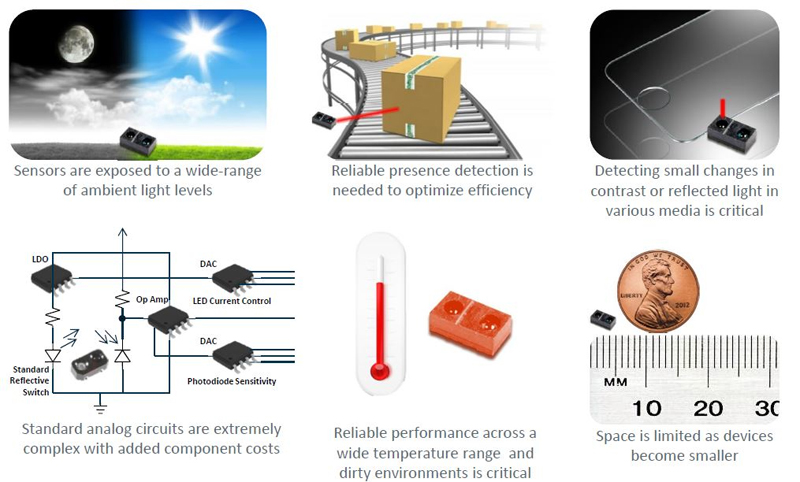
    Figure 1. Sensors must offer versatility for broad applicability

    Connected devices and smart equipment are streamlining manufacturing and supply chain processes on a global scale. Smart sensors are at the heart of this movement, driving change by extending the inherent capabilities of legacy sensors. Today, sensor technology that merely collected, stored and monitored data ca
    . . . Learn More
    Date:
    03/30/2020
    Supercapacitors Deliver Reliable Warehouse Automation Power

    Click image to enlarge

    Figure 1a. Example voltage and current discharge curves for 10 kW discharge from one module with 56 V float voltage
    Warehouse automation systems include robots, high speed shuttles and pallet movers used extensively in warehouses, storage facilities, and manufacturing plants to pick, transport, and place materials at various locations within a building. Efficient use of power throughout these systems ensure logistics companies pr
    . . . Learn More
    Date:
    03/30/2020
    Switches: Critical to Modern Industrial Sensors

    Click image to enlarge

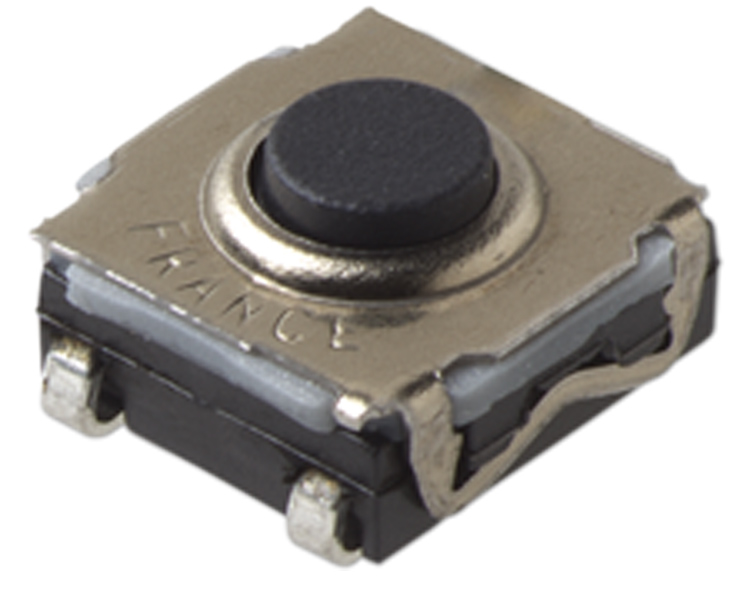
    Figure 1. Rated to IP67, the KSC3 series sealed tact switch offers positive adaptable tactile feeling
    Machines can now outperform their human counterparts in activities that range from parts assembly to more cognitive tasks including self-learning algorithms for data mining and pattern recognition. At the center of this new industrial revolution are sensor switches that can simplify both factory and process au
    . . . Learn More
    Date:
    03/30/2020
    Isolated, Nonisolated ±12 V Outputs from 30 V to 400 V Input

    Click image to enlarge

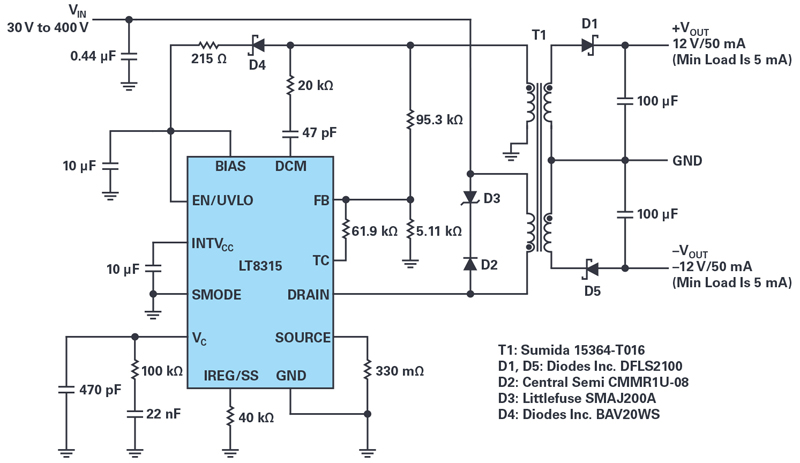
    Figure 1. A complete ±12 V/50 mA isolated flyback converter for a wide input range, 30 V to 400 V.
    Electric vehicles, large-scale battery storage stacks, home automation, industrial, and telecom power all require converting high voltages to ±12 V, where dual polarity rails are required for powering amplifiers, sensors, data converters, and industrial process controllers. One challenge in all of these systems is
    . . . Learn More
    Date:
    03/02/2020
    Powering the Next Sophisticated AI System

    Click image to enlarge

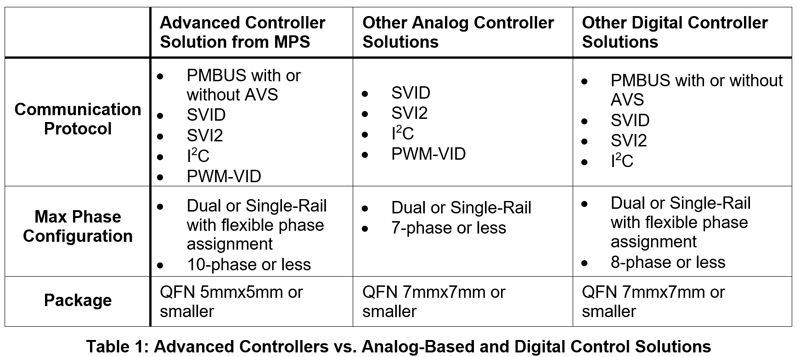
    Table 1: Advanced Controllers vs. Analog-Based and Digital Control Solutions
    AI systems imitate the human brain’s capacity to learn and solve problems. They accomplish this with computer-based “neural” networks consisting of parallel processors that run complex learning and execute software algorithms. Today’s AI is revolutionizing computing architecture to replicate neural
    . . . Learn More
    Date:
    03/02/2020
    How to Improve Thermal Performance of Ignition IGBTs

    Click image to enlarge

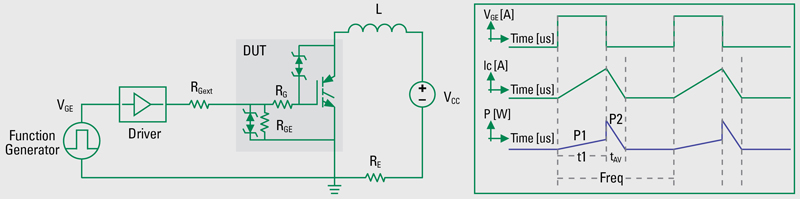
    Figure 1. Simplified schematic of the Ignition IGBT test circuit and the resulting IGBT gate voltage, collector current, and dissipated power. P1 is the ON-state power loss and P2 is the discharging cycle power loss
    As a result of greater pollution and more stringent regulations, electric and hybrid research and development includes developments in more efficient internal combustion engines and alternative fuels. While the all-electric vehicle is considered the leading solution to eliminate pollutants from vehicles, a number of
    . . . Learn More
    Date:
    03/02/2020
    When Does it Make Sense to Switch Out Si for SiC?

    Click image to enlarge

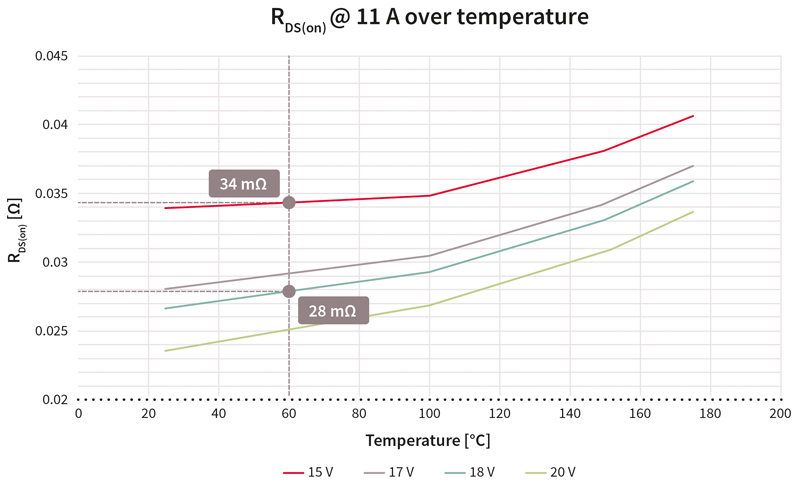
    Figure 1: RDS(on) comparison for a CoolSiC device using various gate drive voltages at different temperatures

    Switch mode power supplies (SMPS) have continued to improve in the overall efficiencies that are attainable when using classic silicon (Si) MOSFET technology. This has been achieved by pushing the boundaries with new silicon fabrication processes, design methodologies, and using these devices in innovative new to
    . . . Learn More
    Date:
    03/02/2020
    SiC MOSFET Gate-Driver Design for Efficiency and Reliability

    Click image to enlarge

    Figure 1. A large driver source current is needed to charge gate capacitances quickly. Source: ON Semiconductor TND6237/D
    Silicon carbide power MOSFETs are moving closer to approximate price parity with conventional silicon MOSFETs or IGBTs. Their key advantages are lower RDS(ON) and reduced switching losses, breakdown voltages comparable to IGBTs, and greater temperature capability. These give designers of power-conversion systems su
    . . . Learn More
    Date:
    03/02/2020
    Testing GaN Devices to Failure

    Click image to enlarge

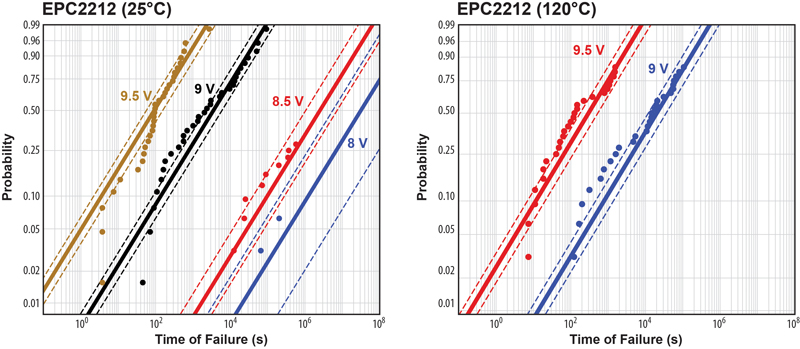
    Figure 1: Weibull plots of gate-to-source failures of EPC2212. Note that very few failures occur even at 8 VGS , yet the device has a maximum VGS rating of 6 V. The data on the left is at 25oC and the data on the right is at 120oC
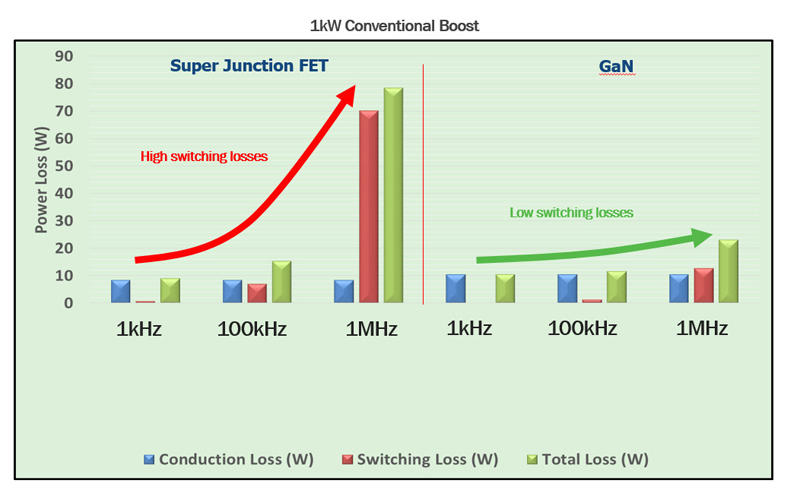
    Standard qualification testing for semiconductors typically involves stressing devices at-or-near the limits specified in their data sheets for a prolonged period of time, or for a certain number of cycles.  The goal of qualification testing is to have zero failures out of a relatively large group of parts te
    . . . Learn More
    Date:
    03/02/2020
    GaN Takes the Baton from Silicon to Support High Efficiency

    Click image to enlarge

    Figure 1: GaN optimized for fast switching
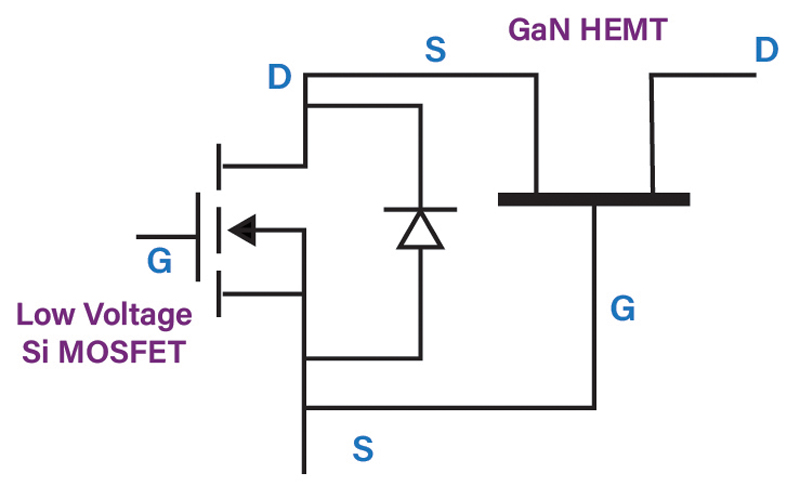
    As silicon-based technology approaches its evolutionary limits, design engineers are now looking to wide bandgap technologies such as gallium nitride (GaN) to provide a solution. Unusually for a new technology, GaN is inherently lower cost than the technology it will supercede, namely silicon. GaN devices a
    . . . Learn More
    Date:
    03/02/2020
    GaN Type Determines Design Benefits

    Click image to enlarge

    Figure 1: Two-chip normally-off high voltage GaN FET
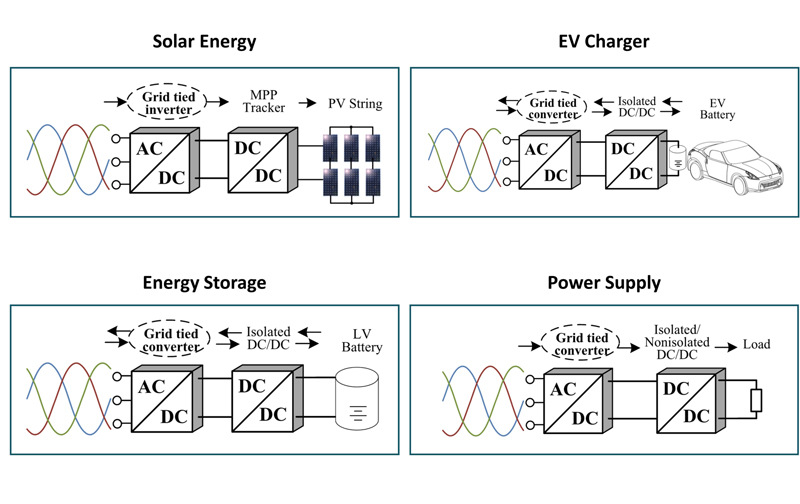
    Two-chip normally-off Gallium Nitride (GaN) FETs are currently used in in-production power systems in various markets ranging from Consumer Adapters, PC Gaming to Broad Industrial. Within these applications, the GaN devices regularly demonstrate the end-to-end benefits expected from GaN, including increased ef
    . . . Learn More
    Date:
    03/02/2020
    Enabling High-Density Multi-Kilowatt Grid Converters w/ GaN

    Click image to enlarge

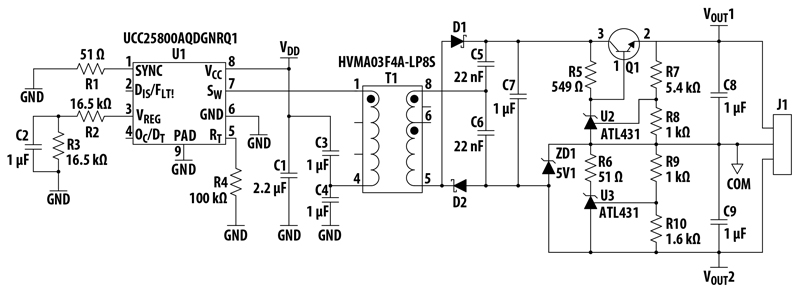
    Figure 1: Examples of grid-tied converters

    Grid converters manage the flow of power between the electric grid and loads, as well as energy storage and generation sources. Their efficient operation and physical size have become more important recently for a couple of reasons. First, any inefficiency has a direct impact on operating costs, as well as cooling an
    . . . Learn More
    Date:
    03/02/2020
    Follow the Yellow SiC Road
    Growth in electric vehicle adoption is now exponential. According to the International Energy Agency ‘Global EV Outlook 2019’ document, there were over 5 million electric passenger cars on the roads in 2018, up 63% from 2017, with the figure set to reach 250 million in just ten years. This is in the EV30@30 sc
    . . . Learn More
    Date:
    03/02/2020
    Half Bridge, Gate Driver Measurements for Wide Bandgap

    Click image to enlarge

    Figure 1. The half-bridge circuit is widely used to convert electrical energy efficiently in modern designs
    The faster switching transitions on modern wide bandgap power devices (SiC, GaN) have made measuring and characterizing a considerable challenge, and in some cases, nearly impossible. That is changing with new isolated probing technologies that are allowing designers to at long last confidently measure half br
    . . . Learn More
    Date:
    03/02/2020
    Archive

    Transformer Design Comparisons for Mitigating EMI in Gate Driver Circuits

    Mar 29,2026
    Matthew Russell, Master’s student at University College Cork, and a student engineer at Bourns Electronics Ireland

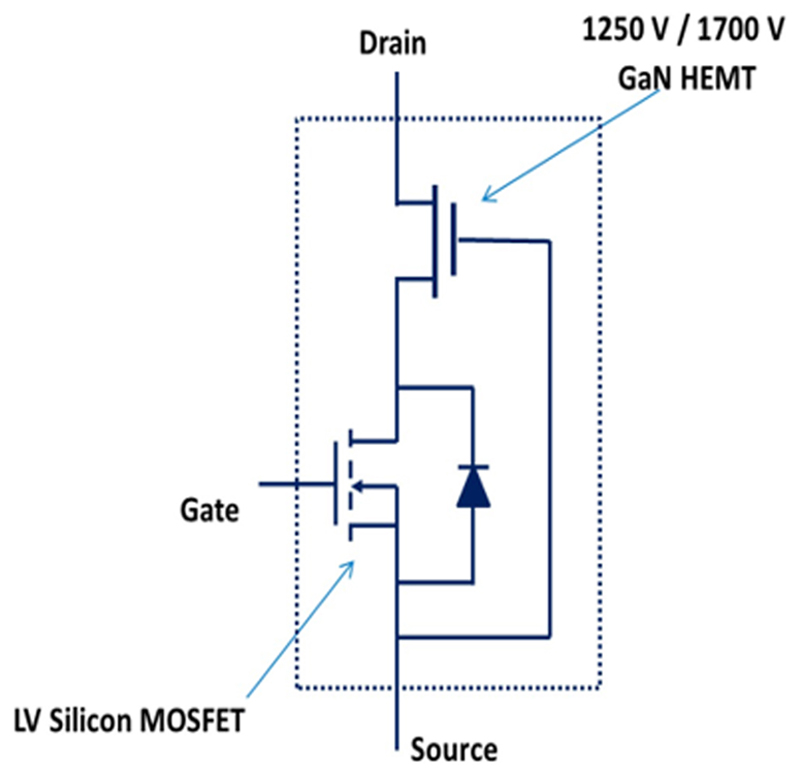
    1250 V/1700 V GaN HEMTs for NVIDIA 800 VDC Architecture

    Jan 31,2026
    Kamal Varadarajan & Chris Lee, Power Integrations

    Future-Proof Automotive High-Voltage-to-SELV Conversion

    Dec 30,2025
    Greg Green, Director of Automotive Marketing, Vicor

    Power Systems Design

    146 Charles Street
    Annapolis, Maryland 21401 USA

    Power Systems Design

    Power Systems Design is a leading global media platform serving the power electronics design engineering community. It delivers in-depth technical content, industry news, and product insights to engineers and decision-makers developing advanced power systems and technologies.

    Published 12× per year across North America and Europe, Power Systems Design is distributed through online and fully digital editions, complemented by eNewsletters, webinars, and multimedia content. The platform covers key areas including power conversion, semiconductors, renewable energy, automotive electrification, AI power systems, and industrial applications—supporting innovation across the global electronics industry.